Why Filter Bags Fail Early in Cement Kiln Baghouses
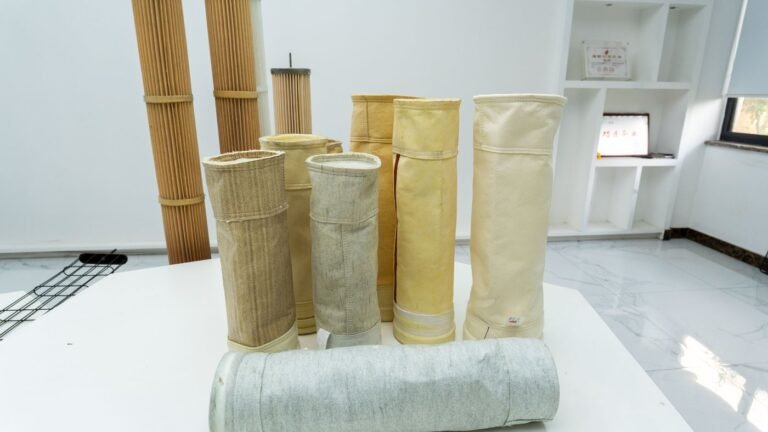
A cement kiln filter bag failure needs two lines of evidence: the condition of the removed bag and the kiln-gas history before the damage appeared. Record both before selecting another material. This helps separate an unsuitable specification from a process upset or mechanical problem.
This page is a first inspection guide. For alkali–sulfur conditions, dew-point risk and material-direction review, use the detailed cement kiln baghouse filter bags guide.
Cement kiln filter bag failure: separate symptom from cause
| What you see | First evidence to collect | Where to continue |
|---|---|---|
| Hard, brittle or chemically aged fabric | Temperature record, shutdown/start-up history, dust deposits and available gas-condition data. | Kiln chemistry and dew-point review |
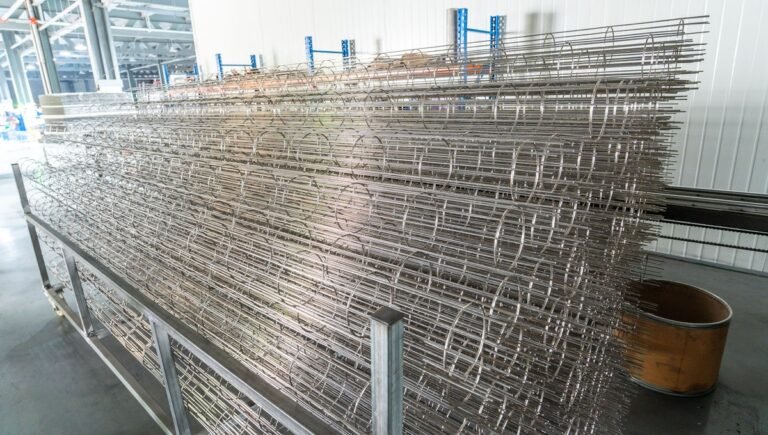
| Holes or wear along contact points | Cage photos, damage height, bag/cage dimensions and pulse-cleaning history. | Wear-pattern diagnosis |
| High pressure drop or heavy coating | Pressure-drop trend, cleaning settings, dust description and operating events. | Blinding and hard-cake guide |
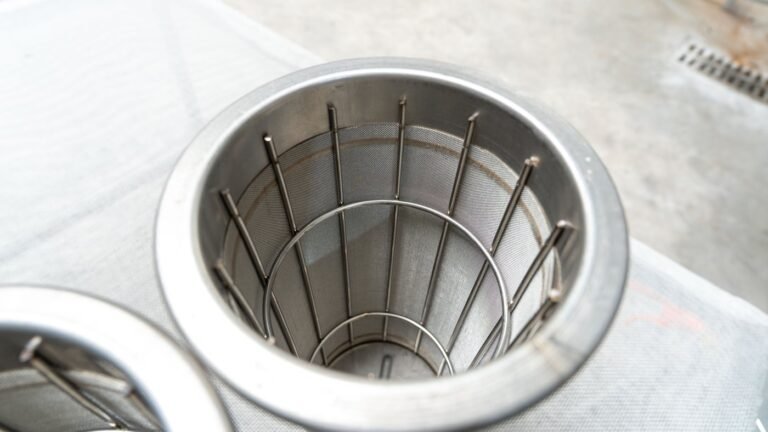
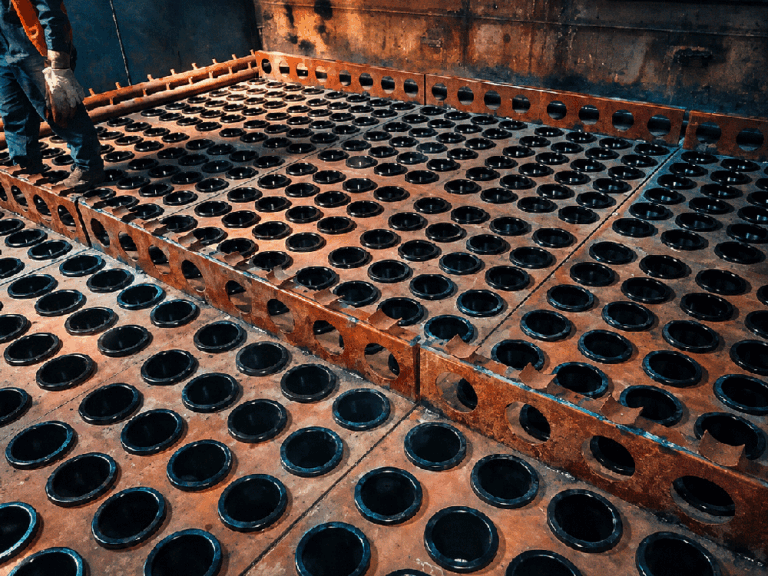
| Leakage around the bag mouth | Top construction, tube-sheet condition and the affected compartment. | Replacement construction checklist |
Record These Before the Next Outage
- Representative bag and cage photos, identified by compartment or position.
- Current bag specification and service history, if available.
- Normal and peak temperature data, including start-up, shutdown and upset periods.
- Dust observations, known moisture events and available gas-condition information.
- Collector cleaning method, pressure-drop trend and the timing of the problem.
Boundary: a visual failure pattern can direct an inspection, but it does not on its own establish chemical compatibility or a final media specification.
For a cement-kiln replacement review, start with the Baghouse fit, cage and construction review. If the cause is still uncertain, submit the field evidence and operating record through the conditions-review form.
Next step
Check the baghouse before changing bags
Cage fit, cleaning method, tube-sheet condition or repeated damage may affect the replacement result. Review the baghouse system first.