When Filter Bags Keep Failing in the Same Place: Build a Position Map
Most baghouse maintenance records answer one question: How many filter bags did we replace? That is useful for planning. But when failures return, a more important question is often missing: Where did those bags come from?
A replacement total treats every damaged bag as an isolated event. A position map preserves the pattern. It shows whether the next failure is new, whether it returned to the same row, or whether several nearby positions are beginning to tell the same story.
The bag count measures the workload. The position history helps decide where to investigate next.
THE MISSED CLUE
What the replacement total leaves out
“Eighteen bags replaced” is a clear maintenance summary. It tells purchasing what was consumed and management how much work was completed. It does not show whether sixteen of those bags came from one side of a compartment, whether the same position failed during the previous shutdown, or whether the damage appeared beside the same support level.
A count tells you
How many bags, cages or related components were repaired or replaced during the job.
A position map adds
The chamber, row and exact location—so the next inspection can look for repeats, clusters and changes over time.
This is why a filter-bag installation and maintenance guide in our technical archive recommends preparing a layout of the bag positions and marking repairs and replacements on it. The map is not a diagnosis. It is a way to stop losing location evidence at the end of each shutdown.
A PRACTICAL RECORD
Build a map crews will actually use
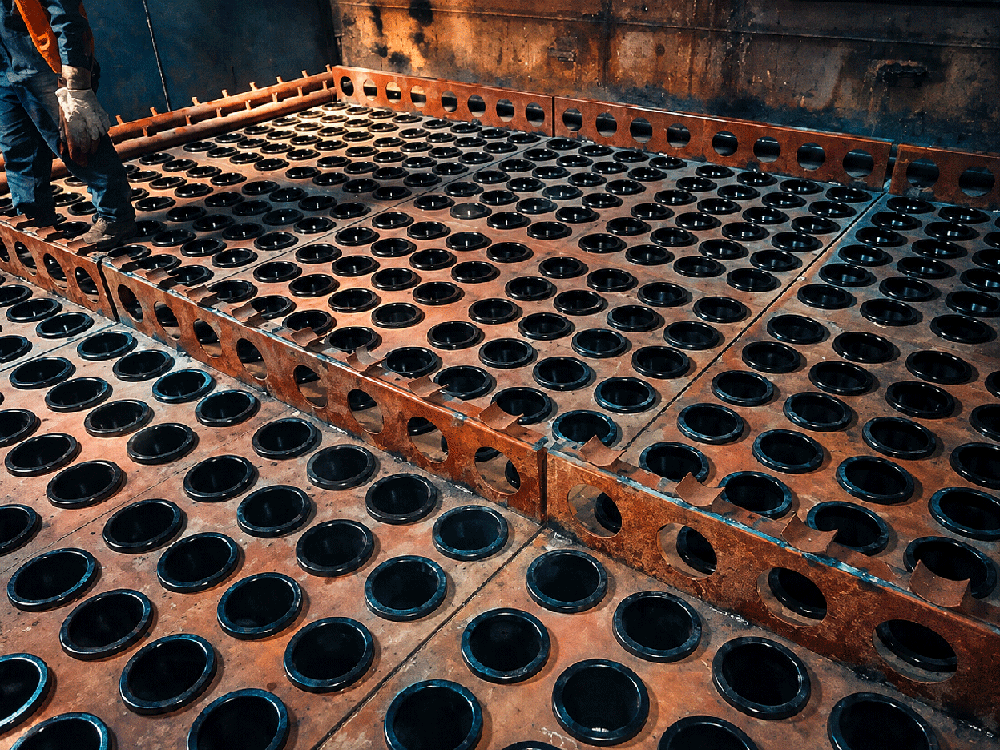
The best map is not the most sophisticated one. It is the one that technicians can understand, update and bring back to the next inspection. Start with the collector’s own tube-sheet or bag layout and use one stable naming system.
Name the location
Identify the compartment, row and bag position. Keep the same position ID in every inspection record.
Record what was seen
Write a short observation and take one close-up plus one wider photograph that shows the location.
Record the action
Note whether the bag, cage or nearby structure was inspected, repaired or replaced—and on what date.
A spreadsheet can work. So can a printed tube-sheet drawing marked during the shutdown and transferred into the maintenance file afterward. The format matters less than consistency. “Row 4, bag 17” only becomes useful if Row 4 and bag 17 mean the same thing next time.
| Position ID | Observed condition | Related evidence | Action | Follow-up |
|---|---|---|---|---|
| C2–R4–B17 | Abrasion line on lower third | Polished cage wire at similar height | Bag replaced; cage held for inspection | Recheck clearance at next shutdown |
| C2–R4–B18 | No visible bag damage | Nearby support edge checked | No replacement | Use as adjacent comparison point |
| C3–R1–B06 | Localized dust trace near top seal | Seating area photographed | Seal and fit inspected | Confirm after restart inspection |
The entries above show a useful record format; they are examples, not a diagnosis of a specific collector.
EVIDENCE FIRST
Separate evidence from diagnosis
A position map becomes much more valuable when it records what the crew actually observed before it records what anyone thinks caused it. Otherwise, an early assumption can be copied from report to report until it looks like a confirmed conclusion.
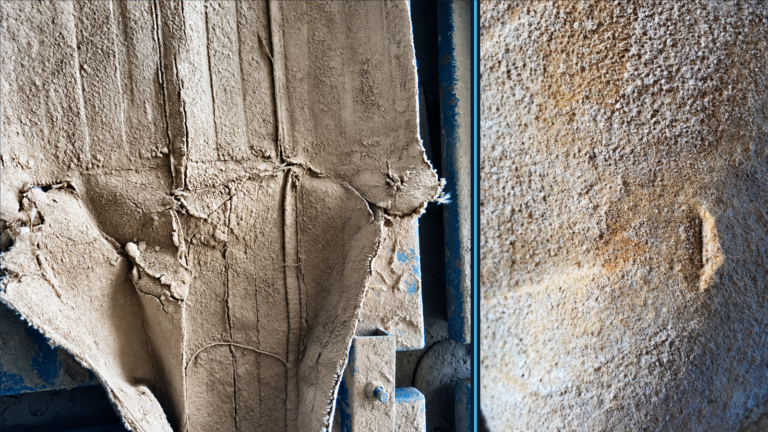
“A narrow abrasion line is visible on the lower third of the bag. The corresponding cage wire is polished at approximately the same height.”
“Check for bag-to-cage contact, local clearance and nearby structural contact. Confirm on the equipment before changing the bag specification.”
This distinction protects the maintenance history. A damaged bag may point toward contact, fit, airflow, cleaning alignment, process conditions or a combination of factors. The map narrows the next inspection area; it does not replace the inspection.
READING THE PATTERN
Four patterns worth following
Once several inspections use the same coordinates, the location history can reveal patterns that a bag count cannot. Treat each pattern as a reason to inspect—not as proof of one root cause.
1. The same position fails again
Look closely at local clearance, the cage, the tube-sheet opening and any nearby support or edge before changing the media for the whole collector.
2. Failures cluster along one side
Compare the cluster with the collector layout, inlet side, structural arrangement and cleaning hardware. Ask what those positions share.
3. Similar damage appears across a compartment
A wider pattern may justify reviewing common operating conditions, cleaning behavior, installation practice or material compatibility.
4. Isolated failures move around
Check whether the events share bag age, installation date, batch, construction or maintenance history—even when the locations do not repeat.
Position is one layer of evidence. Bag age, media construction, process changes, differential-pressure history and unusual cleaning events add the time and operating context needed to interpret it.
NEXT SHUTDOWN
Use the map during the next shutdown
Bring the history back to the equipment
- Mark repeat positions and unresolved observations before access begins.
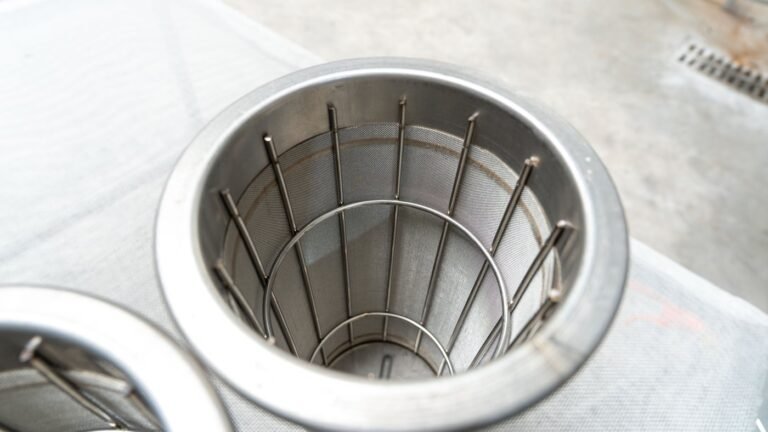
- Inspect the damaged bag together with its cage, tube-sheet opening and nearby structure.
- Take both close-up and location photographs using the same position ID.
- Record “no defect found” where relevant; comparison points matter.
- Update the action taken, replacement date and items requiring follow-up.
- After restart, compare maintenance findings with the operating data available to the plant.
The result is a simple feedback loop: inspect, locate, record, compare and verify. Over several shutdowns, this can turn a list of replacements into a working history of the collector.
FROM RECORD TO ACTION
Turn a maintenance record into a decision tool
A position map will not solve a baghouse problem on its own. Its value is that it changes the next conversation. Instead of asking only, “How many bags failed?”, the team can ask, “What do these positions have in common, what changed after the last repair, and what should we inspect before ordering the next set?”
That difference can prevent two common mistakes: changing every bag specification to solve a local mechanical issue, or treating a widespread operating pattern as a handful of unrelated bag failures.
Planning a filter-bag replacement?
Send the bag drawing or sample details, operating conditions, failure photographs and—if available—the position history. Pinnacle Filter can review the finished bag construction and replacement requirements before quotation.
Technical basis: an anonymized filter-bag installation and maintenance guide in the supplied product-material archive recommends recording repairs and replacements on a bag-position layout. The troubleshooting framework above is practical analysis. Confirm any suspected cause on the specific collector and follow the plant’s safe-access procedures and equipment guidance.