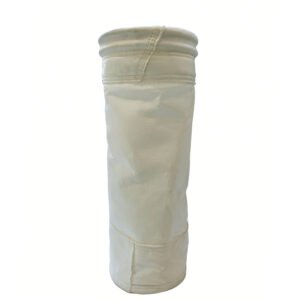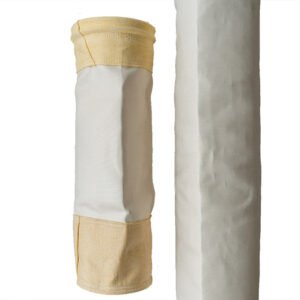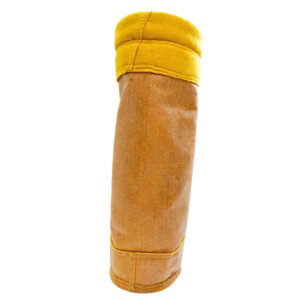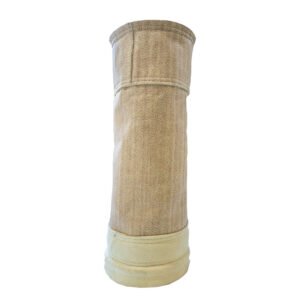
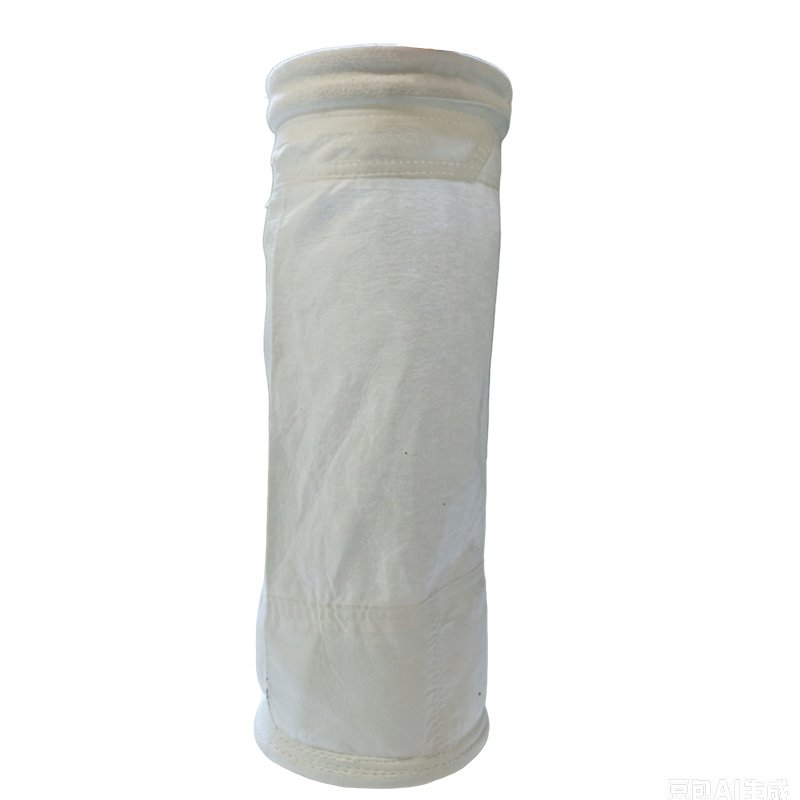
PTFE Filter Bag
PTFE filter bags are selected for corrosive gas, waste incineration and difficult emission-control projects where chemical resistance and dust release are more important than initial cost.
- Common use: waste incineration, chemical gas, corrosive dust and strict emission projects
- Core value: chemical resistance, surface filtration, stable emissions and long service life
- Quote basis: gas chemistry, temperature, dust behavior, bag size and cleaning method
Description
Severe corrosion and chemical resistance
PTFE Filter Bags for Harsh Chemical Gas and Corrosive Dust
Pinnacle supplies custom PTFE filter bags for industrial dust collectors handling corrosive gas and difficult chemical dust. Confirm the base media, membrane requirement, bag dimensions and operating conditions before requesting a quotation.
PRODUCTION AND QUALITY CONTROL
How Pinnacle Controls Custom PTFE Filter Bag Orders
For custom PTFE Filter Bag orders, Pinnacle Filter checks more than the material name. The finished bag must match the dust collector size, cage condition, top construction, temperature and dust behavior. The following production and inspection points help buyers review PTFE felt and membrane media before shipment.
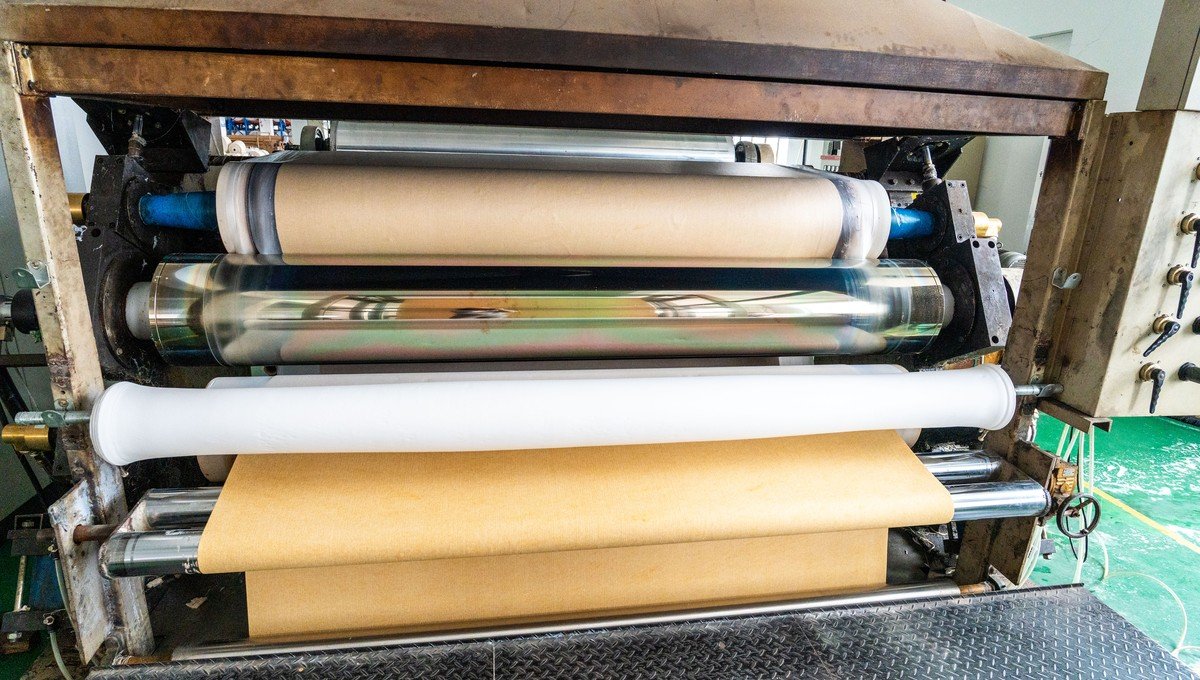
PTFE media finishing review
For PTFE orders, the finishing stage focuses on roll consistency, calendered surface condition and any membrane-lamination requirement. The agreed weight, thickness, air permeability and surface specification are confirmed before cutting and sewing.
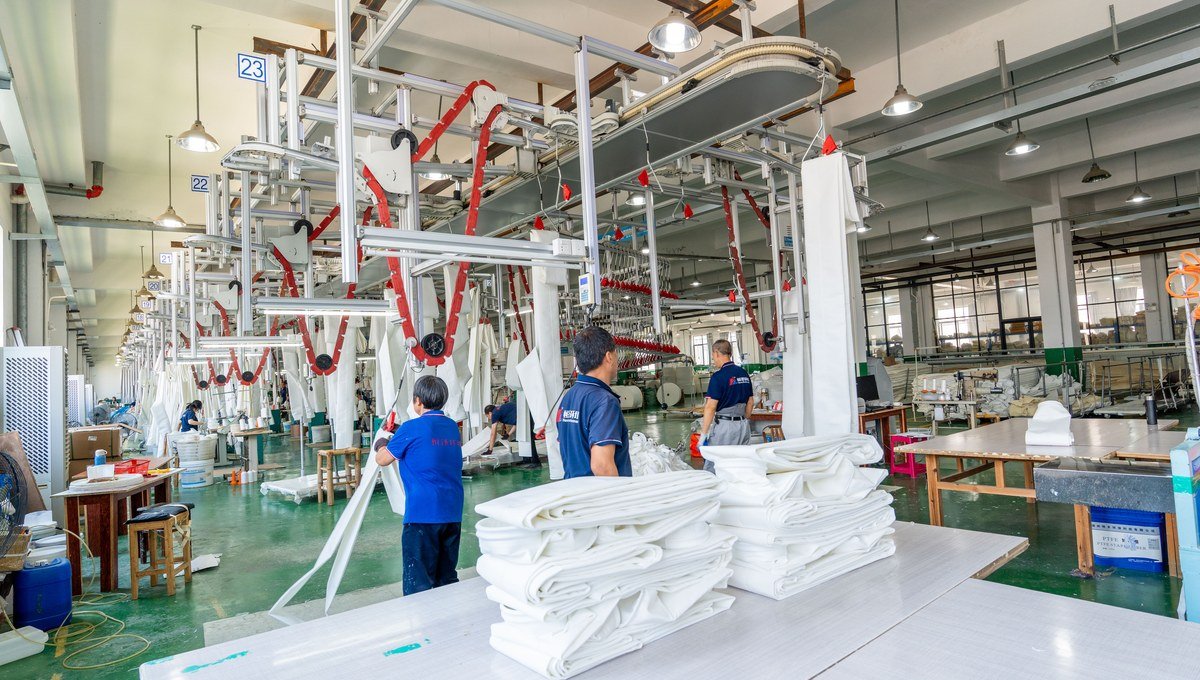
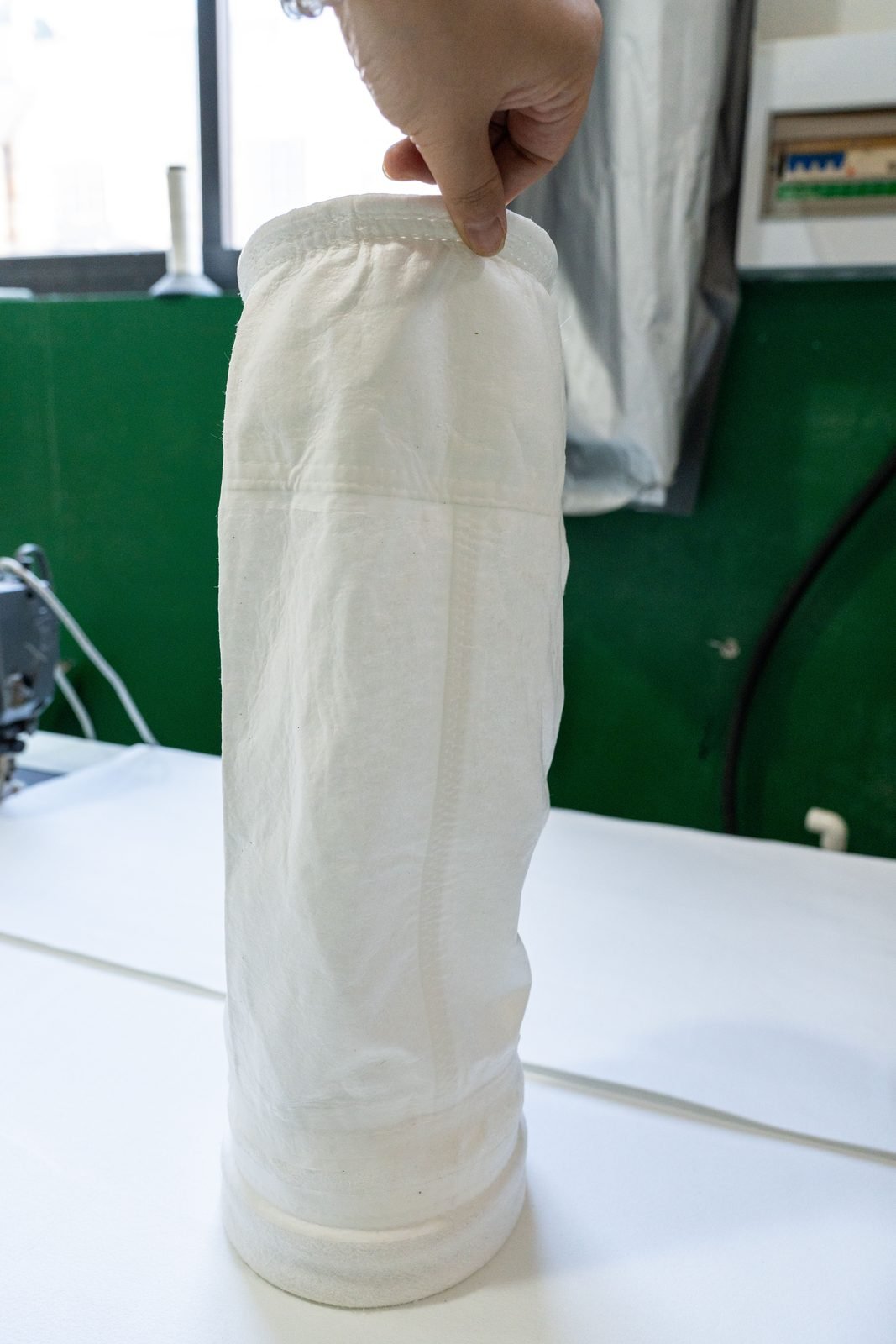
Bag sewing workshop
PTFE-compatible sewing thread, seam layout, cuff construction and bottom reinforcement are selected for the order. Controlled handling helps keep the media clean and prevents avoidable surface damage during fabrication.
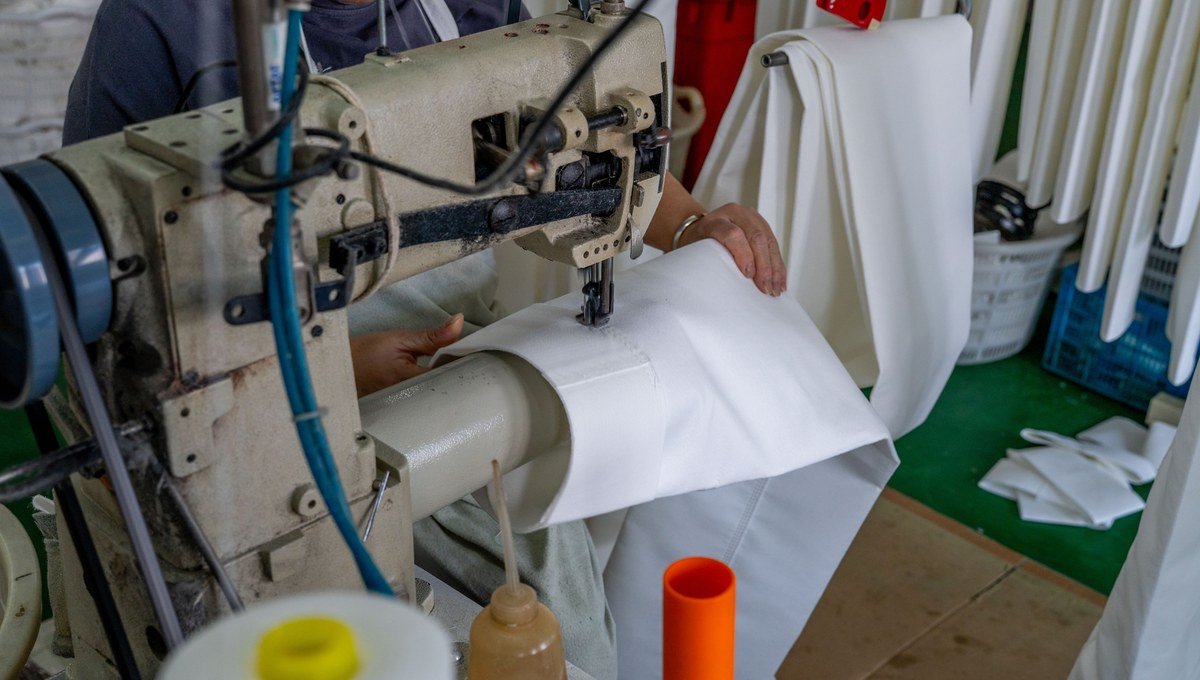
Seam and construction detail
Seam spacing, stitch consistency and reinforcement at the cuff and bottom are checked because leakage paths or local stress can undermine the chemical and temperature advantages of PTFE media.
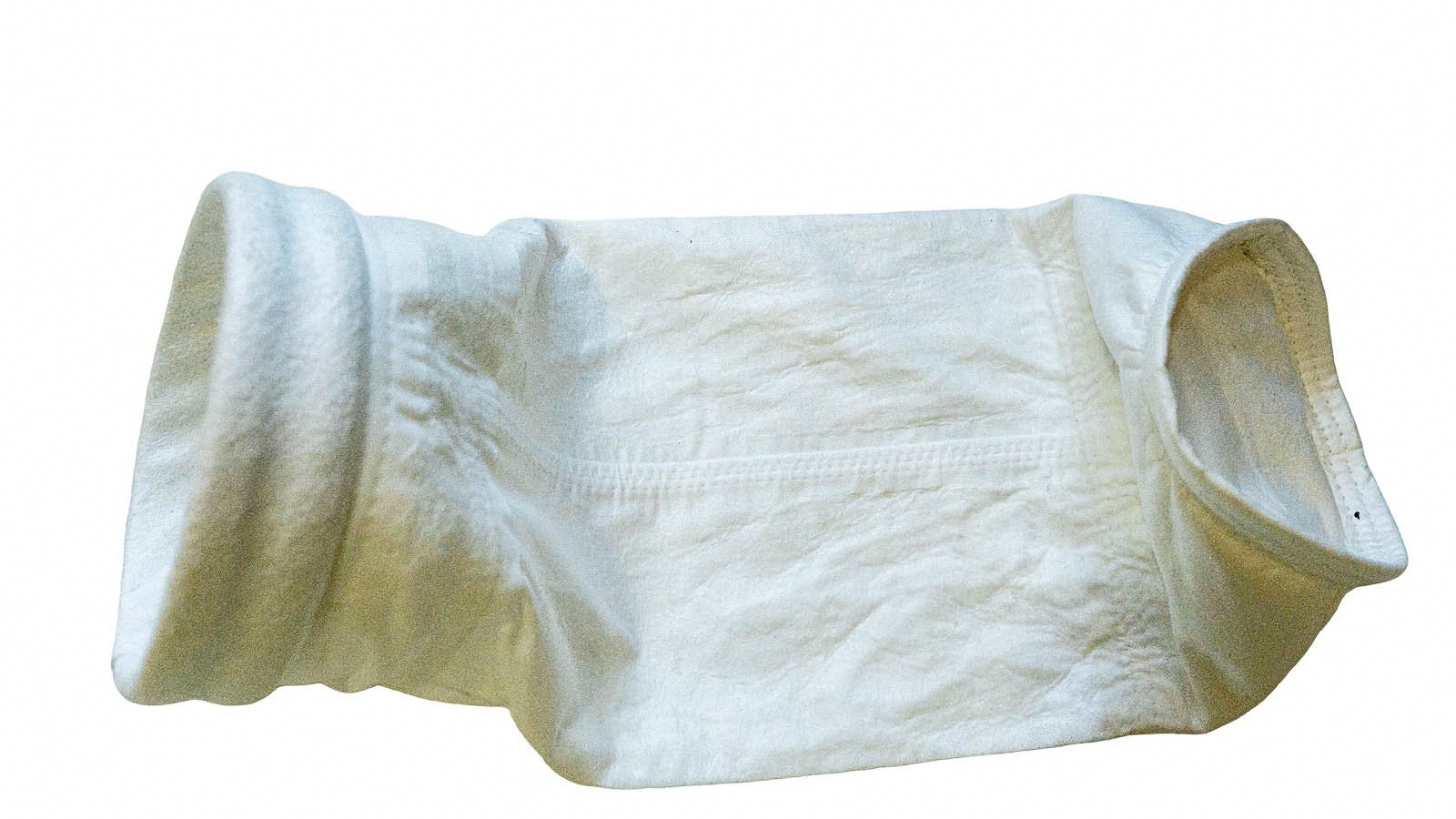
Construction and size review
Finished diameter, length, cuff fit, bottom style and cage clearance are verified before packing. Accurate fit reduces abrasion and prevents installation problems in demanding corrosive or high-temperature service.
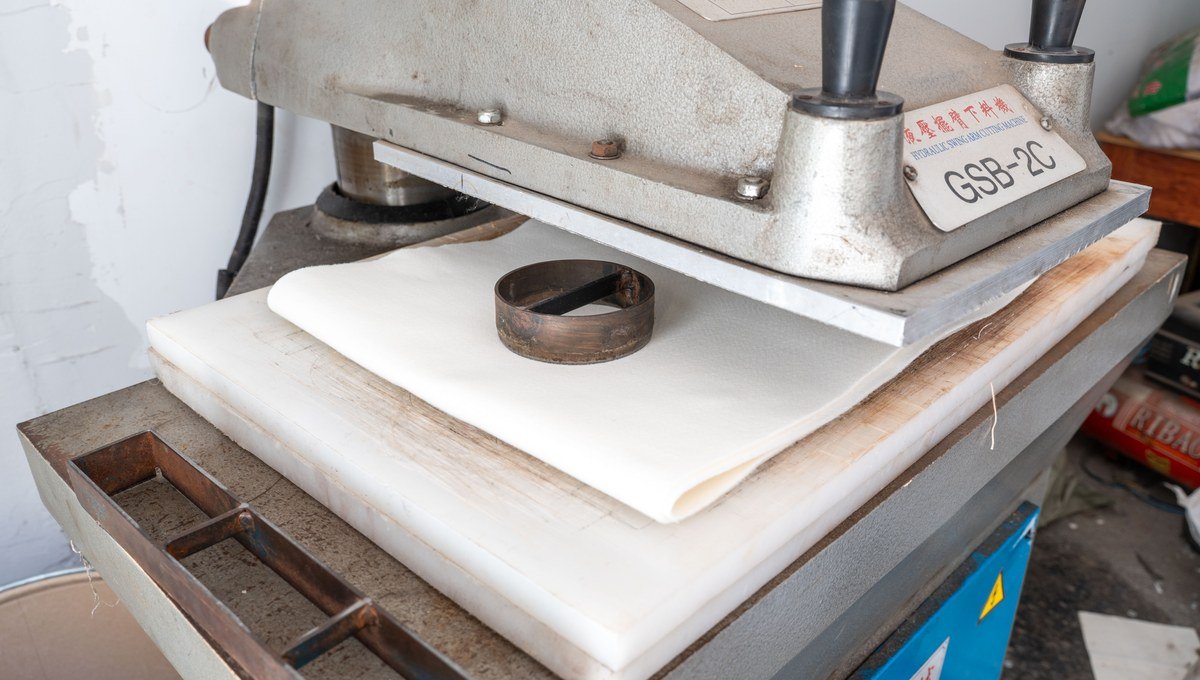
Material testing
Typical checks include weight, thickness, tensile strength and air permeability. For laminated media, the membrane surface and bond condition are also reviewed according to the agreed specification.
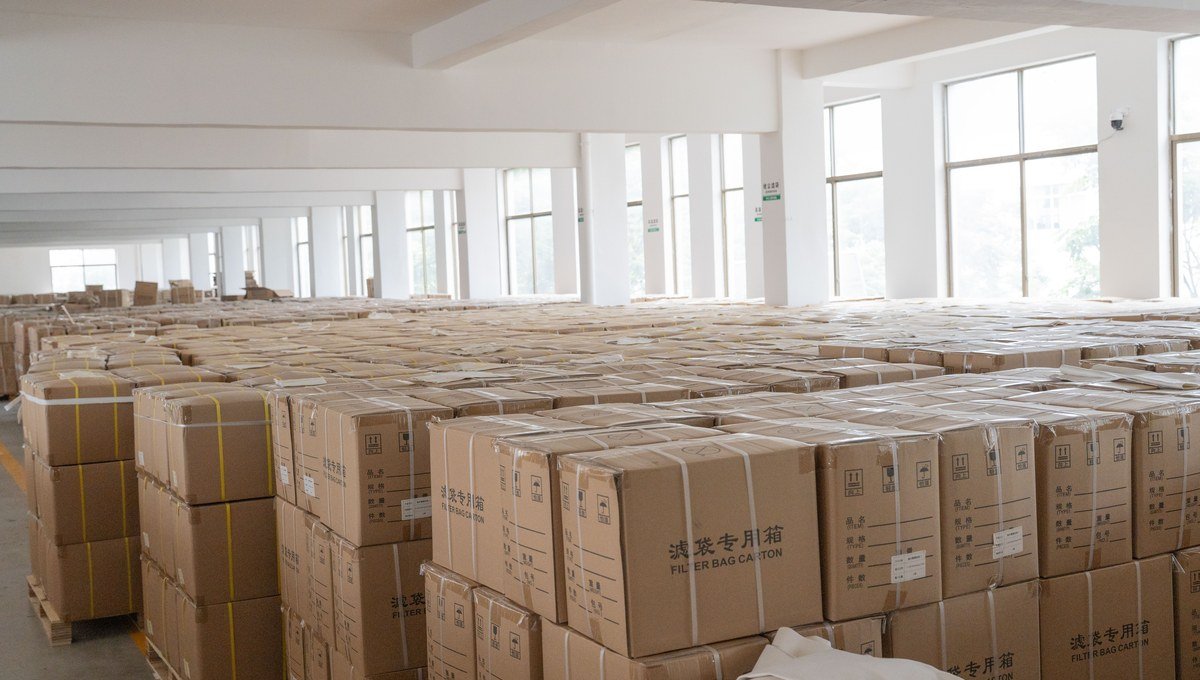
Packing and delivery
Finished bags are kept clean, packed by size and quantity, and protected from sharp folds or heavy compression. This is especially important when a PTFE membrane surface must arrive without avoidable creasing or damage.
Cost risk logic
When PTFE Cost Is Justified
Use PTFE when chemical attack, sticky dust or frequent bag failure makes lower-cost bags risky. The real target is fewer emergency shutdowns, more stable emissions and less replacement labor.
Do not choose by material name alone
Check the Whole System First
Harsh filtration scenarios
Applications Where PTFE Is Often Considered
Waste incineration
Complex acid gas and fine dust require chemical resistance.
Chemical processing
Corrosive gas streams can quickly age ordinary media.
Sticky dust
Surface filtration can reduce deep dust penetration.
Strict emission target
PTFE can be justified when emission stability is the main value.
Buyer comparison
PTFE Versus Nearby Options
| Option | When it may be better |
|---|---|
| PPS | When moisture and acid gas exist but PTFE cost is not justified. |
| P84 | When fine dust capture is the main target rather than chemical resistance. |
| Fiberglass | For high-temperature dimensional stability, often with membrane or acid treatment. |
| PTFE | When corrosion, chemical attack or repeated failure is the central problem. |
Technical selection guide
PTFE Filter Bag Specifications, Applications and Selection Notes
PTFE filter bags are premium chemical-resistant bags for corrosive gas, waste incineration and severe chemical dust. The reason to choose PTFE is not simply a higher material name, but the need to reduce failure risk, emergency shutdown and unstable emissions.
| Media direction | Specify the base media and membrane separately: the reference construction below uses 100% PTFE fiber with PTFE scrim. Confirm whether a PTFE membrane is also required. |
|---|---|
| Gas condition | Corrosive gas, chemical vapor, acid/alkali exposure, sticky dust or severe process dust. |
| Core benefits | Chemical resistance, surface filtration, stable emissions and longer service-life target. |
| Custom construction | Top style, bottom design, seam, reinforcement and size made to existing collector. |
Where This PTFE Filter Bag Is Commonly Used
Waste incineration
Complex acid gas and fine dust may justify PTFE.
Chemical processing
Corrosive gas streams can age ordinary media quickly.
Battery / specialty powder
Severe or high-value dust systems may require premium media.
Strict emission projects
PTFE is reviewed when stability is more important than lowest bag cost.
Operating Boundaries to Check
- Cost-sensitive normal dust: Polyester, acrylic or PPS may be more practical.
- Fine dust but limited corrosion: P84 or membrane-coated media may be compared.
- High heat dimensional stability: Fiberglass may be reviewed together.
- Poor cage condition: Even PTFE can fail early if cages are rough or bent.
Common Failure Causes
- Early rupture: Check cage abrasion, installation and pulse pressure.
- Chemical attack continues: Gas chemistry may exceed expected condition or wrong media construction was selected.
- High pressure drop: Sticky dust and cleaning condition need review.
- Leakage after replacement: Top fit, tube sheet and sealing condition should be checked.
Selection Advice from Pinnacle Filter
PTFE is justified when the cost of frequent failure is higher than the cost of premium media. Send gas chemistry, temperature, dust behavior, emission target and photos of failed bags so Pinnacle can compare PTFE with PPS, P84 or fiberglass.
Related product pages and next steps
Pinnacle Filter Support
Check Whether PTFE Is the Right Investment
Send gas chemistry, temperature, emission target, current bag life and current bag photos. Pinnacle can compare PTFE with PPS, P84 or fiberglass before quotation.
Fast RFQ checklist
Technical Reference
Typical PTFE Filter Bag Specification
Use this table as a reference for initial material review. Final weight, thickness, finishing, top construction and bag size can be customized according to the dust collector design and operating conditions.
| Item | Typical Value |
|---|---|
| Fiber material | 100% PTFE |
| Scrim material | PTFE multifilament |
| Thickness | 1.5 mm |
| Weight | 650 g/m2 |
| Air permeability | 60 L/(dm2*min) |
| Tensile strength | Warp >=700 N; weft >=600 N |
| Break elongation | Warp <10%; weft <10% |
| Working temperature | Continuous 240°C; peak 260°C |
| Finishing options | Heat setting, calendering, singeing, PTFE coating, water and oil repellent, PTFE membrane |
Buyer Questions
FAQ
Is PTFE always the best material?
No. It is excellent for chemical resistance, but selection still depends on temperature, dust, moisture, oxygen, budget and service target.
Can PTFE bags be custom sewn?
Yes. Top style, bottom style, seam, reinforcement and size can be customized.
What details are needed for a custom PTFE filter bag quote?
Gas chemistry, temperature, dust type, emission requirement, bag size, quantity and photos of failed bags if available.
Related Technical Guides
Helpful Reading Before Selecting Filter Bags