Filter fabrics and rolls
Filter Fabrics for Dust Collector Bags
Selecting the fabric before bag construction helps avoid the common mismatch between temperature, dust behavior, gas chemistry and cleaning method.
Pinnacle can review filter fabric direction, surface finish and bag sewing requirements together, so the finished filter bag matches the real baghouse condition.
Material range
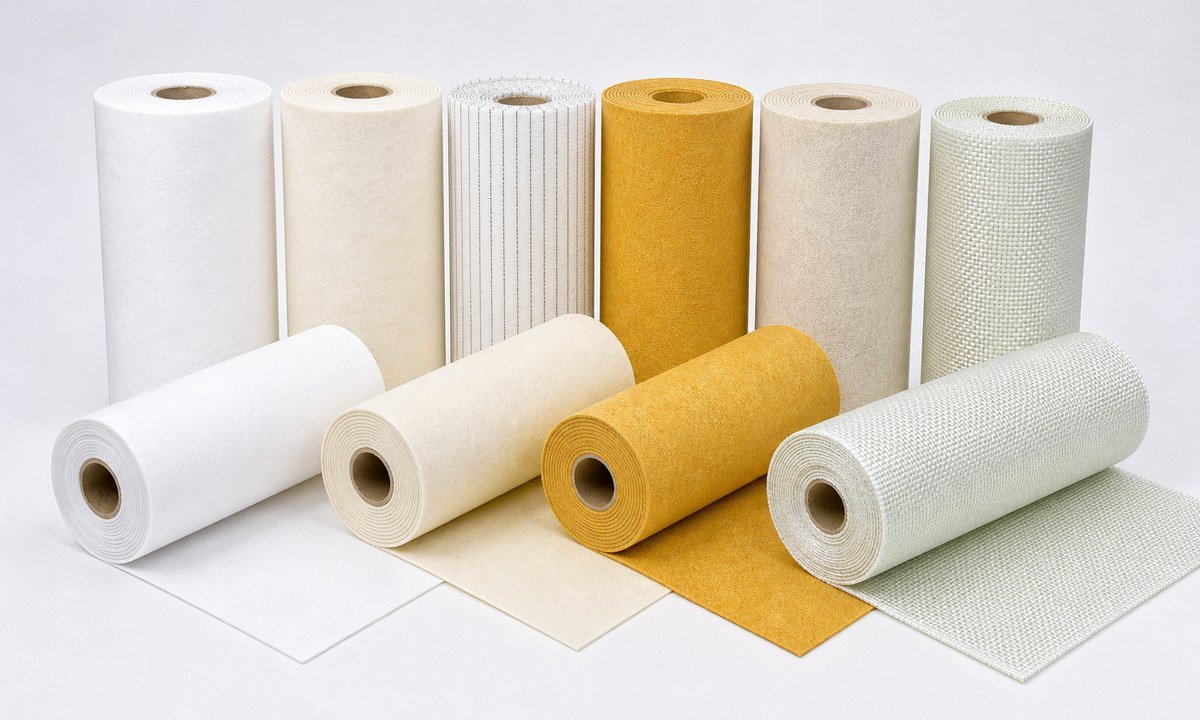
Common Filter Fabric Directions
The fabric is selected first, then the bag diameter, length, top style, bottom construction and cage fit are confirmed for production.
Polyester needle felt
Economical media for dry, normal-temperature pulse-jet collectors.
View matching filter bag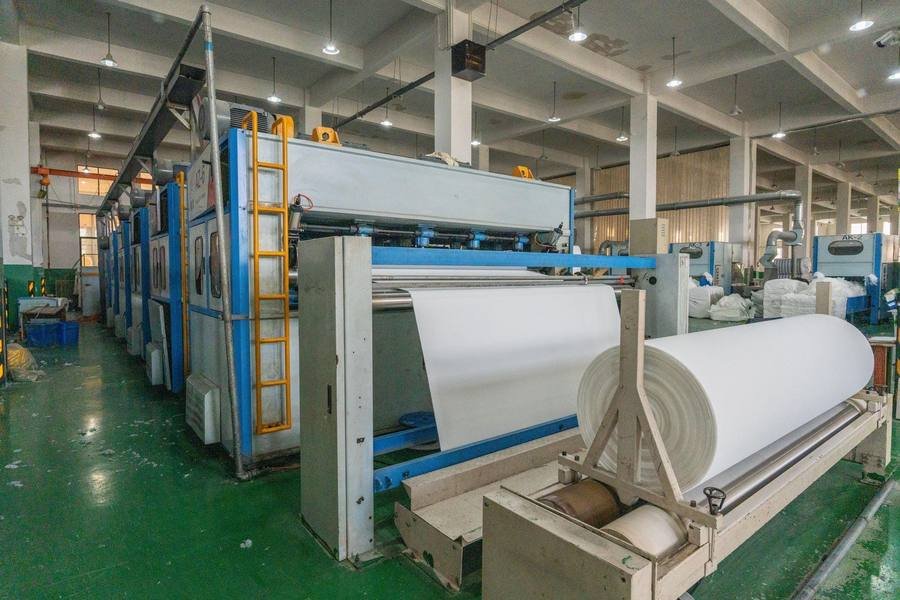
Acrylic needle felt
Moderate-temperature media for dry dust where hydrolysis risk is limited.
View matching filter bag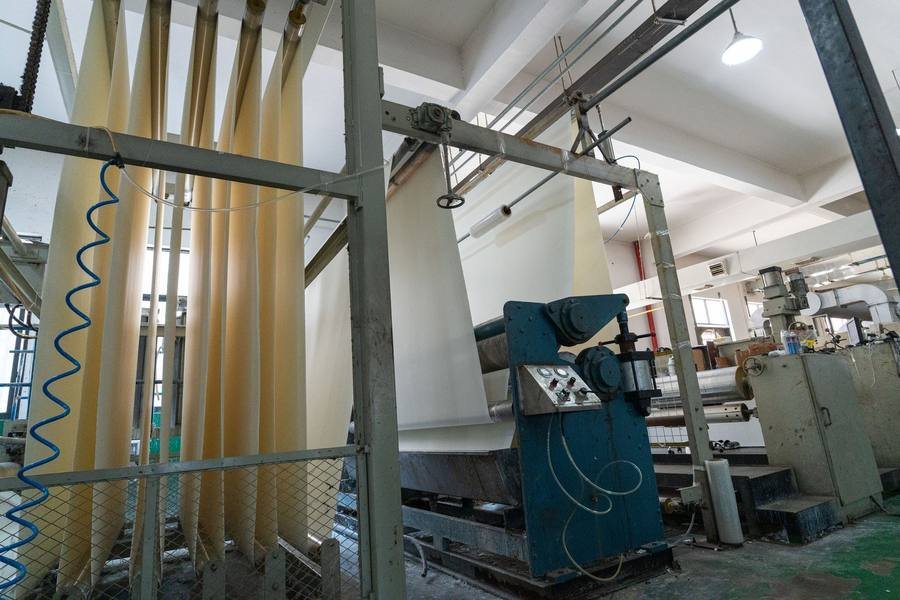
PPS needle felt
Reviewed for moisture, acid gas and coal-boiler type conditions.
View matching filter bag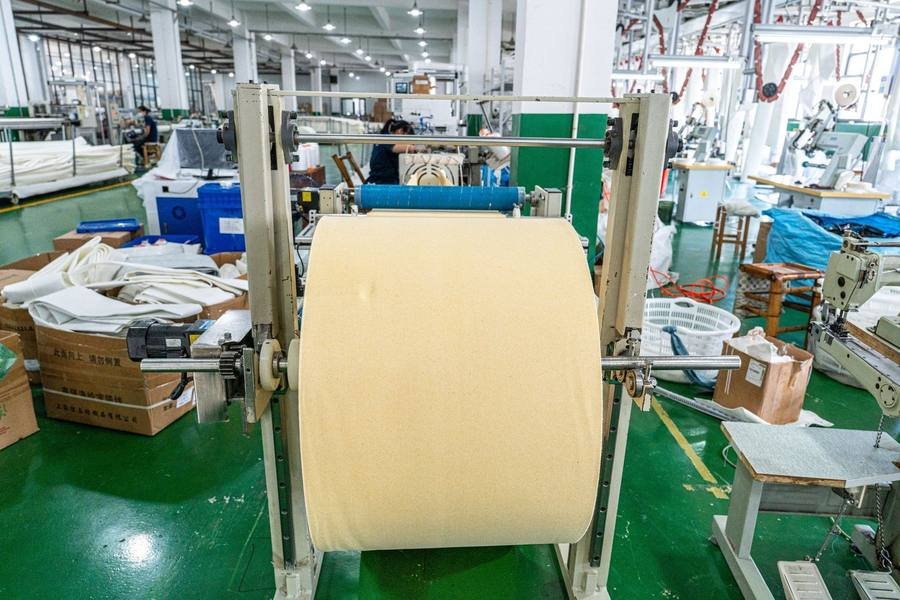
Aramid / Nomex felt
Hot-gas media often used when polyester is not stable enough.
View matching filter bag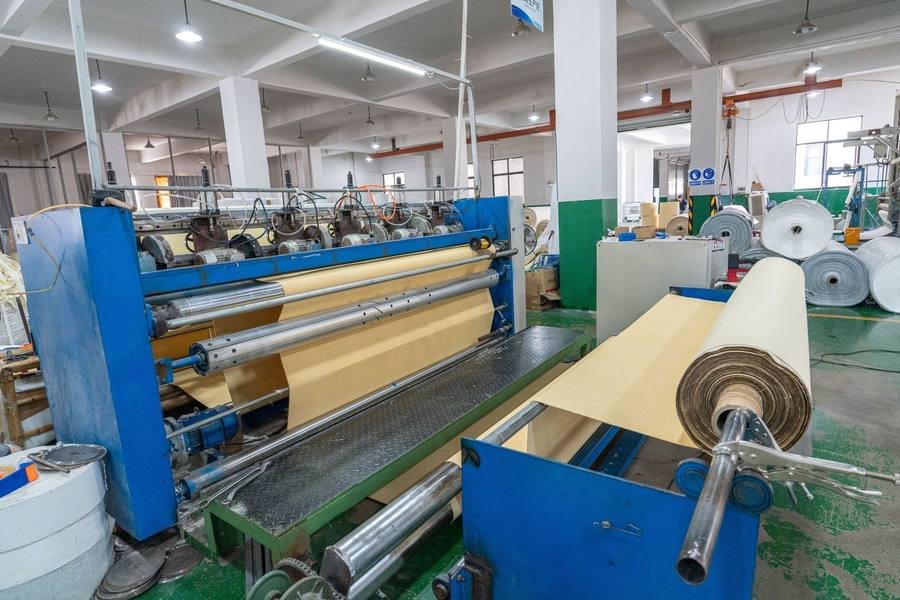
P84 / Polyimide felt
Fine-dust and low-emission direction for demanding filtration.
View matching filter bag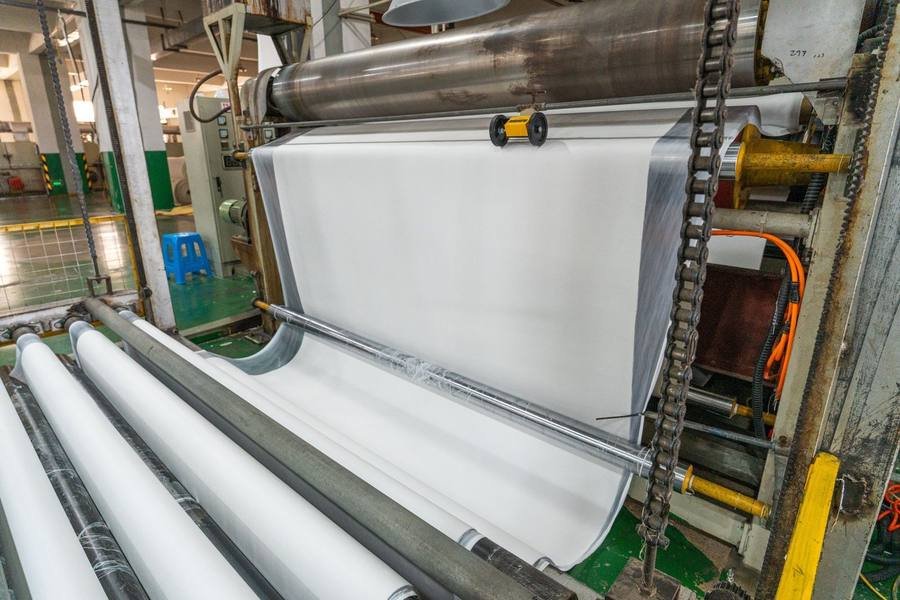
PTFE media and membrane
Chemical resistance and membrane direction for harsh gas or sticky dust.
View matching filter bag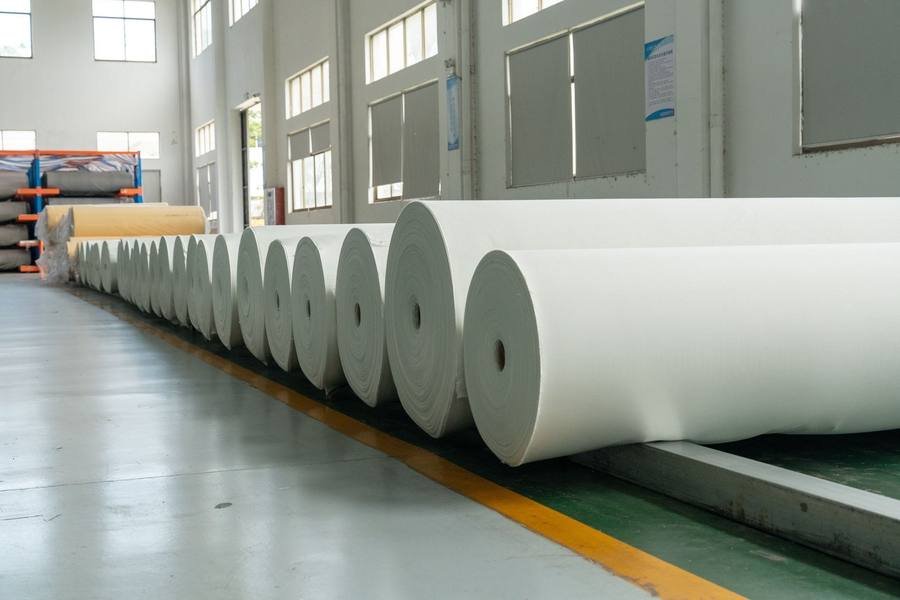
Fiberglass woven fabric
High-temperature woven media for cement, steel and heavy industrial dust.
View matching filter bag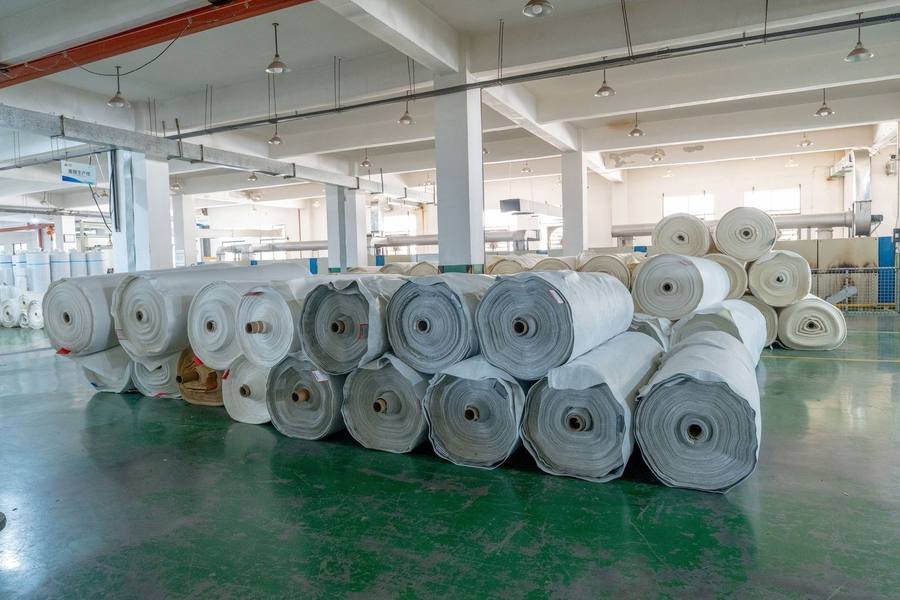
FMS composite media
Glass-fiber composite direction for mixed high-temperature duties.
View matching filter bagTechnical reference
Filter Fabric Technical Parameters
These values are starting points for material review. Final weight, thickness, air permeability and finish should be confirmed against the real dust collector condition, gas chemistry and cleaning method.
Normal temperature
Polyester and acrylic felt are reviewed for dry dust and standard pulse-jet replacement work.
Moisture or acid gas
PPS, PTFE and suitable finishes are reviewed when hydrolysis, acid condensation or corrosion risk is present.
High temperature
Aramid, P84, fiberglass, FMS and PTFE directions depend on continuous temperature, peak temperature and gas condition.
| Fabric direction | Typical weight | Thickness | Air permeability | Working temp | Tensile strength | Break elongation | Common review direction |
|---|---|---|---|---|---|---|---|
| Polyester needle felt | 450-600 g/m2 | 1.5-2.1 mm | 140-200 L/(dm2*min) | 130 C continuous / 150 C peak | MD >=1000 N; CD >=1200 N | MD <30%; CD <45% | General dry dust, economical replacement bags, optional membrane or water/oil repellent finish. |
| Acrylic needle felt | 500-600 g/m2 | 2.0-2.2 mm | 140-200 L/(dm2*min) | 140 C continuous / 160 C peak | MD >=800 N; CD >=1300 N | MD <30%; CD <30% | Moderate-temperature dry dust where hydrolysis risk is limited and polyester may not be enough. |
| PPS needle felt | 450-600 g/m2 | 1.5-2.2 mm | 140-200 L/(dm2*min) | 170 C continuous / 190 C peak | MD >=900 N; CD >=1200 N | MD <20%; CD <40% | Moisture, acid gas and coal-boiler conditions when oxygen and temperature are controlled. |
| Aramid / Nomex felt | 450-600 g/m2 | 1.8-2.2 mm | 140-200 L/(dm2*min) | 204 C continuous / 240 C peak | MD >=900 N; CD >=1200 N | MD <20%; CD <45% | Asphalt, metal-related dust and hot-gas duties where polyester is not stable enough. |
| P84 / Polyimide felt | 500-600 g/m2 | 2.2-2.4 mm | 140-200 L/(dm2*min) | 260 C continuous / 280 C peak | MD >=900 N; CD >=1200 N | MD <20%; CD <40% | Fine dust, stricter emission targets and high-temperature filtration review. |
| PTFE needle felt / media | 450-700 g/m2 | 1.2-1.5 mm | 50-80 L/(dm2*min) | 240 C continuous / 260 C peak | MD >=800 N; CD >=1000 N | MD <10%; CD <15% | Chemical resistance, sticky dust, membrane direction and harsh gas review. |
| FMS composite media | 850-950 g/m2 | 2.2-2.8 mm | 140-200 L/(dm2*min) | 260 C continuous / 300 C peak | MD >=1600 N; CD >=1800 N | MD <10%; CD <10% | Glass-fiber composite media for mixed high-temperature duties and cost-sensitive upgrades. |
| Fiberglass woven cloth | 750 g/m2 | 0.8 mm | 20-50 L/(dm2*min) | 260 C continuous / 300 C peak | MD >=3000 N; CD >=4500 N | MD <2%; CD <2% | Woven high-temperature media for cement, steel and heavy dust, often reviewed with membrane finish. |
Production routes
Two Media Routes, One Finished Bag Standard
Needle felt and woven fiberglass are made differently, so the media route is confirmed first. Finishing, cutting, sewing and packing are then matched to the real baghouse condition.
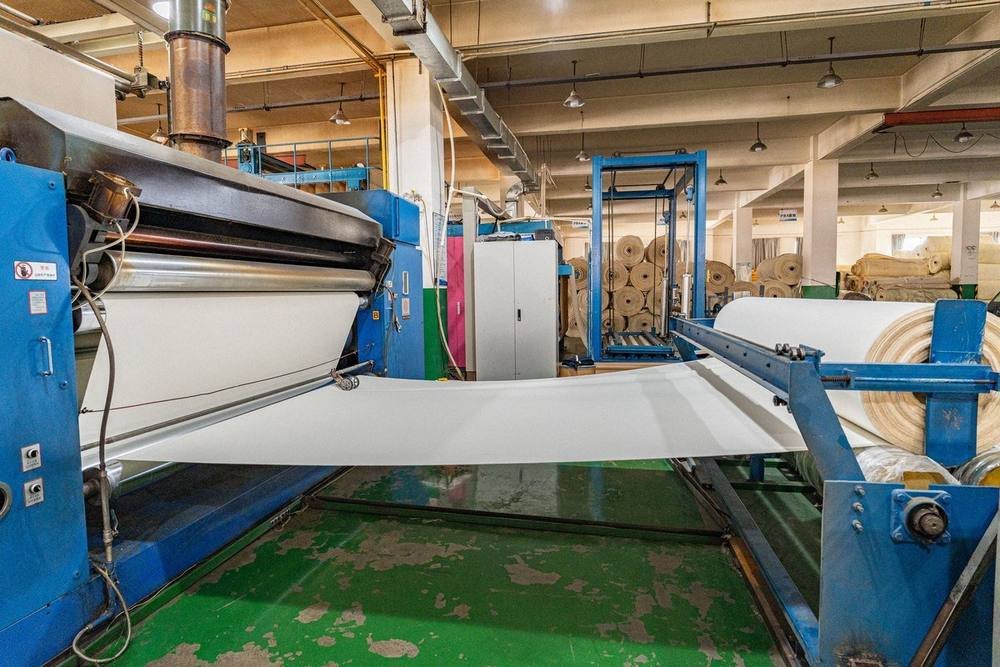
Needle-felt media route
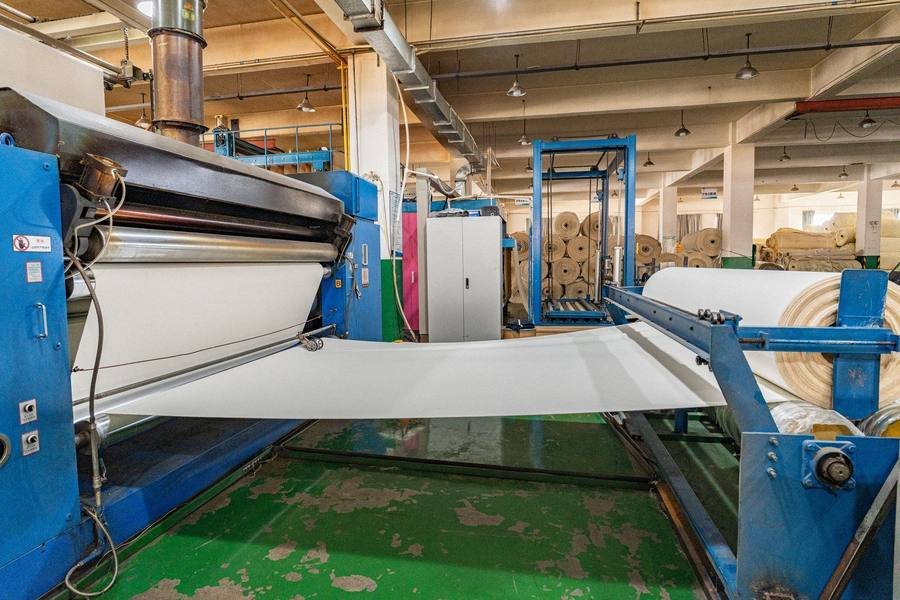
Polyester, acrylic, PPS, P84 and similar felts start from fiber web preparation and repeated needling, then move into heat setting or surface treatment.
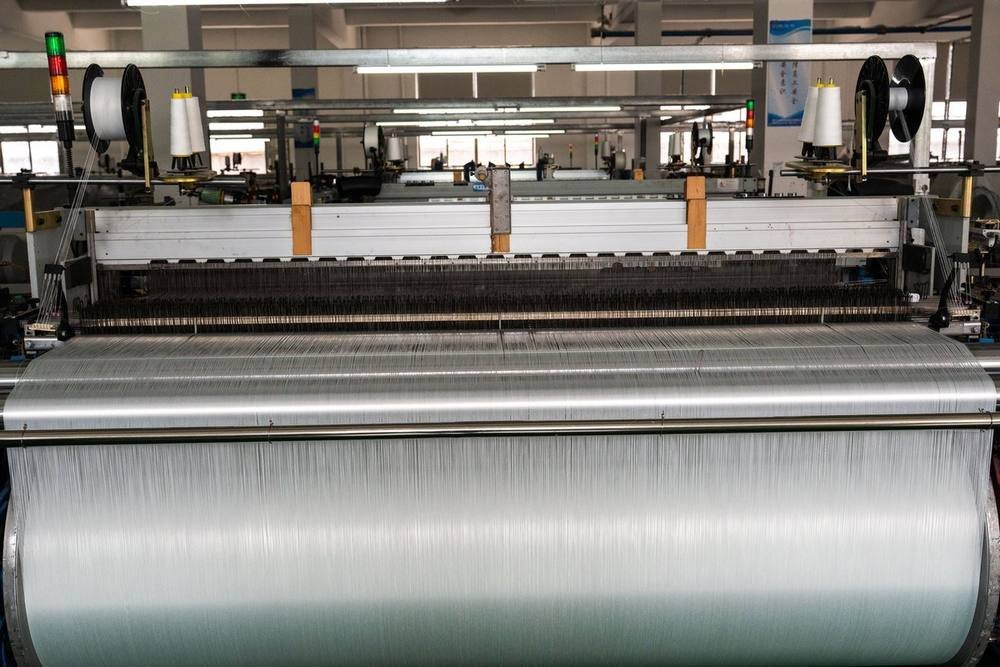
Woven fiberglass route
Fiberglass media starts from glass-fiber yarns arranged in warp and weft directions, then woven into cloth before high-temperature finishing is reviewed.
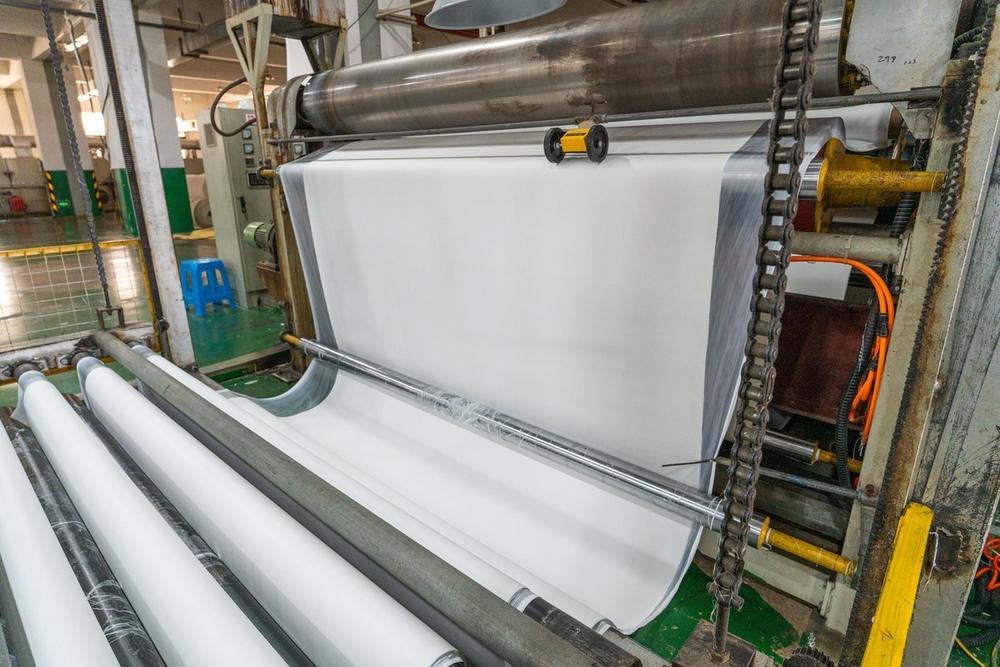
Finishing and roll control
Roll width, media direction, surface condition, finish and air permeability are checked before the fabric is released for cutting.
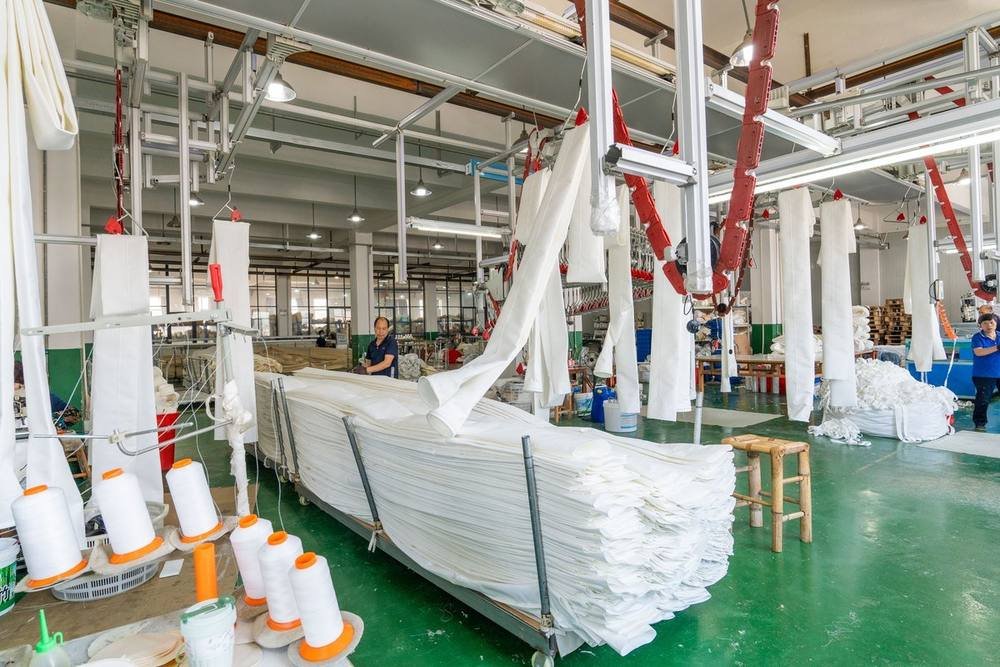
Cutting and bag sewing
The fabric is cut by confirmed diameter, length, top style and bottom construction, then sewn with reinforcement details matched to the cage.
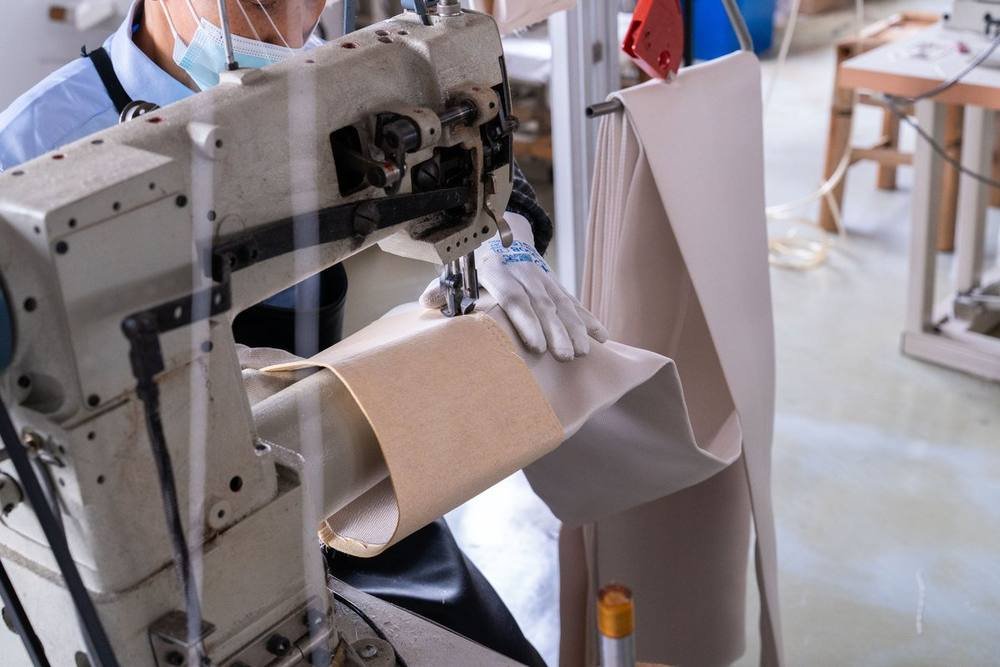
Bag mouth and bottom sewing
Skilled sewing is used for seams, cuffs, snap bands, bottoms and reinforcement details so the finished bag matches the cage and cleaning system.
Selection first
Match Fabric to the Working Condition
The safest quotation starts from the operating condition, not only from the material name on an existing filter bag.
Dry normal temperature
Polyester, acrylic or anti-static polyester can be reviewed when gas is dry and temperature is moderate.
Moisture or acid gas
PPS, PTFE or a suitable finish should be checked when hydrolysis, acid condensation or corrosion risk is present.
High temperature
Fiberglass, FMS, aramid, P84, PTFE or metal fiber direction may be reviewed depending on continuous and peak temperature.
Fine dust and low emission
P84, PTFE membrane and improved sealing details are often reviewed when outlet emission stability is the target.
Surface finish options
Finish Can Change Baghouse Behavior
A finish is not decoration. It can affect dust cake release, moisture resistance, static control, pressure drop and cleaning stability.
PTFE membrane
Reviewed for fine dust capture, lower emission targets and improved surface filtration.
Singeing and calendering
Used to improve surface smoothness and help reduce dust adhesion in suitable conditions.
Oil and water repellent
Helpful when moisture, oil mist or sticky dust may shorten normal bag life.
Anti-static direction
Conductive media can be reviewed for combustible dust when grounding and system design are confirmed.
RFQ checklist
Information Needed Before Fabric Recommendation
Photos of the current bag, dust collector plate, cage condition and current failure pattern usually make the first recommendation more accurate.
| Data | Why it matters |
|---|---|
| Operating temperature and peak temperature | Decides whether standard felt, high-temperature media or special construction should be reviewed. |
| Dust type, moisture and gas chemistry | Helps avoid hydrolysis, acid attack, sticky dust cake or difficult dust release. |
| Cleaning method and pressure behavior | Affects fabric finish, air permeability, membrane direction and expected pressure drop. |
| Bag diameter, length, top and bottom style | The fabric choice must still match the real bag construction and cage fit. |
| Current bag life and failure photos | Shows whether the problem is material, cage wear, sealing, abrasion, condensation or cleaning stress. |
Need filter fabric direction for a project?
Send the dust collector application, working temperature, dust behavior, gas condition, bag size and current bag photos. Pinnacle will help review the practical media direction before quotation.