Dust Collector Pressure Drop Too High? What to Check Before Changing Bags
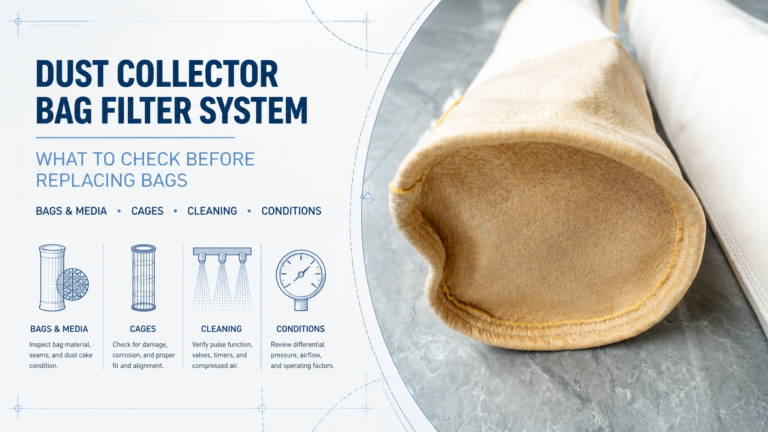
Is dust collector pressure drop too high despite regular cleaning? Before ordering new bags, check the pressure measurement, dust loading, cleaning response and evidence of moisture or persistent cake. New media can develop the same resistance if the underlying operating problem remains.
Before changing material, it is worth asking a few basic questions: Did the pressure rise slowly or suddenly? Did it happen after a process change? Is the dust sticky? Is moisture entering the collector? Are the pulse valves cleaning properly?
Dust collector pressure drop too high: separate symptom from cause
A dust collector can show high pressure drop for several different reasons. The filter media may be blinded, the dust cake may not release, the cleaning system may be weak, or the air volume may be higher than the collector was designed for.
If the plant only replaces the bags without checking these details, the new set can become loaded very quickly.
| What you see | What to check first |
|---|---|
| Pressure drop rises soon after new bags are installed | Dust stickiness, moisture, cleaning pressure, bag fit and startup procedure. |
| Pressure drop rises slowly over months | Normal dust loading, finish wear, air-to-cloth ratio and cleaning frequency. |
| Pressure drop jumps suddenly | Process change, wet dust, valve failure, compressed air issue or dust discharge blockage. |
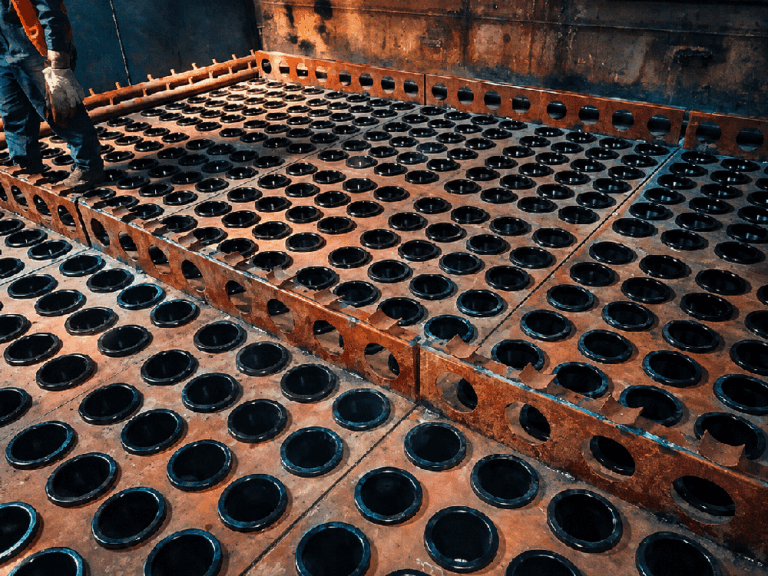
| Some rows clean poorly | Pulse valve, blow pipe alignment, venturi, cage position or broken diaphragm. |
Dust Cake Release Matters More Than It Looks
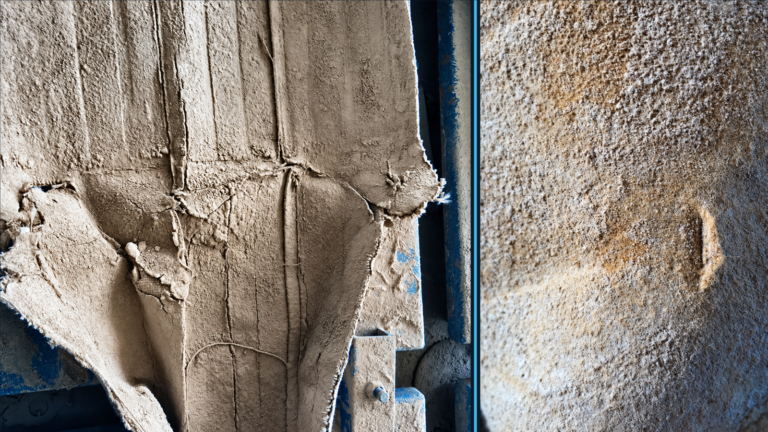
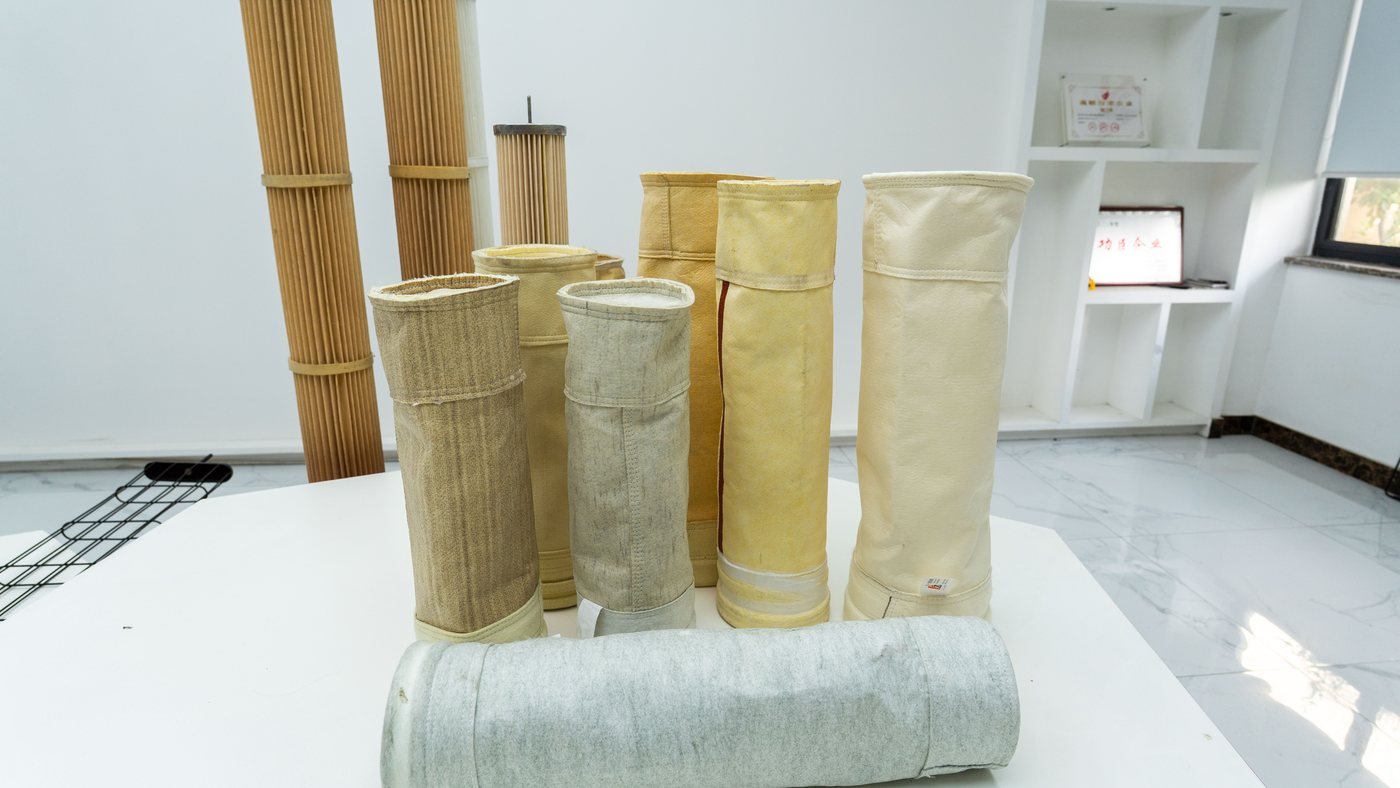
An industrial dust filter bag does not work alone. A thin dust cake usually becomes part of the filtration layer. The problem starts when the cake becomes too thick, too sticky or too hard to clean.
For fine, sticky or moisture-prone dust, a suitable surface finish or PTFE membrane may help. But the finish only works when the cleaning system, air volume and dust discharge are also reasonable.
Moisture Can Turn A Normal Dust Into A Problem
Moisture is a common reason for rising pressure drop. Dust that is easy to release when dry can become sticky after condensation, oil mist or process moisture. In this case, the material may need to be reviewed, but the dew point and process condition need to be reviewed too.
How To Reduce The Risk Before The Next Bag Change
- Record normal pressure drop, peak pressure drop and cleaning frequency.
- Check whether dust is dry, sticky, oily or moisture-affected.
- Inspect pulse valves, compressed air pressure and blow pipe alignment.
- Check whether dust discharge is blocked or slow.
- Review air-to-cloth ratio before selecting membrane or a different media.
Next step
Check the baghouse before changing bags
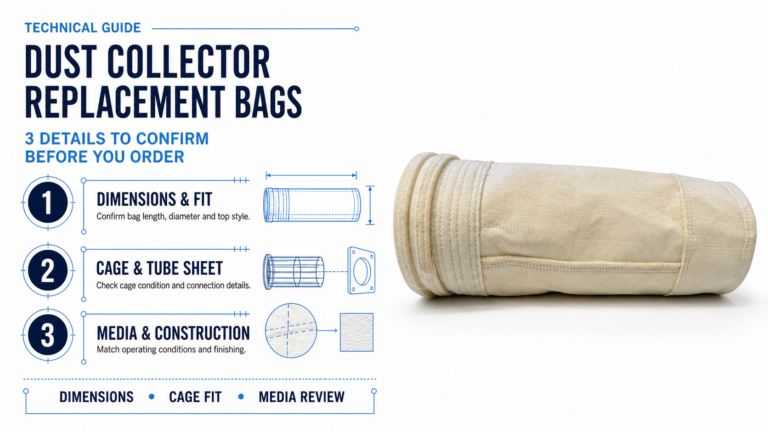
Cage fit, cleaning method, tube-sheet condition or repeated damage may affect the replacement result. Review the baghouse system first.