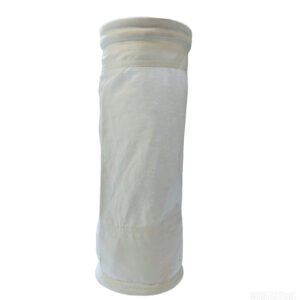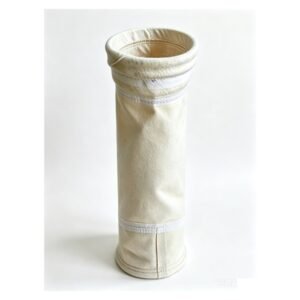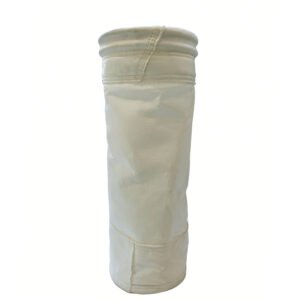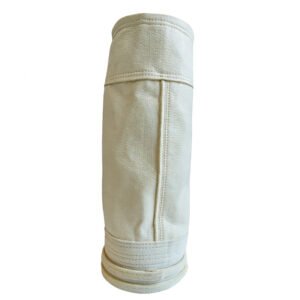
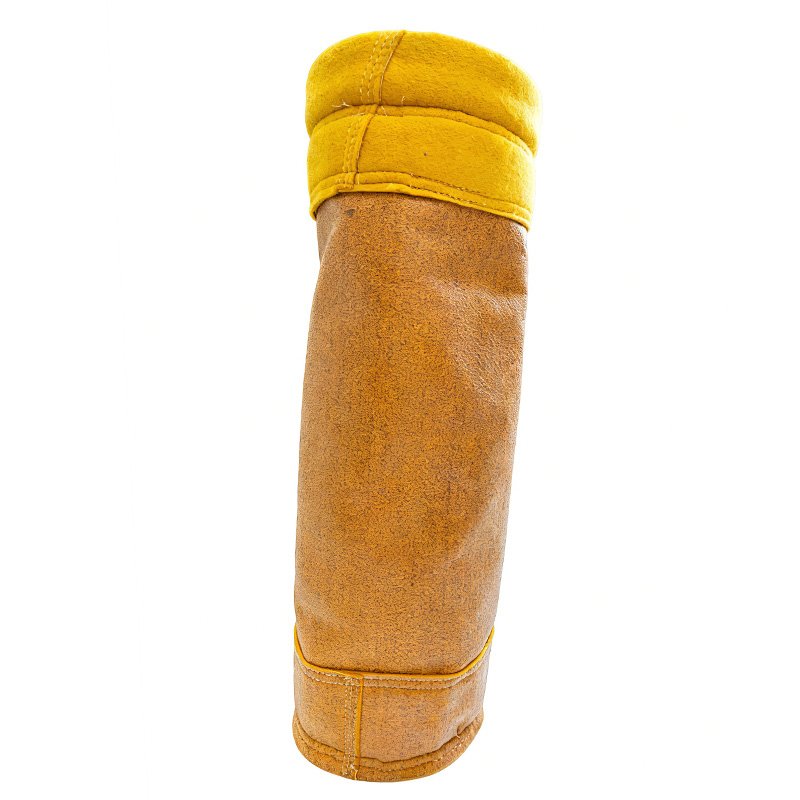
P84 (Polyimide) Filter Bag
P84 filter bags are considered when fine dust capture, emission stability and high-temperature filtration performance are key requirements.
- Common use: fine dust, high-temperature filtration and stricter outlet emission targets
- Core value: filtration efficiency, dust cake release and stable operation under demanding duty
- Quote basis: temperature, dust fineness, gas chemistry, emission target and current bag life
Description
Fine dust capture and emission stability
P84 (Polyimide) Filter Bags for Fine Dust Capture and Low Emission Targets
Polyimide media is considered when fine dust capture, surface area and emission stability matter more than choosing the lowest-cost bag.
PRODUCTION AND QUALITY CONTROL
How Pinnacle Controls Custom P84 Filter Bag Orders
For custom P84 Filter Bag orders, Pinnacle Filter checks more than the material name. The finished bag must match the dust collector size, cage condition, top construction, temperature and dust behavior. The following production and inspection points help buyers review P84 polyimide needle felt before shipment.
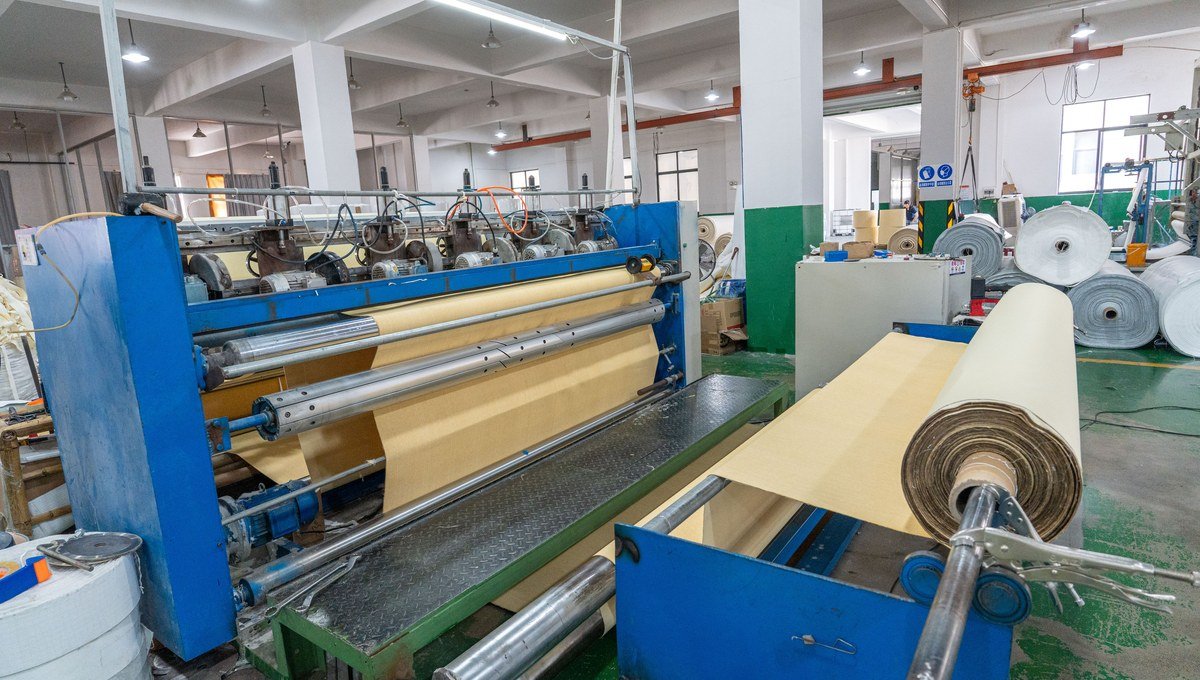
Media preparation
P84 media is reviewed for weight, thickness, surface uniformity and air permeability before cutting. The selected construction must balance fine-particle capture with the pressure-drop requirements of the baghouse.
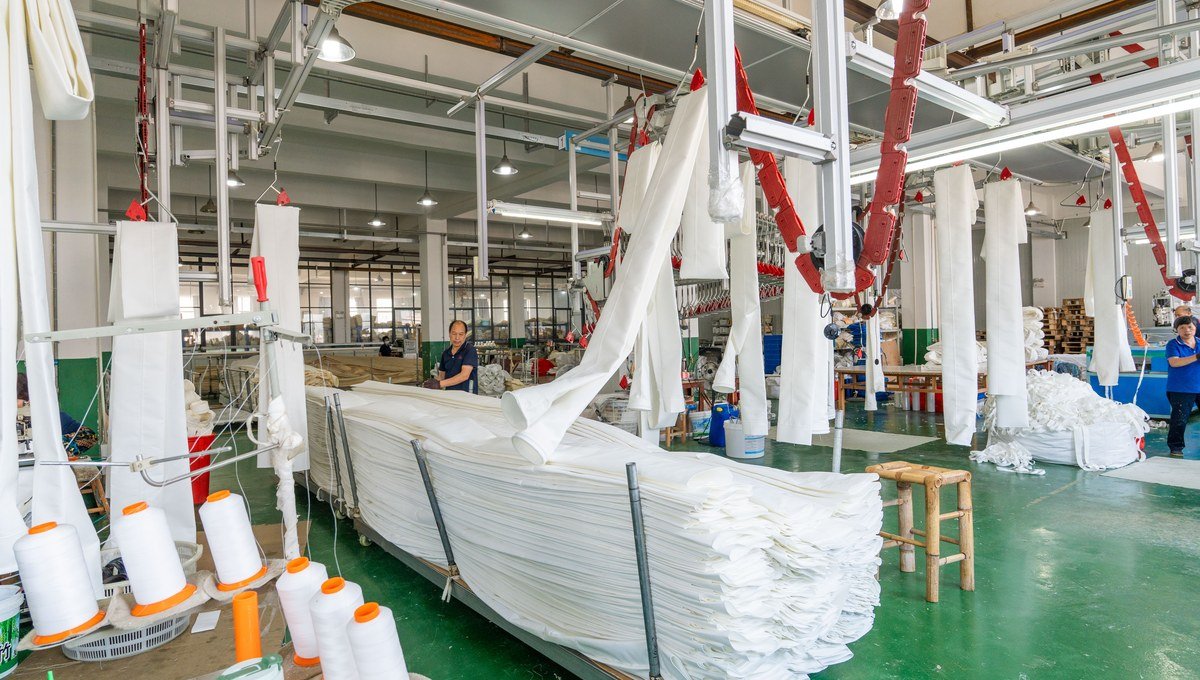
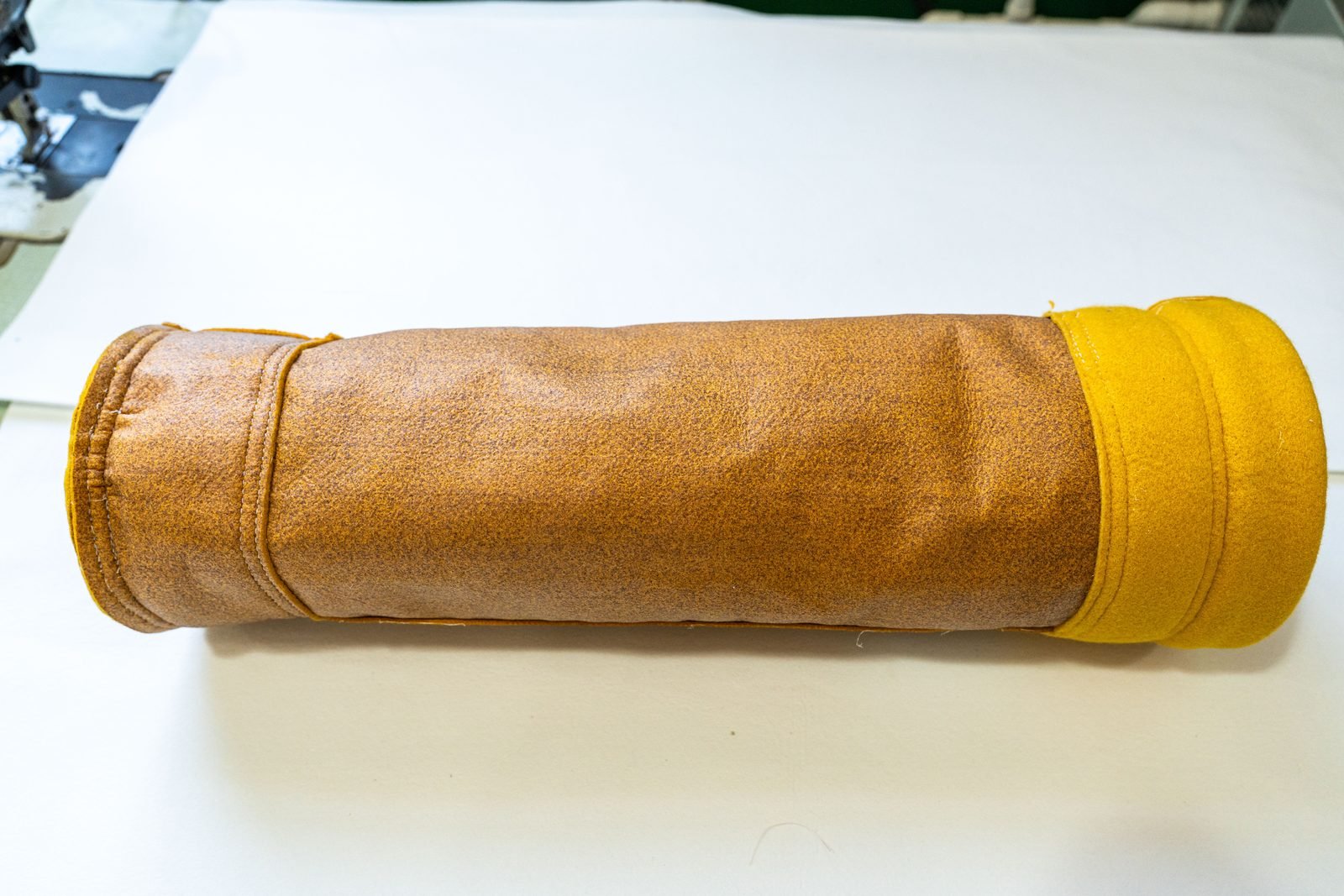
Bag sewing workshop
Bag length, diameter, cuff style, bottom reinforcement and high-temperature sewing thread are confirmed during production. Consistent sizing supports reliable sealing and cage fit at elevated operating temperatures.
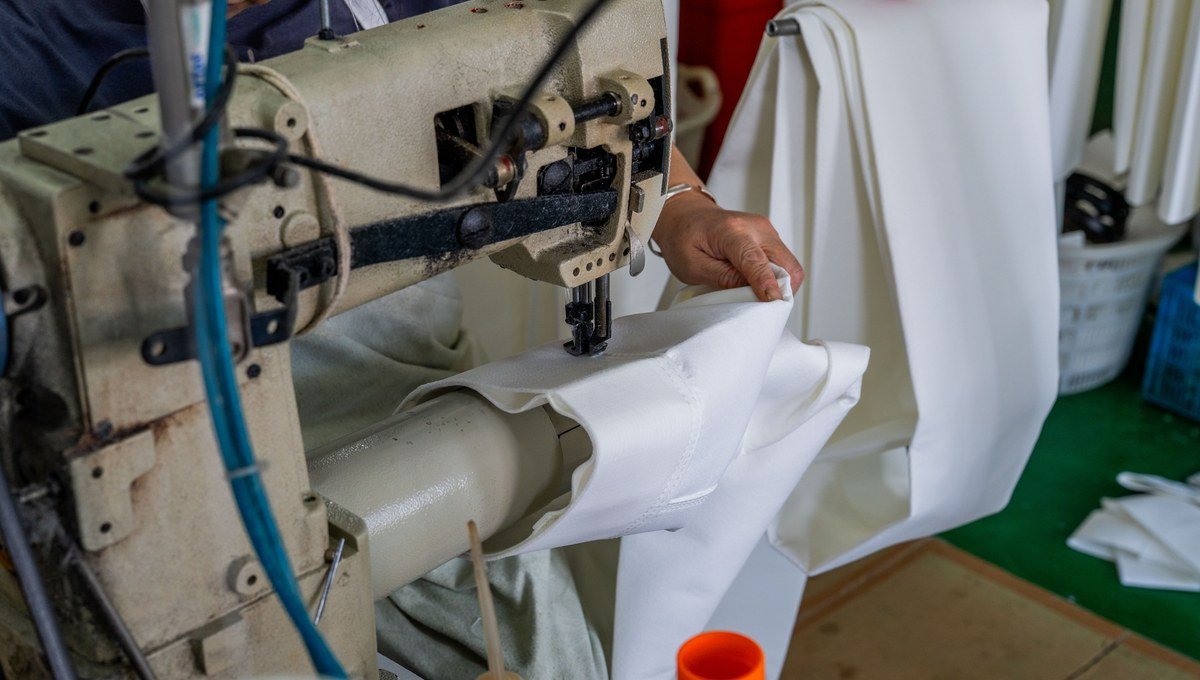
Seam and construction detail
Stitch density, seam alignment and reinforcement are checked at high-stress areas. The aim is to avoid leakage paths and premature mechanical damage while retaining the intended filtration area.
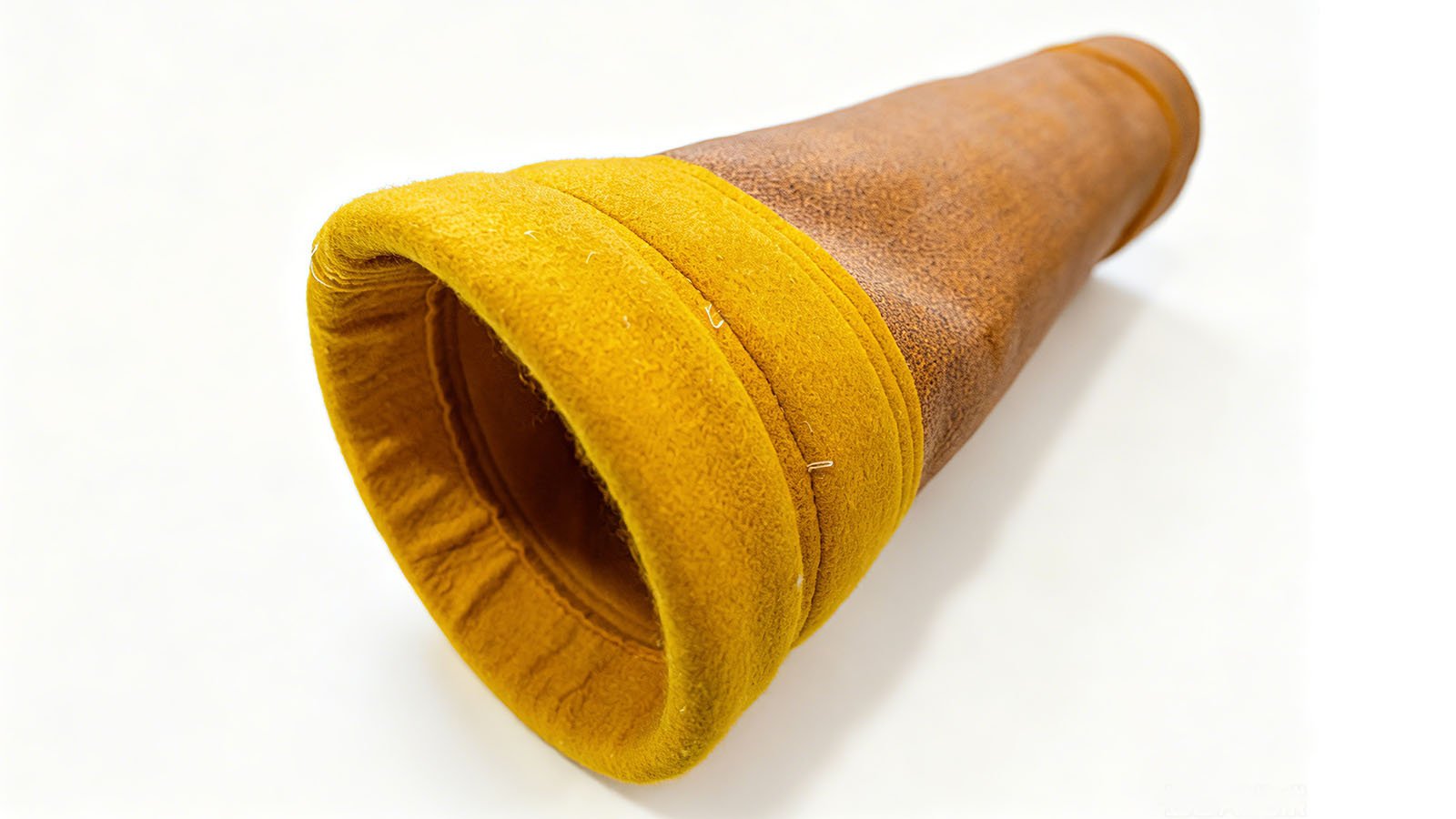
Construction and size review
The finished bag is checked against the tube-sheet opening and cage dimensions. Correct clearance helps limit rubbing, while the cuff and bottom construction must remain secure during pulse cleaning.
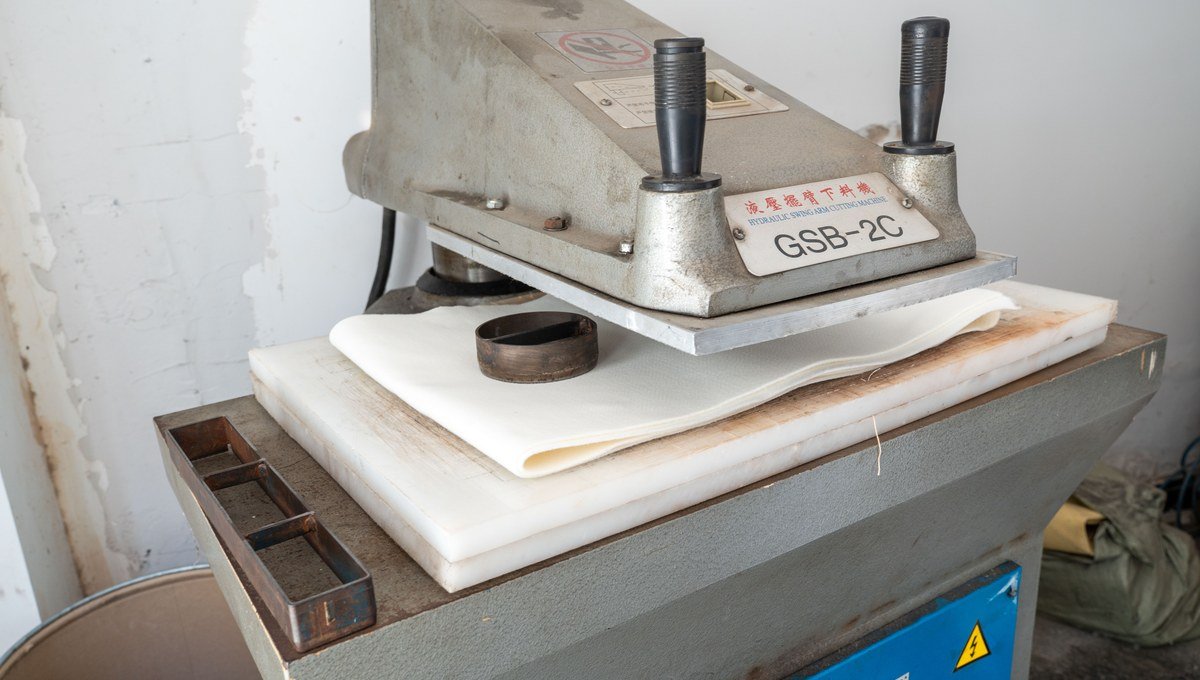
Material testing
Quality control may include weight, thickness, tensile strength, air permeability and heat-related dimensional review. Test items are selected according to the operating temperature and emission requirement.
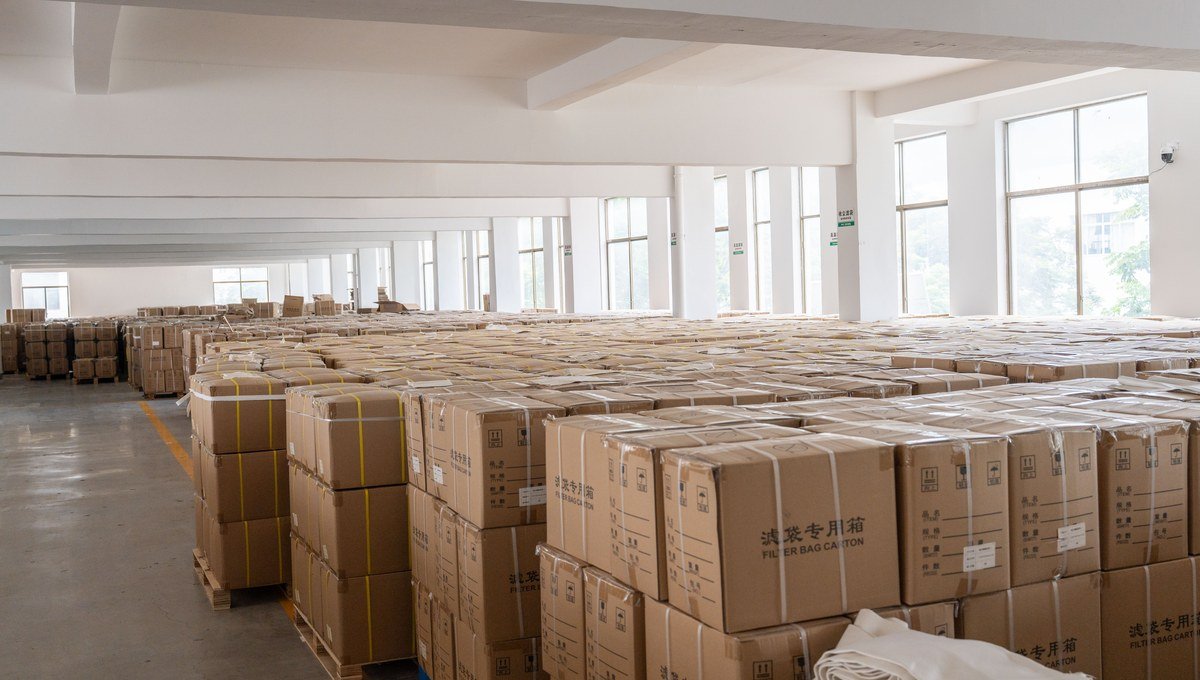
Packing and delivery
Bags are packed by project, size and quantity with identification kept clear. Clean, dry packaging and controlled compression help the finished cuffs, seams and bag bodies retain their shape in transit.
Why buyers consider Polyimide
Surface Area Matters for Fine Particles
Polyimide fiber geometry can help capture fine dust and support stable emissions. In real projects, it is often evaluated alone or blended with other fibers to balance cost, temperature resistance and filtration performance.
Best-Fit Thinking
Polyimide is strongest when the buyer is chasing emission stability and fine dust capture. If the central problem is severe chemical corrosion, PTFE may be a better comparison. If the project is mostly heat and dimensional stability, fiberglass may need review.
Emission-focused filtration
Problems Polyimide Can Help Address
Fine particulate leakage
Higher surface area can support fine dust capture.
Low emission target
Useful when outlet emission stability is a priority.
Blend optimization
Can be blended to balance cost and performance.
Pressure drop balance
Selection should consider dust release, not only capture.
Before quoting
Polyimide Selection Questions
| Question | Why it matters |
|---|---|
| What is the emission target? | Polyimide is usually justified by fine dust and emission needs. |
| What is the gas chemistry? | Chemical attack may point toward PTFE or another media. |
| What is the dust behavior? | Sticky dust may require membrane or surface finish. |
| What is the temperature profile? | Continuous and peak temperature affect media direction. |
Technical selection guide
P84 Polyimide Filter Bag Specifications, Applications and Selection Notes
Polyimide filter bags are considered when fine dust capture and emission stability are important. Polyimide fiber structure provides a high surface area direction, but the correct use still depends on temperature, dust behavior, gas chemistry and cost target.
| Media direction | Polyimide or blended media depending on performance and cost balance. |
|---|---|
| Dust condition | Fine dust, low emission target or filtration efficiency requirement. |
| Options | Blended media, membrane, surface finish, reinforced sewing and custom bag construction. |
| Custom construction | Top style, bottom reinforcement, seam, cage fit and size by drawing or sample. |
Where This Polyimide Filter Bag Is Commonly Used
Cement and minerals
Fine particulate control and emission stability.
Incineration-related dust
When fine dust capture is a major target.
High-temperature filtration
Where filtration efficiency and heat resistance both matter.
Blended media projects
Used to balance cost, emission and service life.
Operating Boundaries to Check
- Severe chemical corrosion: PTFE may be stronger.
- Hydrolysis / acid gas coal conditions: PPS may be compared.
- Lowest-cost replacement: Polyester or acrylic may be more economical.
- Poor dust release: Membrane or finish should be reviewed.
Common Failure Causes
- Emission remains high: Media efficiency, sealing, membrane and installation should be checked.
- Pressure drop rises: Dust release and cleaning settings may be wrong.
- Short bag life: Gas chemistry or temperature may not match the media.
- Mechanical wear: Cage and bottom reinforcement should be reviewed.
Selection Advice from Pinnacle Filter
Use P84 when the buyer’s real problem is fine dust or emission stability. Pinnacle can compare P84, PTFE, PPS, fiberglass and blended media after reviewing target emissions and working conditions.
Related product pages and next steps
Pinnacle Filter Support
Send Emission Target and Working Conditions
Tell us the target emission level, temperature, gas chemistry, dust type and bag size. Pinnacle can compare P84, PTFE, fiberglass and blended options.
Fast RFQ checklist
Technical Reference
Typical Polyimide Filter Bag Specification
Use this table as a reference for initial material review. Final weight, thickness, finishing, top construction and bag size can be customized according to the dust collector design and operating conditions.
| Item | Typical Value |
|---|---|
| Fiber material | Polyimide |
| Scrim material | Polyimide staple yarn fabric |
| Thickness | 2.3 mm |
| Weight | 550 g/m2 |
| Air permeability | 130-180 L/(dm2*min) |
| Tensile strength | Warp >=1200 N; weft >=700 N |
| Break elongation | Warp <35%; weft <35% |
| Working temperature | Continuous 260°C; peak 280°C |
| Finishing options | Heat setting, calendering, singeing, PTFE coating, water and oil repellent, PTFE membrane |
Buyer Questions
FAQ
Why choose P84 polyimide?
For fine dust capture and emission stability where its fiber structure can be useful.
Can Polyimide be blended?
Yes. Blending can balance filtration efficiency, temperature resistance and cost.
Is Polyimide always better than PPS?
No. PPS may be better for coal and hydrolysis conditions, while Polyimide is often considered for fine dust and emission targets.
Related Technical Guides
Helpful Reading Before Selecting Filter Bags