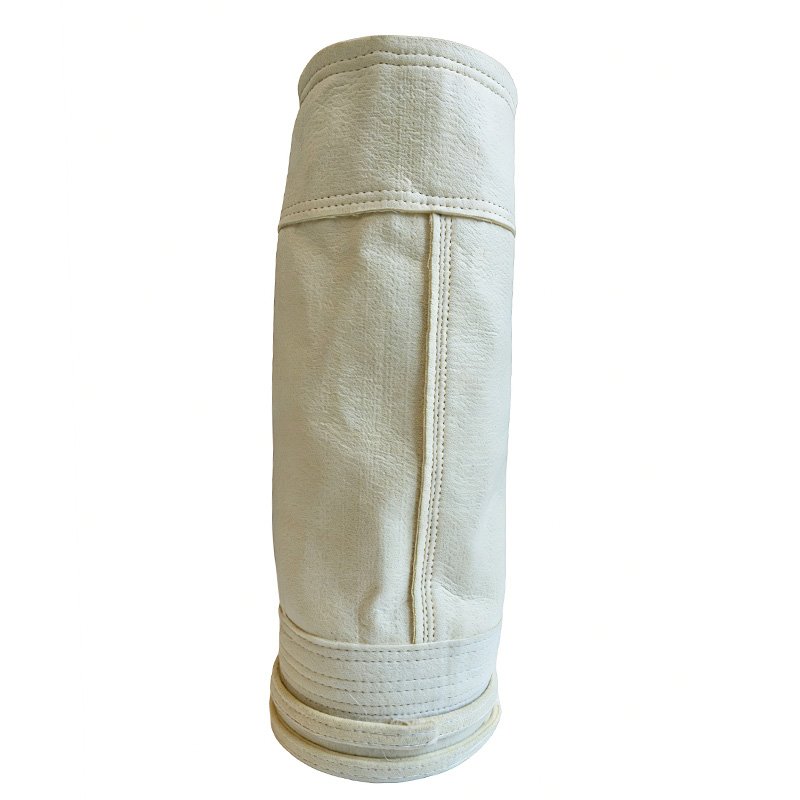
FMS Filter Bag
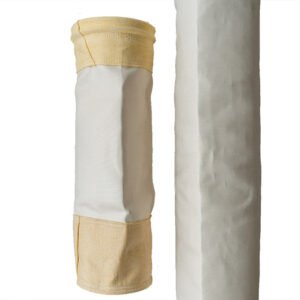
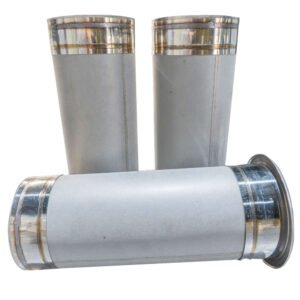
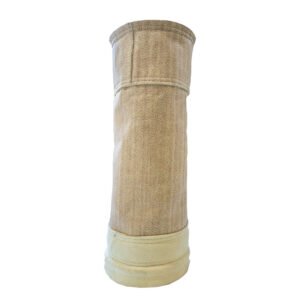
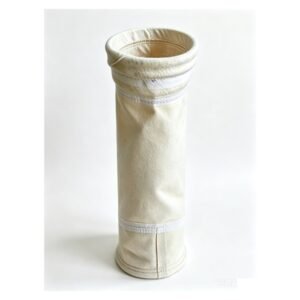
FMS filter bags are composite high-temperature filter bags for complex flue gas conditions where heat resistance, dimensional stability and dust release need to be balanced.
- Common use: cement, steel, chemical, carbon black and other high-temperature dust systems
- Custom review: fiber blend, surface treatment, membrane option and reinforced construction
- Quote basis: temperature curve, gas chemistry, dust behavior, bag size and cage condition
Description
Composite high-temperature media
FMS Filter Bags for Complex High-Temperature Industrial Gas
FMS is a composite high-temperature media direction for cement, steel and chemical plants where one single fiber may not balance heat, stability, dust behavior and cost.
PRODUCTION AND QUALITY CONTROL
How Pinnacle Controls Custom FMS Filter Bag Orders
For custom FMS Filter Bag orders, Pinnacle Filter checks more than the material name. The finished bag must match the dust collector size, cage condition, top construction, temperature and dust behavior. The following production and inspection points help buyers review FMS glass fiber composite needle felt before shipment.
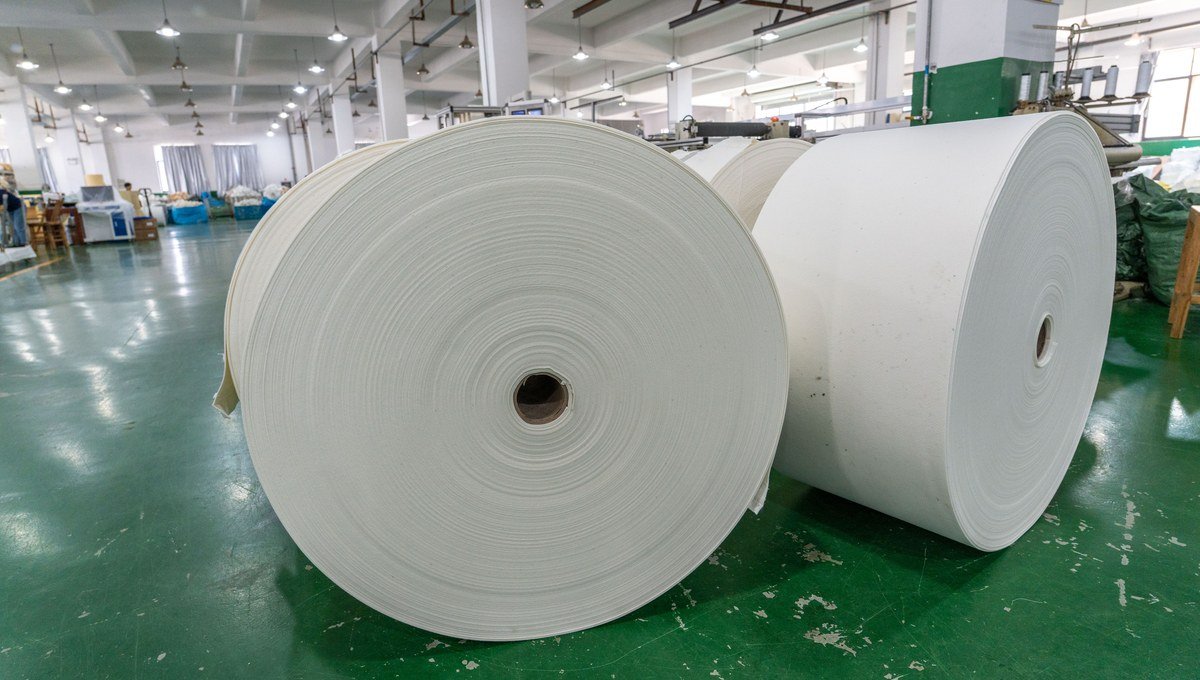
Media preparation
FMS is a glass-fiber-based composite needle felt, so the fiber blend, weight, thickness, permeability and surface finish must match the actual high-temperature duty rather than a material name alone.
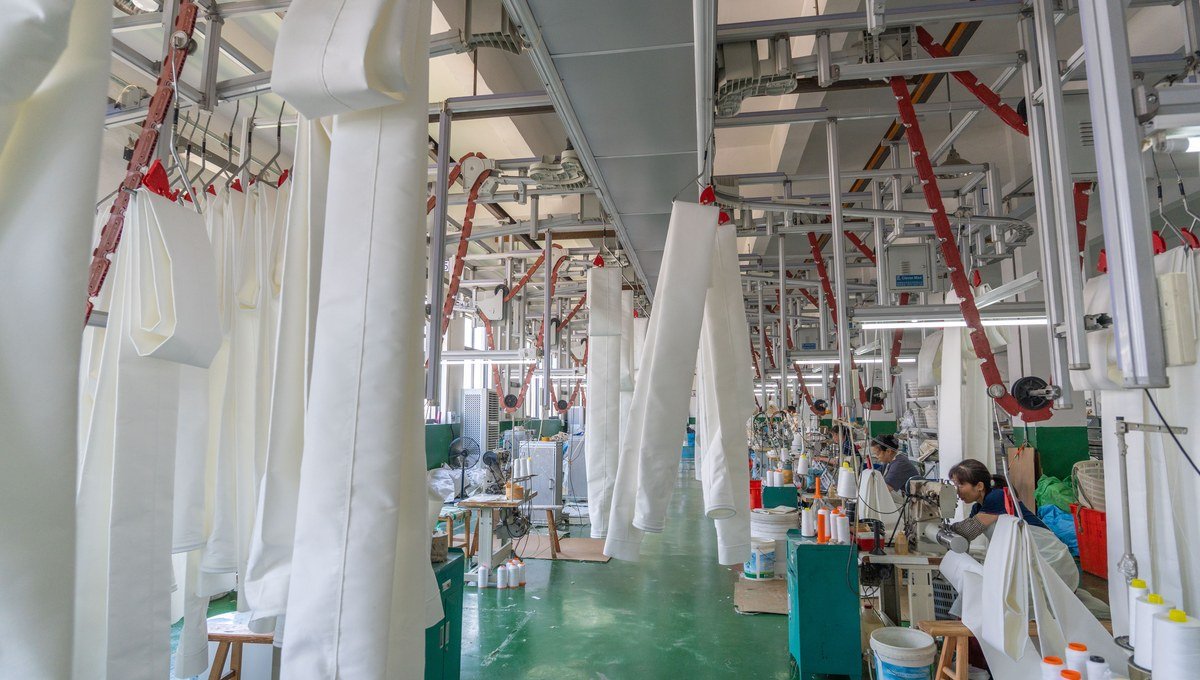
Bag sewing workshop
Sewing controls focus on bag diameter, length, cuff style, bottom reinforcement and suitable high-temperature thread. Careful handling helps limit damage to the glass-fiber component during fabrication.
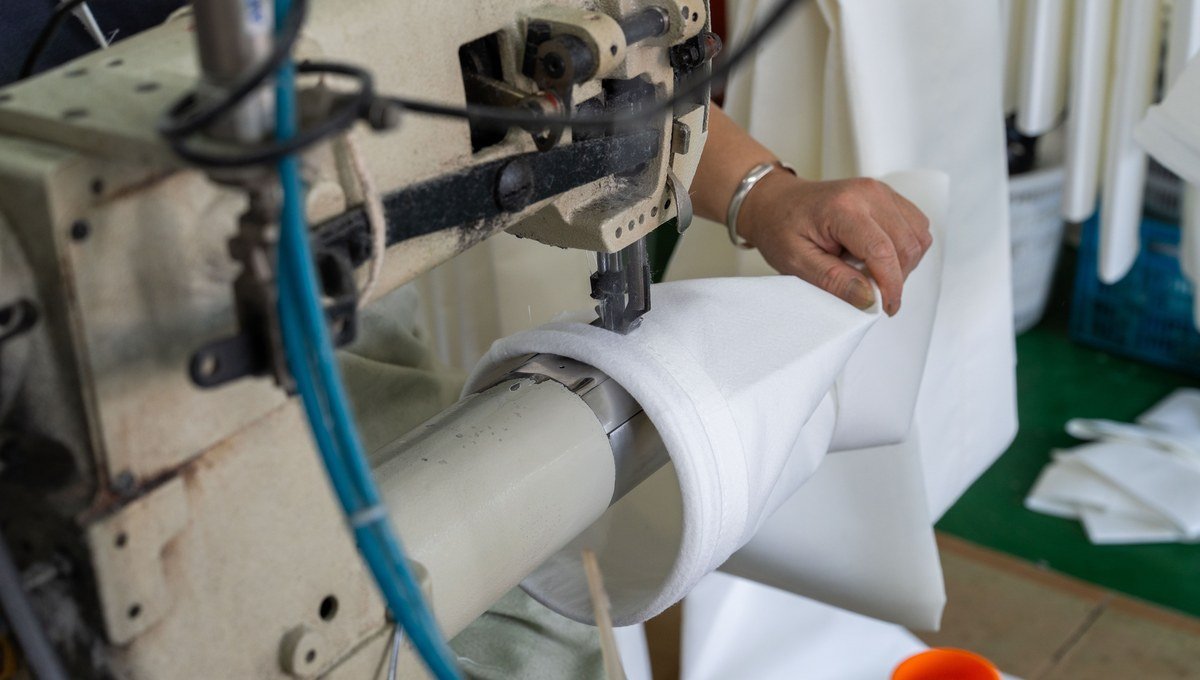
Seam and construction detail
Seam alignment, stitch spacing and reinforcement are reviewed at the cuff and bottom. Local stress concentration is especially important to avoid in a composite media containing glass fiber.
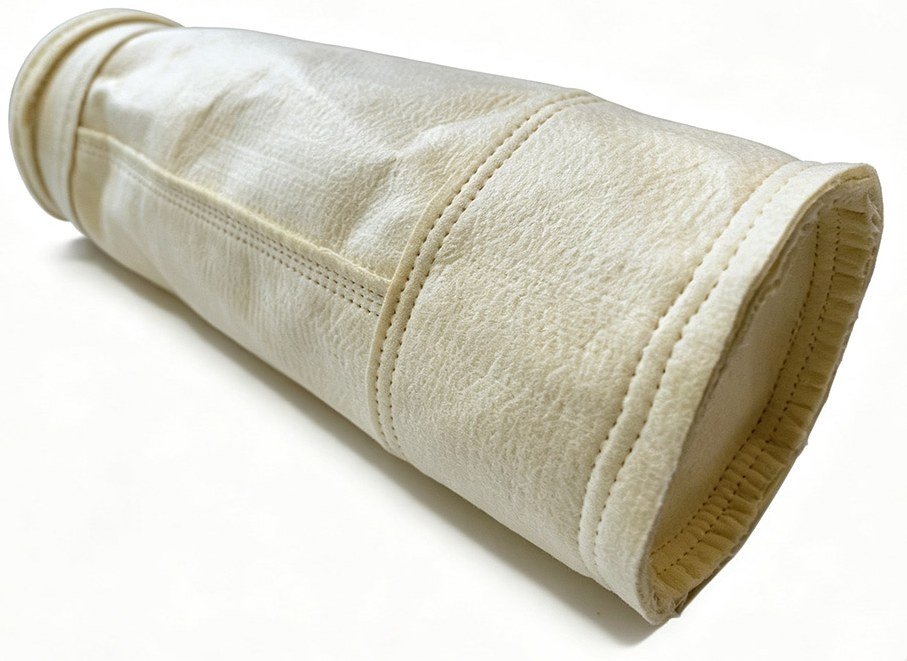
Cuff and seam construction
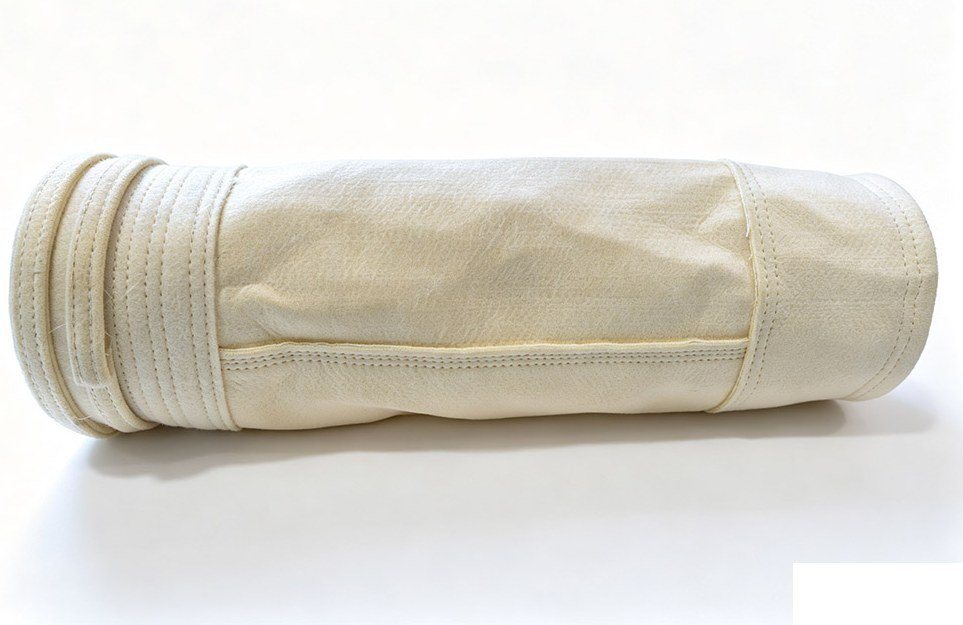
The cuff, reinforcement bands and bottom seam are reviewed for stitching consistency before packing. Smooth seam transitions and stable cuff construction help the FMS composite bag seat correctly and reduce abrasion during pulse cleaning.
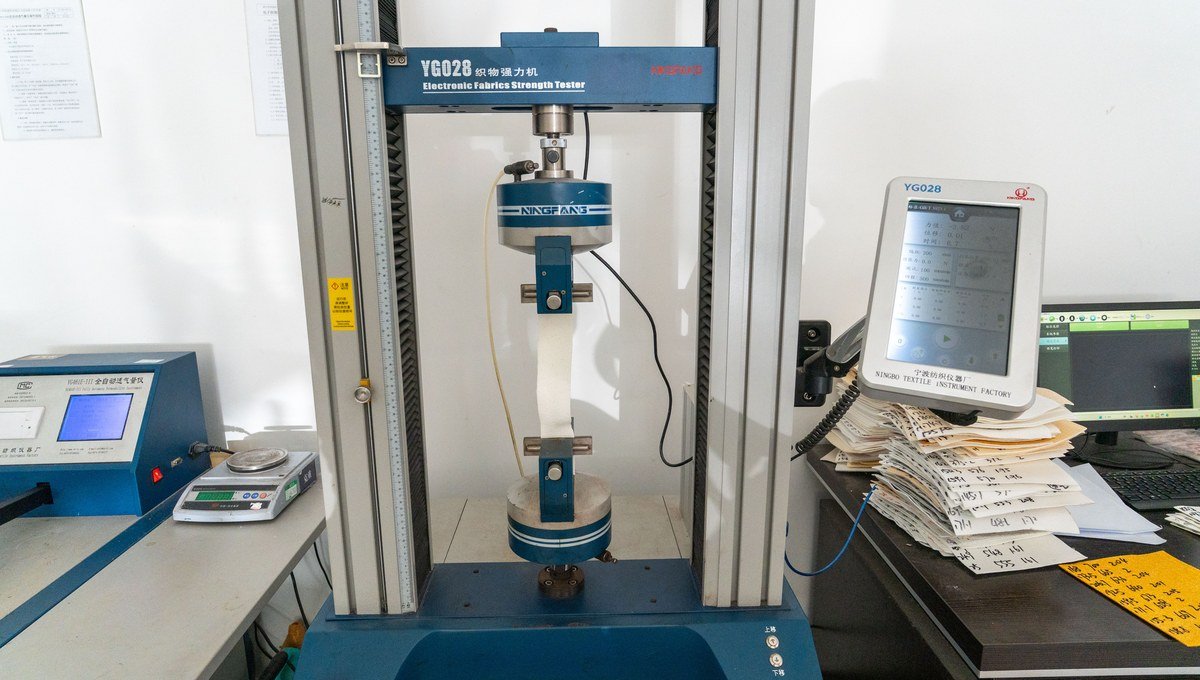
Material testing
Typical tests include weight, thickness, tensile strength, air permeability and heat-related review. The selected finish and composite formulation are confirmed against the dust and gas condition.
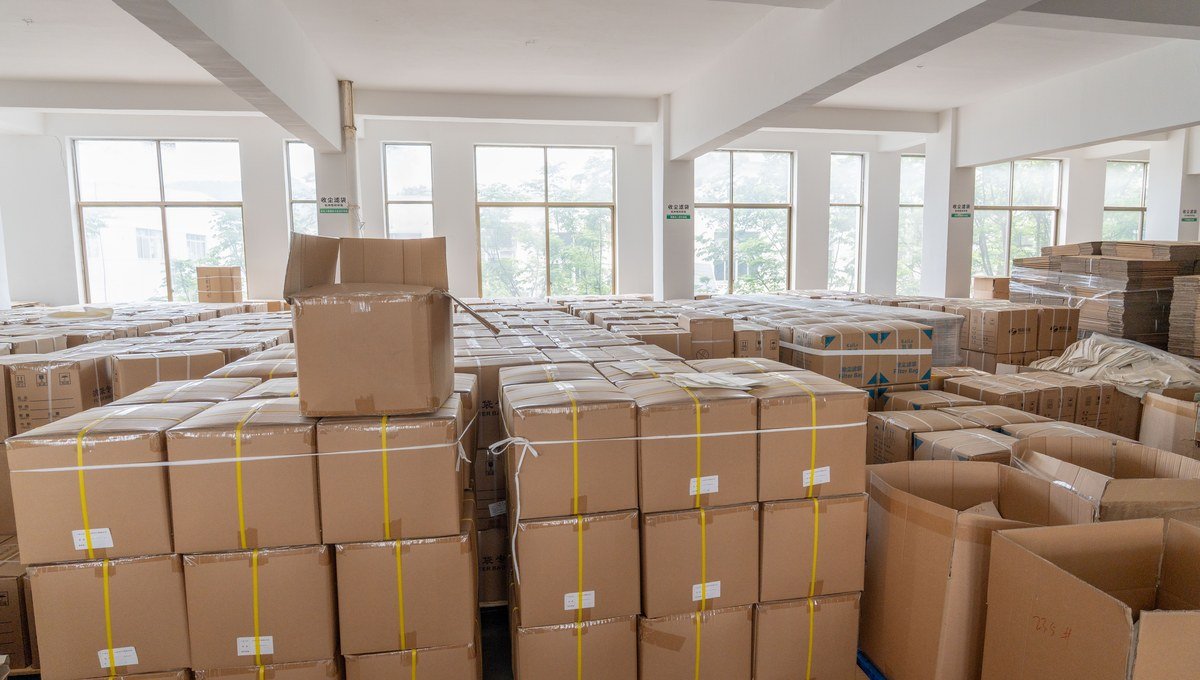
Packing and delivery
Finished bags are grouped by project and protected from dirt, moisture and heavy compression. Controlled packing helps preserve the cuff, seams and composite bag body before installation.
Composite logic
Use FMS When the Problem Has More Than One Variable
Some projects are not only hot, not only corrosive and not only fine dust. FMS is often discussed when the buyer needs a practical balance between temperature resistance, dimensional stability, dust release and replacement cost.
What Pinnacle Reviews
Industrial use cases
Where FMS Is Often Considered
Cement plants
High-temperature kiln tail or process dust.
Steel plants
Hot gas and mixed dust collection.
Chemical plants
Complex gas where finish selection matters.
Replacement upgrades
When standard media cannot balance cost and service life.
Buyer comparison
FMS Versus Other High-Temperature Choices
FMS should be compared with neighboring media, not selected by name alone.
Related High-Temperature Options
Pinnacle can compare FMS with fiberglass, P84 and aramid based on real conditions.
Technical selection guide
FMS Filter Bag Specifications, Applications and Selection Notes
FMS filter bags are composite high-temperature filter bags used when a project needs a balance of heat resistance, dimensional stability, dust release and cost. They are often reviewed for cement, steel and chemical dust collection.
| Media direction | Composite high-temperature media; final blend and finish depend on working condition. |
|---|---|
| Dust condition | High-temperature, mixed industrial flue gas or complex process dust. |
| Options | Surface treatment, membrane, reinforced sewing, custom top and bottom design. |
| Custom construction | Diameter, length, seam, top style and bottom reinforcement by collector requirement. |
Where This FMS Filter Bag Is Commonly Used
Cement plants
Kiln tail, clinker cooler and high-temperature process dust.
Steel plants
Hot gas and mixed dust collection.
Chemical plants
Complex gas where finish selection matters.
Carbon black / minerals
High-temperature dust with cost-performance requirements.
Operating Boundaries to Check
- Severe corrosion: PTFE may need comparison.
- Fine emission target: P84 or membrane options may be stronger.
- Pure high-temperature stability: Fiberglass may be reviewed.
- Normal dry dust: Polyester may be sufficient and more economical.
Common Failure Causes
- Unstable pressure drop: Dust release, finish and cleaning method should be checked.
- Heat damage: Continuous and peak temperature may exceed media direction.
- Chemical aging: Gas chemistry may require PPS or PTFE comparison.
- Mechanical wear: Cage fit and bottom reinforcement are important.
Selection Advice from Pinnacle Filter
FMS is not chosen only by name. It is a balancing option. Pinnacle should compare FMS with fiberglass, aramid, P84 and PTFE based on actual temperature, gas chemistry, dust behavior and service-life target.
Related product pages and next steps
Pinnacle Filter Support
Ask Whether FMS Is the Right Balanced Media
Send operating temperature, gas chemistry, dust type, current bag life and size. Pinnacle will compare FMS with other high-temperature options.
Fast RFQ checklist
Technical Reference
Typical FMS Filter Bag Specification
Use this table as a reference for initial material review. Final weight, thickness, finishing, top construction and bag size can be customized according to the dust collector design and operating conditions.
| Item | Typical Value |
|---|---|
| Surface fiber | Glass fiber composite with meta-aramid or other blend options |
| Scrim material | Glass fiber woven fabric |
| Thickness | 2.4 mm |
| Weight | 870 g/m2 |
| Air permeability | 180 L/(dm2*min) at 200 Pa |
| Tensile strength | MD >=1600 N; CD >=1600 N |
| Working temperature | Continuous 240°C; peak 260°C |
| Finishing | Chemical treatment and single-side singeing |
Buyer Questions
FAQ
What is FMS filter media?
A composite high-temperature media direction used for complex industrial dust collection.
Is FMS cheaper than PTFE?
Often it can be more economical, but chemical resistance and service target must be checked.
Where is FMS used?
Cement, steel, chemical, carbon black and other high-temperature dust systems may evaluate FMS.
Related Technical Guides
Helpful Reading Before Selecting Filter Bags