Filter Bag Technical Blog
Technical Resources & Updates
Filter Bag Resources, Technical Guides & Updates
Practical resources for selecting industrial dust collector filter bags, solving baghouse problems, reviewing replacement details and following relevant quality or project updates.
-
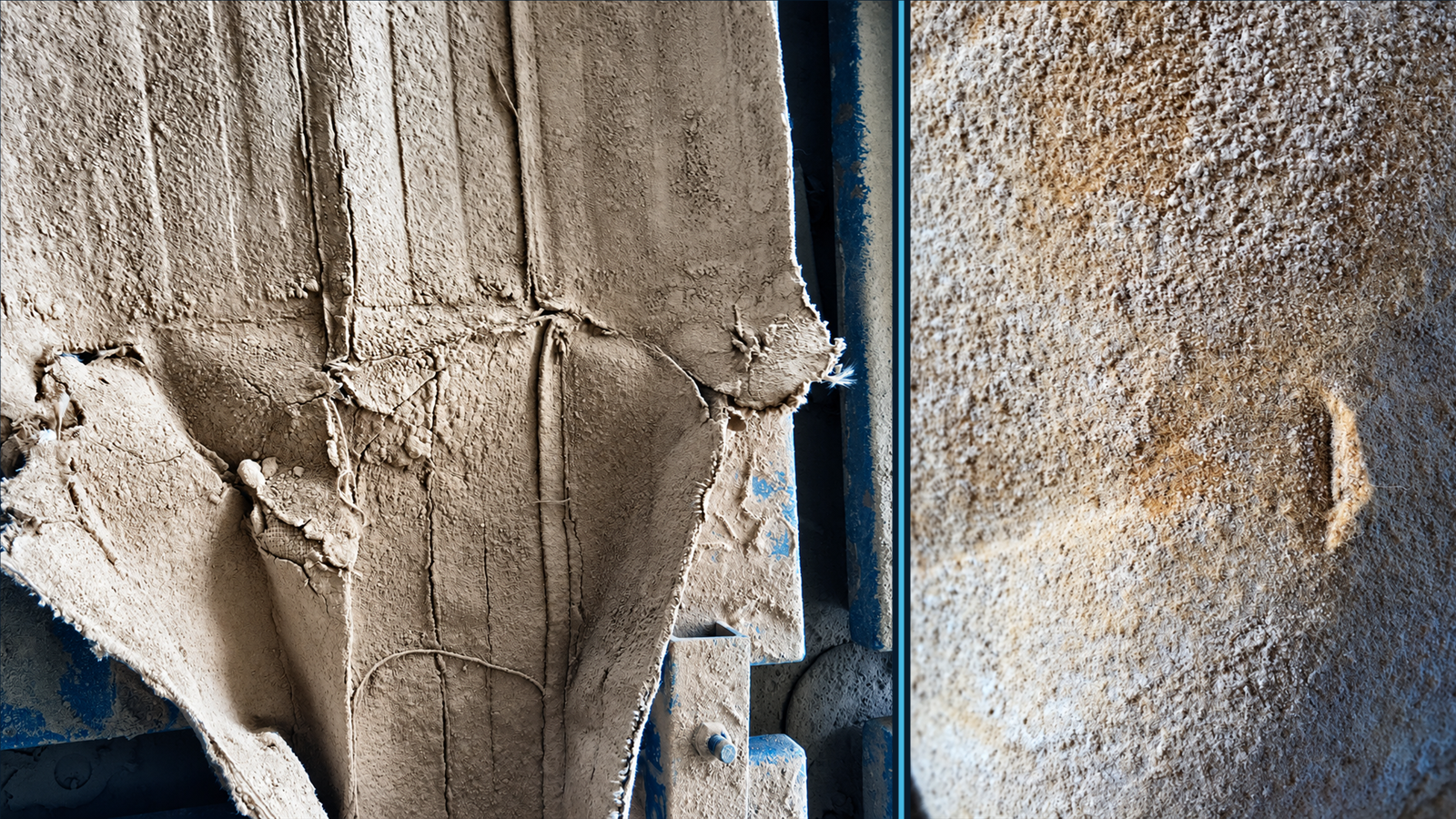
Filter Bag Traceability: When Similar-Looking Bags Are Not Interchangeable
Read guide: Filter Bag Traceability: When Similar-Looking Bags Are Not InterchangeableWhy filter bag material, finished length, installed position and batch records matter when diagnosing premature damage.
-
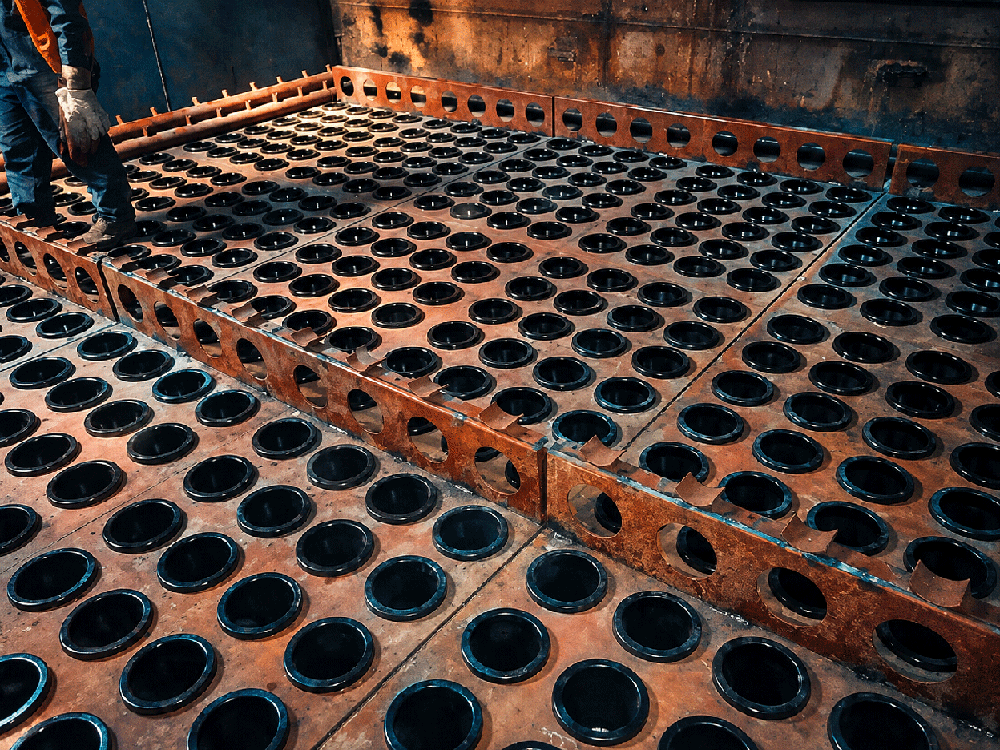
When Filter Bags Keep Failing in the Same Place: Build a Position Map
Read guide: When Filter Bags Keep Failing in the Same Place: Build a Position MapA filter-bag replacement count shows the workload. A position map preserves the pattern—and helps the next inspection focus on repeat locations, clusters and shared…
-

Filter Bag Air Permeability vs Pressure Drop: How to Compare Media
Read guide: Filter Bag Air Permeability vs Pressure Drop: How to Compare MediaCompare filter bag air permeability and operating pressure drop. Learn what membrane specifications mean and what evidence to request before replacing media.
-

Filter Bag Replacement Cost: What Determines Your Quote?
Read guide: Filter Bag Replacement Cost: What Determines Your Quote?Learn what affects industrial filter bag replacement cost, from media and membrane to bag construction, inspection, delivery and installation.
-
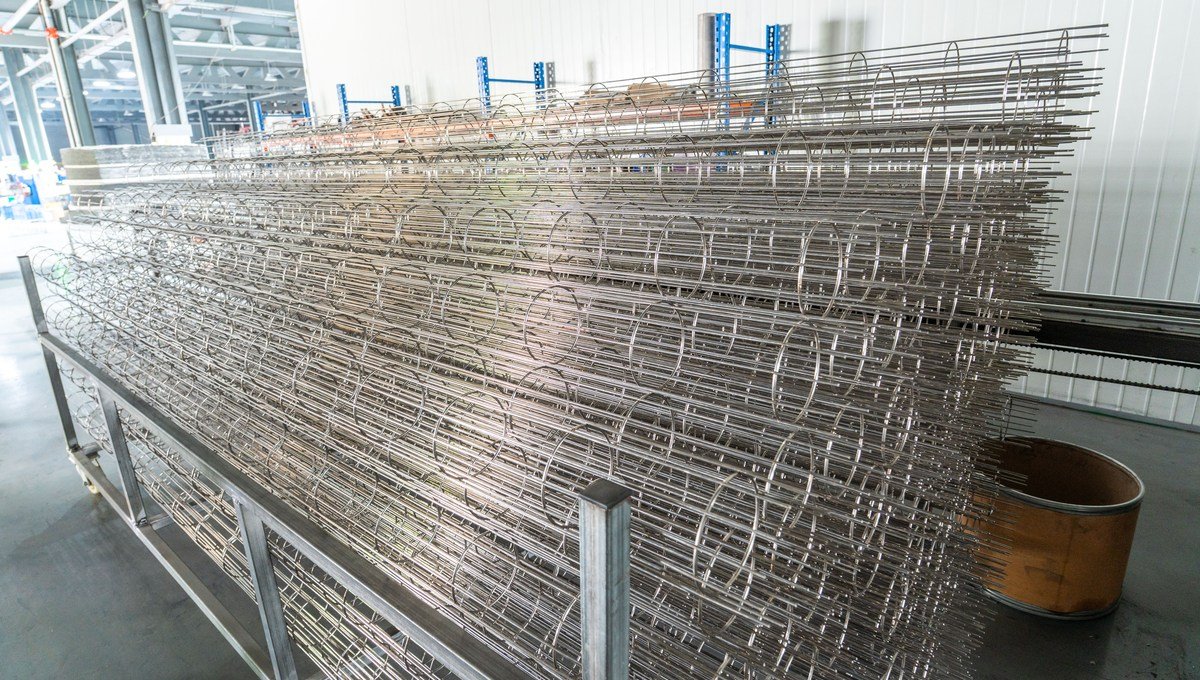
Filter Cage Material and Coating: Galvanized, Silicone or Stainless Steel?
Read guide: Filter Cage Material and Coating: Galvanized, Silicone or Stainless Steel?Compare galvanized, silicone-coated, 304 and 316L filter cages for baghouse service, and learn what to check before ordering replacement cages.
-
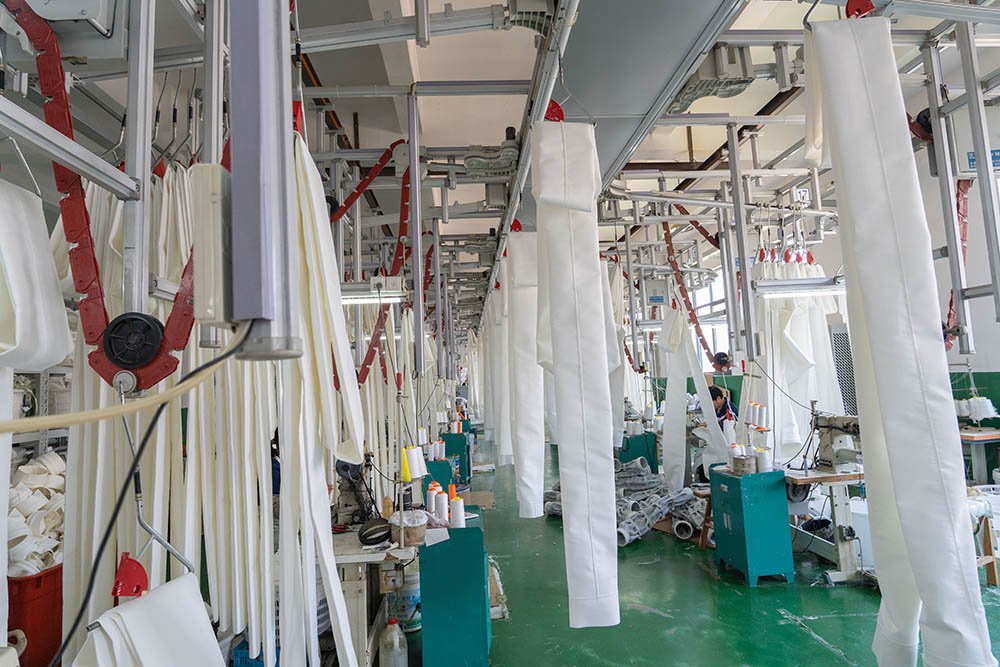
Industrial Filter Bag Manufacturers: A Buyer’s Checklist for Comparing Suppliers
Read guide: Industrial Filter Bag Manufacturers: A Buyer’s Checklist for Comparing SuppliersA practical 12-point checklist for comparing industrial dust collector and baghouse filter bag suppliers before placing a replacement order.
-

P84 vs PPS Filter Bags: Which Material Fits Your Dust Collector?
Read guide: P84 vs PPS Filter Bags: Which Material Fits Your Dust Collector?A practical P84 vs PPS filter bag comparison for fine dust, emission targets, moisture, acid gas, oxygen exposure and baghouse replacement decisions.
-
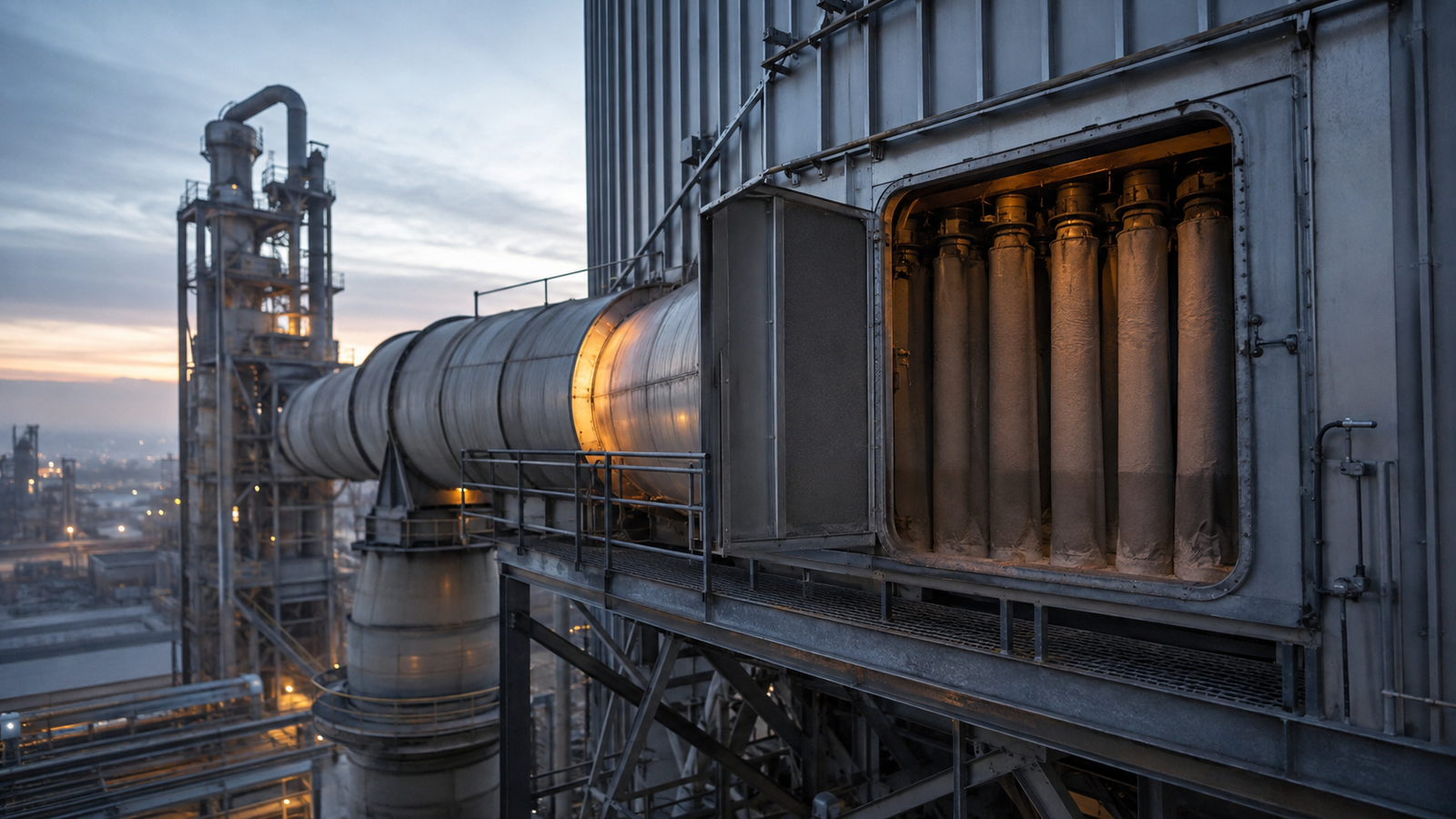
Cement Kiln Baghouse Filter Bags: Managing Alkali, Sulfur and Dew-Point Corrosion
Read guide: Cement Kiln Baghouse Filter Bags: Managing Alkali, Sulfur and Dew-Point CorrosionHow to select cement kiln baghouse filter bags when alkali-bearing dust, sulfur species, moisture and temperature cycling create chemical and mechanical risk.
-
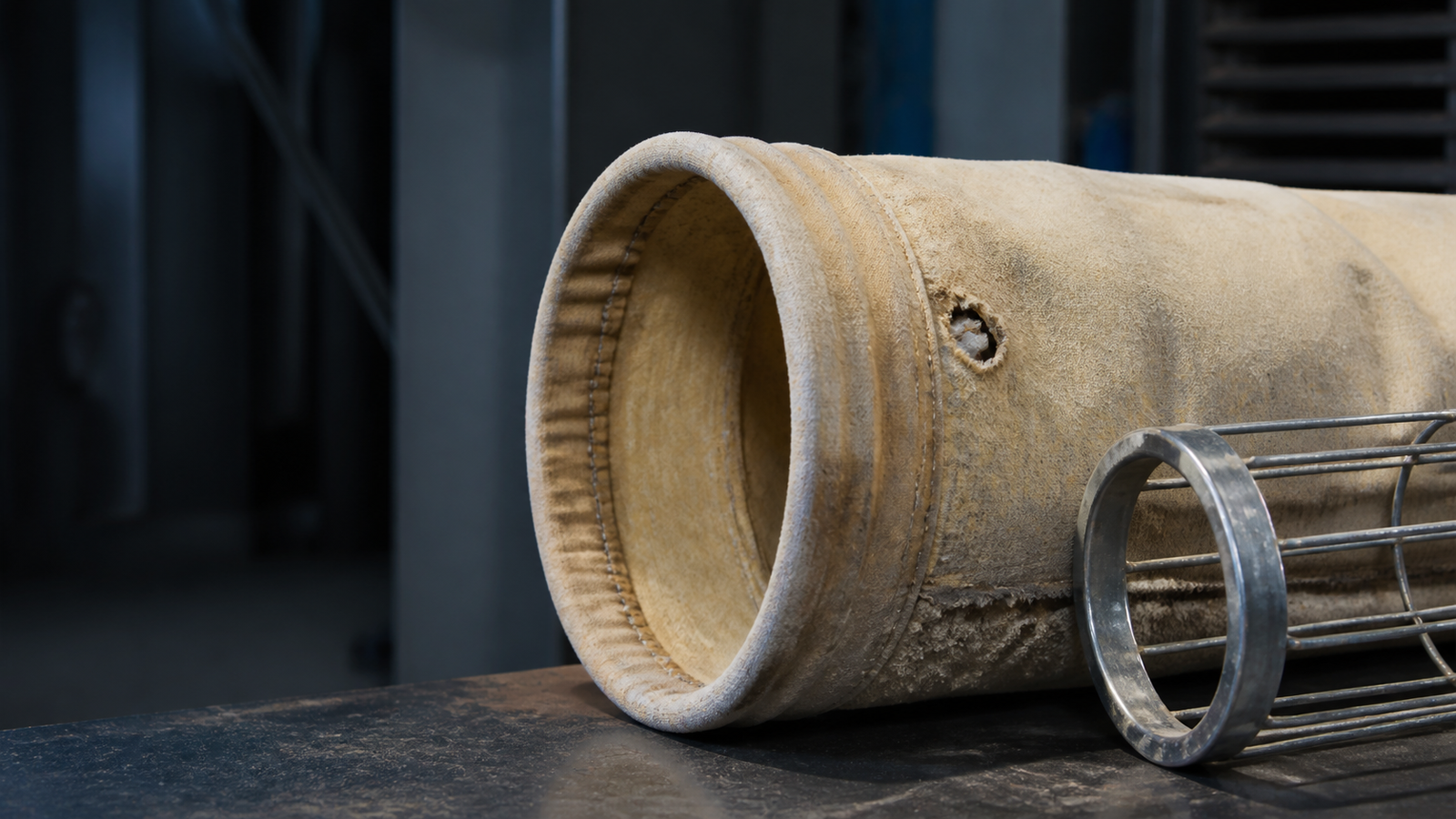
Filter Bag Wear Patterns: How to Diagnose Cage Abrasion, Blinding and Dust Leaks
Read guide: Filter Bag Wear Patterns: How to Diagnose Cage Abrasion, Blinding and Dust LeaksA practical field guide to reading filter bag damage by location—top, body, lower section and bottom—so the underlying baghouse problem can be corrected before…
-
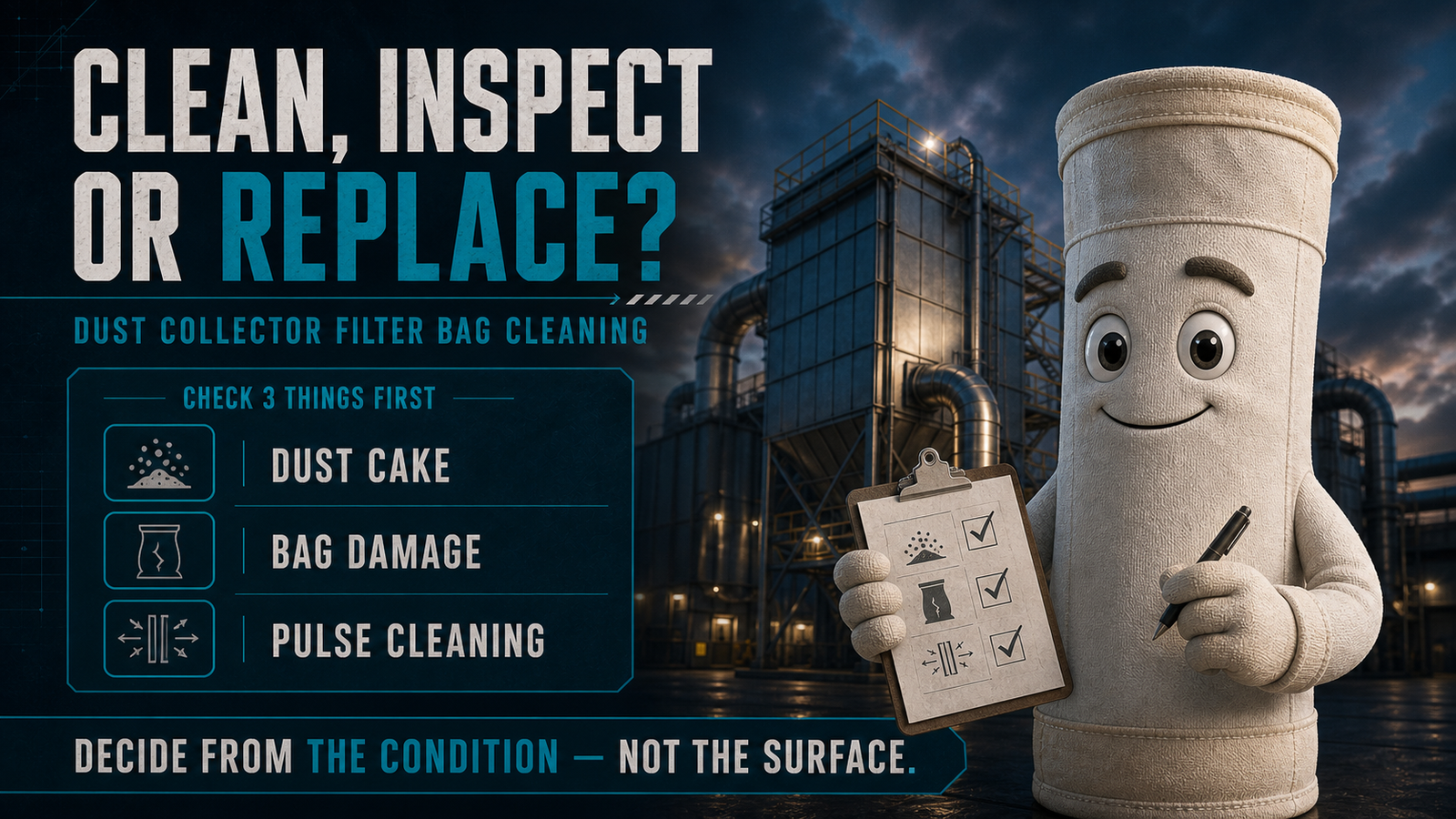
Dust Collector Filter Bag Cleaning: When Cleaning Helps and When to Replace
Read guide: Dust Collector Filter Bag Cleaning: When Cleaning Helps and When to ReplaceA practical guide to deciding whether a dust collector filter bag should be cleaned, inspected or replaced after high pressure drop, dust cake or…
-
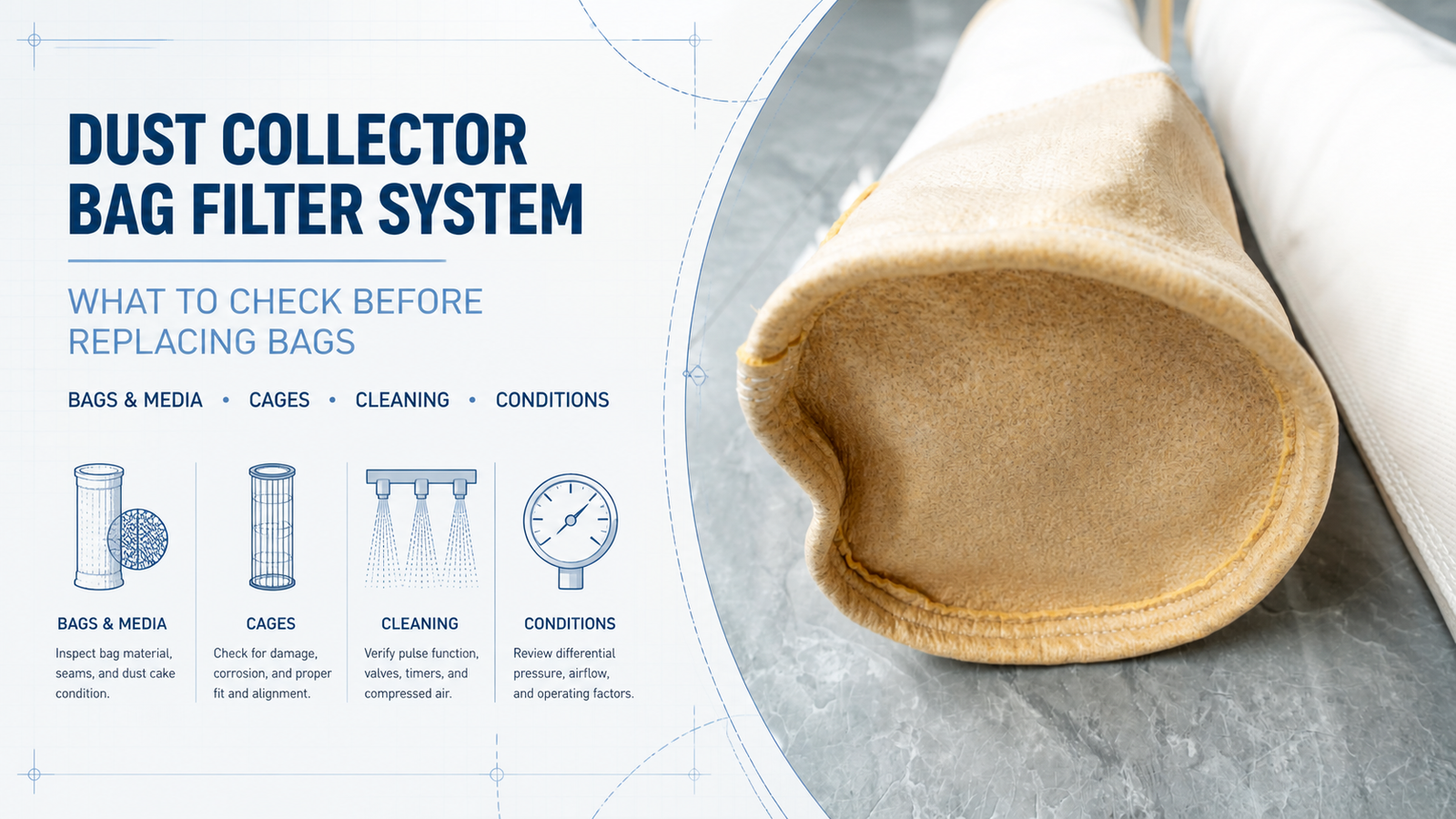
Dust Collector Bag Filter System: What to Check Before Replacing Filter Bags
Read guide: Dust Collector Bag Filter System: What to Check Before Replacing Filter BagsA practical troubleshooting checklist for reviewing filter bags, cages, cleaning performance and operating conditions before you order replacements.
-
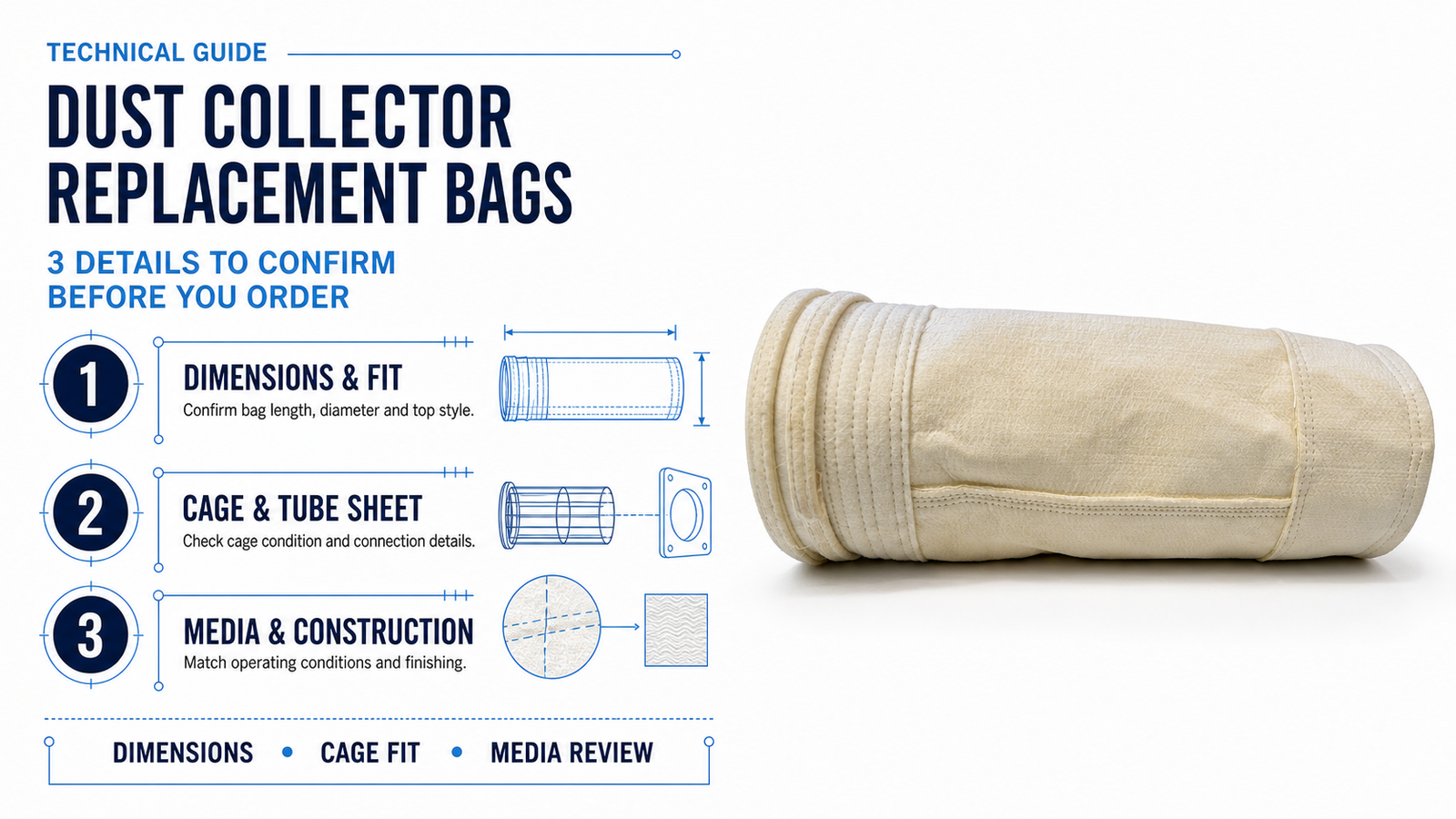
Dust Collector Replacement Bags: 7 Details to Confirm Before You Order
Read guide: Dust Collector Replacement Bags: 7 Details to Confirm Before You OrderReplacement dust collector bags should match more than the old bag’s diameter and length. Use this practical checklist to confirm fit, media and construction…
Need help choosing filter bags?
Send your bag size, temperature, dust type, gas condition and current failure pattern for material review.
Choose your project route
Turn research into the right next step
After reading a guide, continue according to your project stage: a new requirement, a replacement sample, incomplete operating conditions or a baghouse problem.