Filter Bag Traceability: When Similar-Looking Bags Are Not Interchangeable
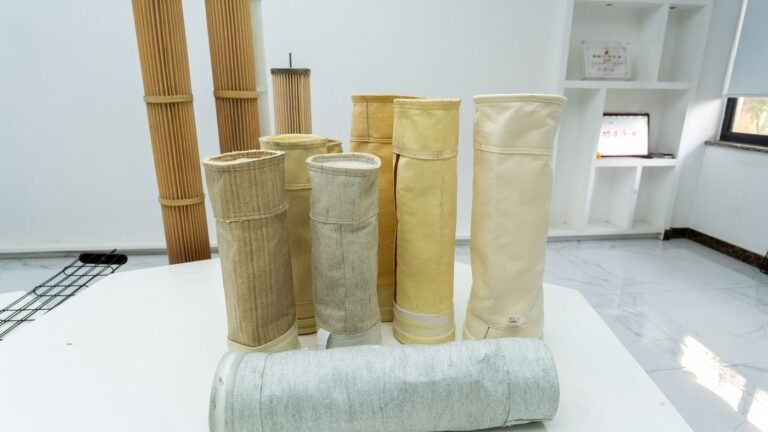
Two filter bags can share the same nominal diameter and still be wrong for the same collector. Media, finished length, top construction, bottom design and the intended application all matter.
If those details are lost between receiving, staging and installation, the resulting damage may be blamed on the bag long after the real mistake has been hidden.
A damage photograph shows what failed. Traceability helps explain which bag was installed, where it went and what else should be inspected.
FIELD EVIDENCE
A field case with more than one failure mechanism
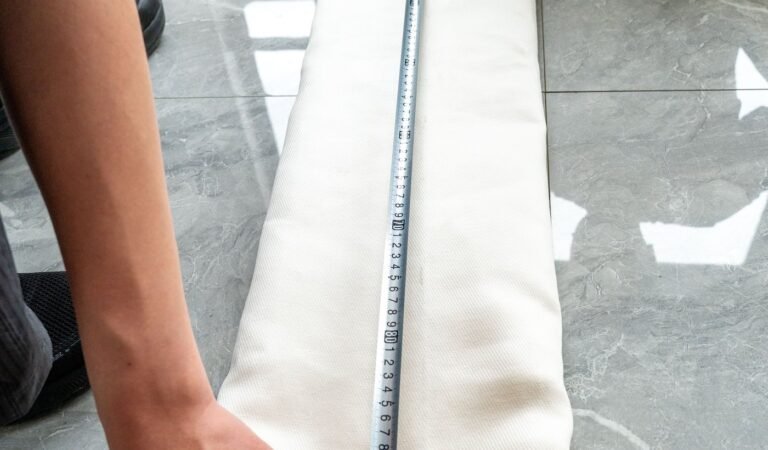
An anonymized case in our technical archive involved two filter-bag specifications used at different collection points. They shared the same nominal diameter, but the media were different and one bag was approximately 500 mm longer than the other.
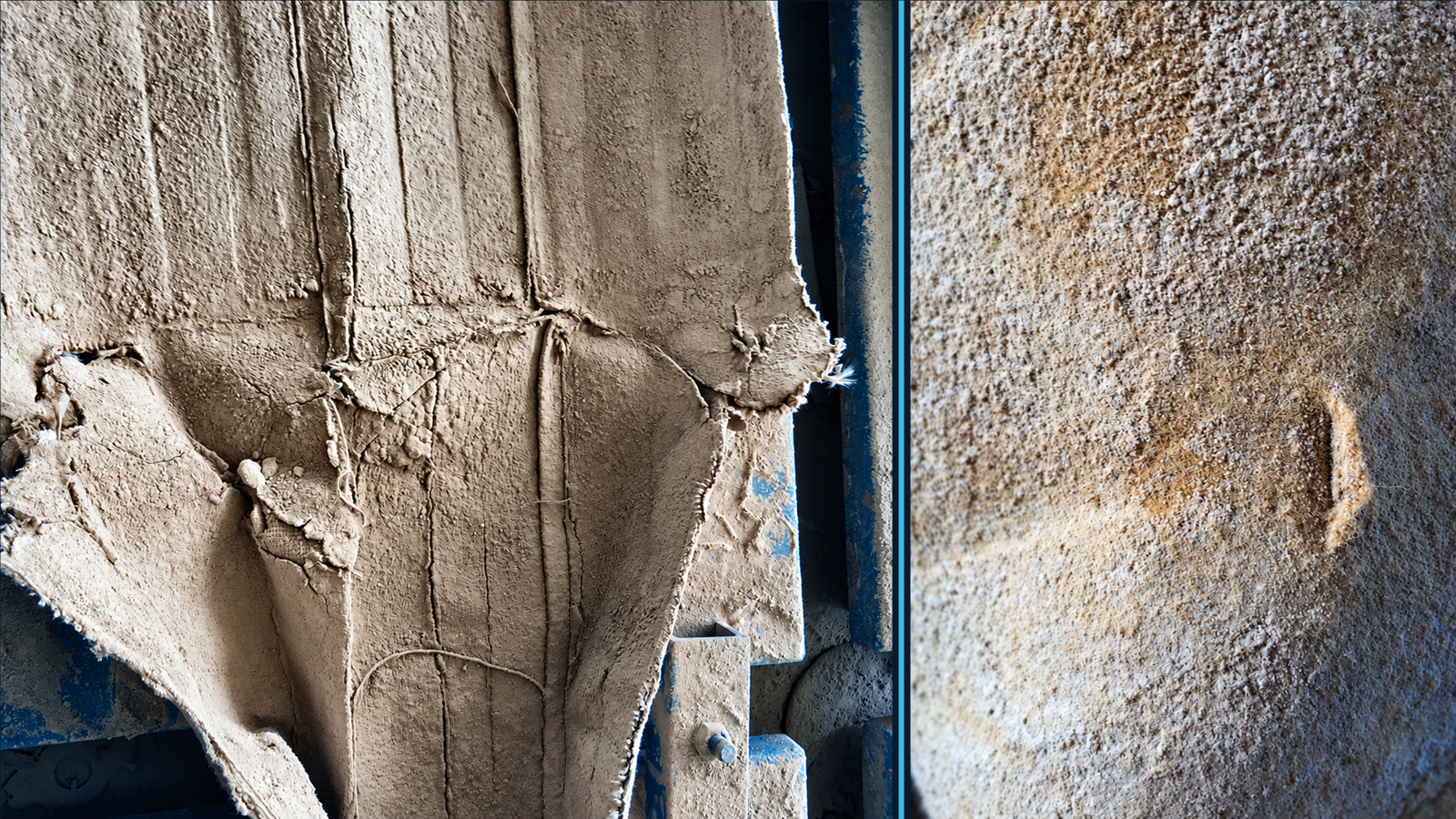
Some of the longer bags were installed in the collector intended for the shorter specification. Damage later appeared in the lower section. The important clue was not the appearance of the dust-covered bag alone; it was the combination of damage location and the installation record.
Lower-section rupture
The source linked this pattern to bags installed in the wrong application with a finished length about 500 mm longer than specified.
Localized body holes
The same inspection also found small holes associated with corroded cages, together with pulse valves that were not operating correctly.
A single inspection can contain several failure mechanisms at the same time. A lower-section rupture and a small body pinhole should not automatically receive the same diagnosis.
SPECIFICATION CONTROL
Same diameter does not mean the same filter bag
Diameter is only one interface. A replacement bag specification may also depend on the following:
| Specification item | Why it matters |
|---|---|
| Filter media and finish | Must match the gas chemistry, temperature, dust and emissions requirement. |
| Finished length | Must match the cage and collector geometry; extra or insufficient length changes support and movement. |
| Top construction | Must seat correctly in the tube sheet and match the installation method. |
| Bottom construction | Reinforcement and shape need to match the cage and expected wear zone. |
| Intended equipment | Similar-looking bags may belong to different process lines or collection points. |
| Batch and position | Connects a later inspection finding to what was actually installed. |
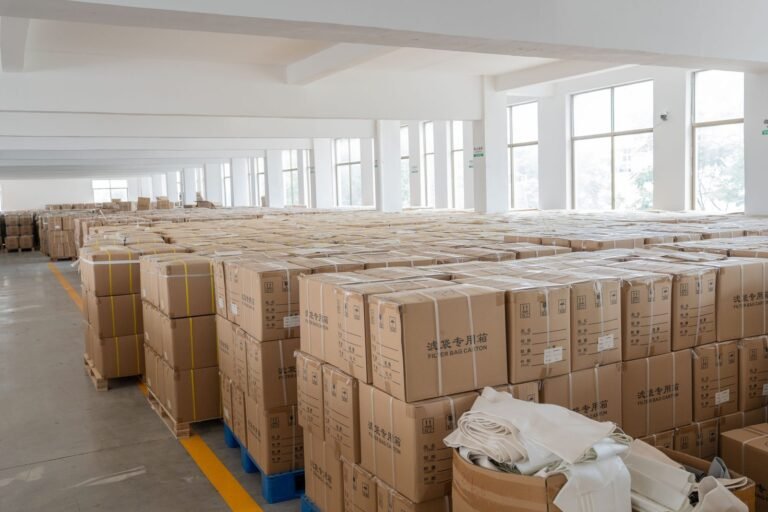
When labels are removed too early or multiple specifications are staged together, the visual differences may be too small for an installation crew to identify reliably.
MECHANICAL CONSEQUENCE
Why the wrong length changes the failure environment
A bag that is longer than the intended cage or collector arrangement does not simply hang a little lower. The mismatch changes how the fabric is supported and where it can fold, move or contact nearby surfaces. In the archived case, the wrong-length installation was associated with severe lower-section damage.
This does not mean every damaged bag bottom proves a length mismatch. Similar damage can also involve dust accumulation, local airflow, cage geometry or contact with internal components. Length is one inspection lead that should be checked against the actual bag, cage and installation record.
READ THE SIGNATURE
One site can produce different damage signatures
Wrong specification?
For lower-section rupture, compare finished bag length, cage length, installed position and nearby clearance.
Equipment condition?
For a localized body pinhole, inspect the corresponding cage wire, corrosion, burrs and weld condition.
If cleaning is inconsistent, confirm which pulse valves are operating and whether the cleaning system is behaving consistently. Treating every observation as “bad bags” erases the diagnostic value of the pattern.
INSTALLATION WORKFLOW
Build traceability into the installation workflow
Segregate
Keep applications, materials and dimensions physically separated at receiving.
Stage
Release only one specification at a time into the current work area.
Verify
Check the first bag in each chamber against the installation list.
Record
Retain equipment, chamber, row, batch and installation date.
Reconcile
Compare issued, installed, rejected and remaining quantities before closing.
An unexplained quantity difference is easier to investigate before access closes than after the collector restarts.
BEFORE CHANGING THE MEDIA
What to check when damage is found
Assemble the evidence around the failed position
- Confirm the actual bag material and finished dimensions.
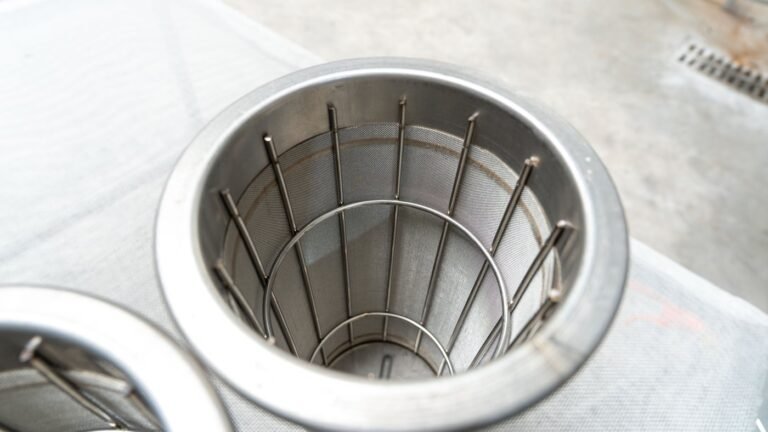
- Compare cage length, diameter, straightness, corrosion and weld condition.
- Record the chamber, row and height of the damage.
- Review installation date, batch and replacement history.
- Check whether nearby bags share the same damage pattern.
- Review cleaning-system operation and relevant process changes.
The goal is not to create more paperwork. It is to prevent a wrong-part or wrong-position problem from being misclassified as a product-quality problem—and to prevent an equipment problem from following the replacement bags back into service.
Traceability turns a replacement record into a diagnostic record
A replacement count tells the team how many bags were used. A traceable installation record connects the bag specification to the chamber, the position and the later inspection evidence.
That connection makes root-cause work faster and more defensible. It also gives purchasing, maintenance and the filter-bag supplier the same factual starting point when the next replacement decision is made.
Preparing a filter-bag replacement?
Provide the bag drawing or sample, operating conditions, cage dimensions and any available position or installation history. Pinnacle Filter can review the finished-bag construction and application requirements before quotation.
Technical basis: anonymized field records in the supplied product-material archive. The case details are documented; the general troubleshooting framework is practical analysis. Confirm all suspected causes on the specific collector and follow the plant’s safety and maintenance procedures.