Filter Bag Air Permeability vs Pressure Drop: How to Compare Media
Filter bag air permeability measures airflow through clean media under specified test conditions. It is useful for comparing fabrics, but it does not predict how a cement-plant baghouse will perform after months of dust exposure. A purchasing decision needs both the laboratory specification and evidence from comparable operating conditions.
The practical question is not simply which fabric passes the most air when new. It is which suitable filter construction can maintain the required airflow and emissions performance as dust accumulates and cleaning continues.
What filter bag air permeability actually tells you
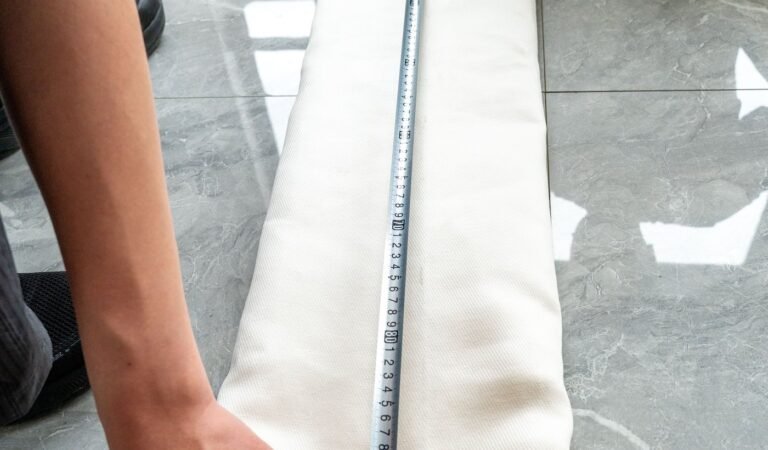
An air-permeability specification expresses airflow through a defined area of material at a stated test pressure difference. The pressure condition is part of the result, not an optional detail.
For example, a value reported in L/dm²/min at 200 Pa describes a material test. The 200 Pa is the pressure difference used during that test; it is not a prediction of the pressure drop of a complete baghouse.
Before comparing two quotations, check that the test pressure, units, test method and specimen condition match. Also establish whether the value applies to the finished membrane laminate, the underlying fabric, or a used specimen. Otherwise, apparently precise numbers can describe different things.
Compare specifications without confusing them with field results
A lower clean-media permeability is not, by itself, evidence that a membrane filter will perform worse in service. Equally, adding a membrane is not proof of better operating performance. The comparison needs to account for what happens after exposure to dust and repeated cleaning.
Treat a supplier’s proposed change as a hypothesis to evaluate. Ask what problem it is intended to address, which evidence supports it, and how a trial will be assessed. A proposal and a measured result are different kinds of evidence.
Why operating pressure drop needs a separate assessment
Donaldson explains that collector differential pressure includes resistance from the clean filter media, accumulated dust and other flow restrictions between the measurement points. A rising reading therefore needs context; it is not a direct measurement of fabric permeability alone. [1]
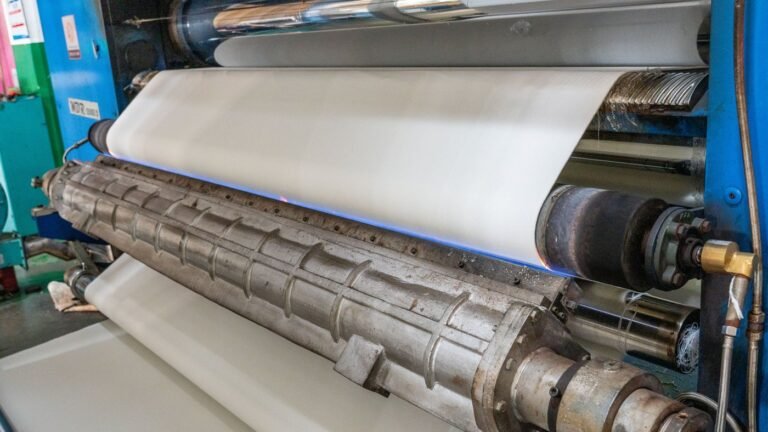
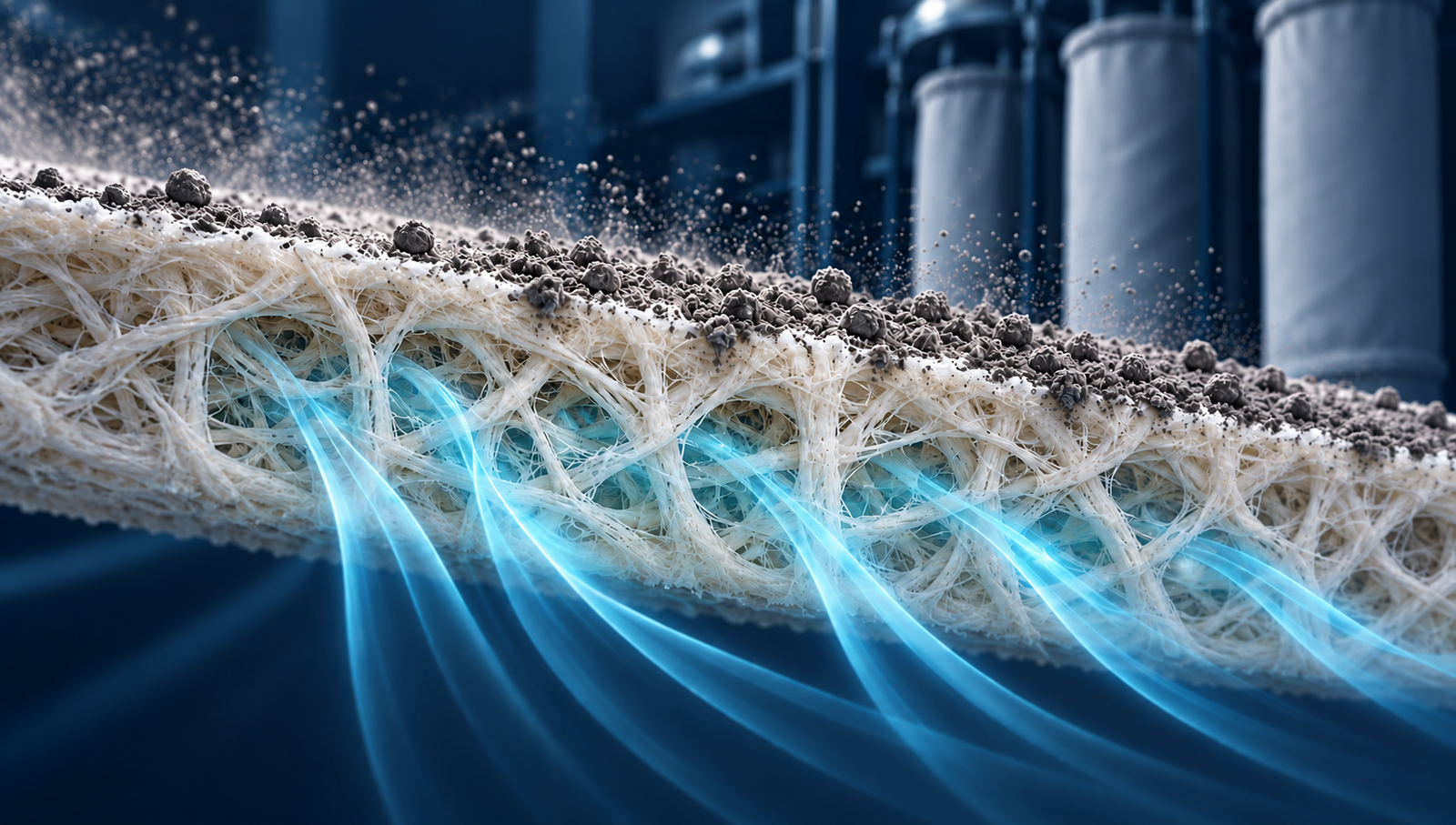
Membrane filtration aims to retain dust at the surface so that cleaning can remove it. Gore describes this mechanism in a published cement application. That supports the reason for considering a membrane, but results from a particular membrane and installation cannot be transferred automatically to another product. [2]
For a media comparison, ask for evidence at comparable airflow, dust loading and cleaning conditions. A lower pressure reading accompanied by lower airflow does not establish a better-performing filter system. Likewise, one reading immediately after cleaning does not describe performance through the full cleaning cycle.
Check operating context before comparing replacement media
Use the following evidence when comparing proposals. For a detailed troubleshooting sequence, see our high pressure-drop guide.
| Question | Evidence to collect | Decision it helps support |
|---|---|---|
| Are the readings comparable? | Instrument checks, measurement locations and operating state | Whether the pressure trend is trustworthy |
| Has the gas volume changed? | Actual airflow, fan settings and production conditions | Whether a change in flow is affecting the comparison |
| Does cleaning restore pressure consistently? | Pressure before and after cleaning, cycle timing and system condition | Whether cleaning performance needs investigation |
| Is moisture involved? | Temperature and moisture records, shutdown history, compressed-air condition and deposits | Whether the supplier’s blinding explanation fits the evidence |
| Are the bags and their support system intact? | Inspection photographs, leak findings and bag/cage condition | Whether mechanical problems also need correction |
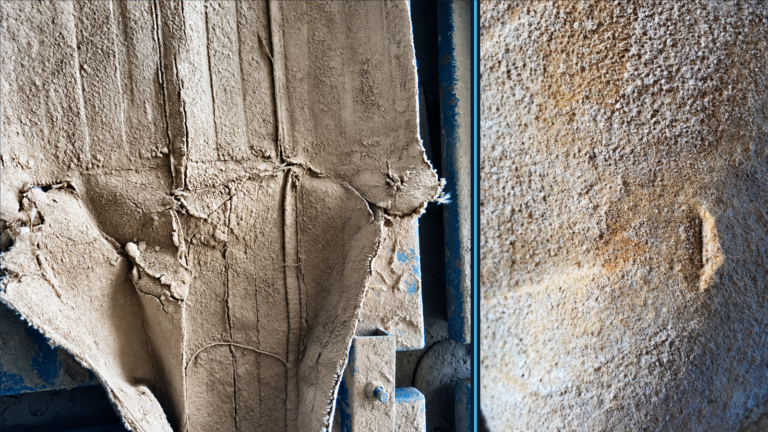
Moisture deserves particular attention when deposits become adhesive. Donaldson notes that moisture in pulse lines can promote dust adhesion and raise differential pressure. [3] That makes compressed-air condition one investigation point; it does not establish the cause of every high-pressure problem.
A membrane proposal should therefore sit alongside a review of operating conditions. It should not be treated as proof that moisture, temperature or cleaning problems can be left unresolved.
For the broader membrane-selection decision, read when PTFE membrane filter bags are worth the cost.
What to request in a filter-media proposal
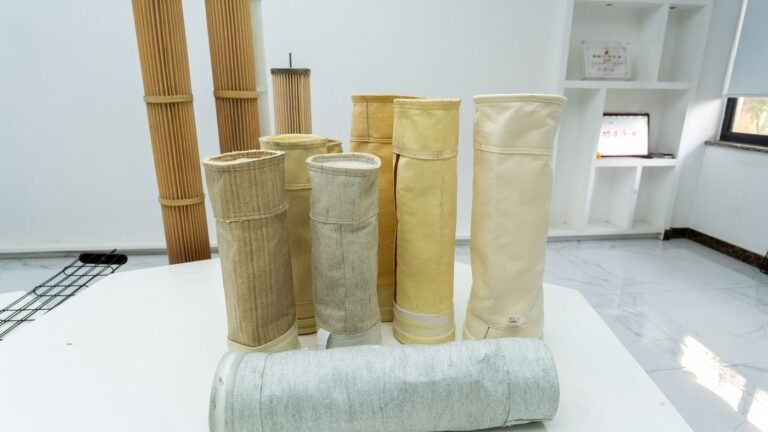
A useful proposal should identify the complete construction: fiber blend, supporting scrim, surface treatment, membrane where applicable, and finished-bag details. A material name alone is insufficient to compare two products.
Ask the supplier to separate three kinds of information:
- Specification: What is stated for the new material, under which test conditions?
- Operating evidence: What has been measured in a relevant application, and under which conditions?
- Commitment: What performance is being offered for this installation, and what operating limits and acceptance criteria apply?
This separation prevents a nominal specification from being presented as a field result. It also prevents a guarantee written for one historical contract from being assumed to apply to a new supply.
For any trial, agree in advance how airflow, differential pressure, outlet dust concentration and cleaning behavior will be recorded. Compare equivalent operating periods and document changes in production or process conditions. The objective is evidence that the proposed construction works for the actual duty, rather than a favorable isolated reading.
Prepare a useful selection request
When requesting a filter-bag review, provide the current media specification, bag dimensions, airflow, temperature range, pressure trend and cleaning settings. Include photographs of deposits or damaged bags and explain when the problem began.
If available, add moisture information, outlet dust measurements and a history of shutdowns or process changes. These details help a supplier distinguish a material-selection question from an operating or mechanical problem.
For an overview of material choices, see the filter bag materials guide. To discuss a particular duty, send your operating information to Pinnacle Filter.