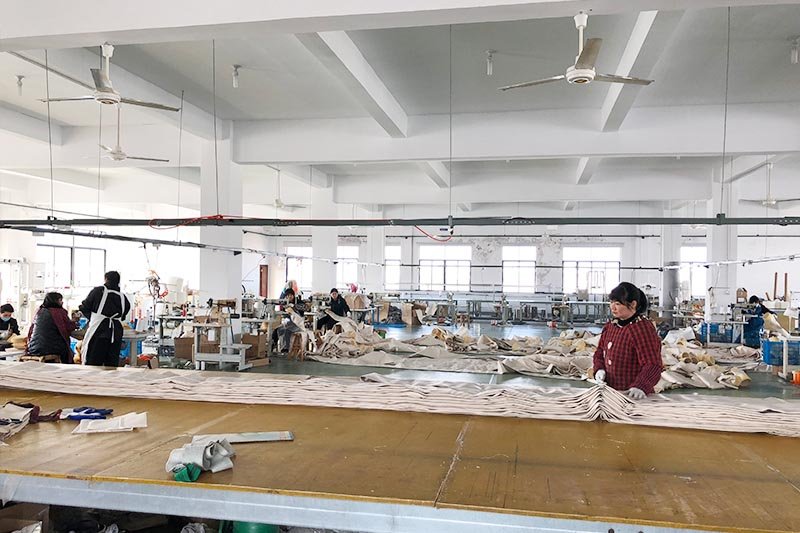
Pinnacle Filter Optimizes P84 (Polyimide) Solutions for Challenging Industrial Kiln Emissions
P84 polyimide filter bags are considered for some demanding kiln applications where fine-particle capture, temperature and dust release need closer review. This project note explains the checks behind that selection: gas conditions, dust behaviour, cleaning design and finished bag construction all affect suitability.
P84 polyimide filter bags: reviewing fine-dust duties
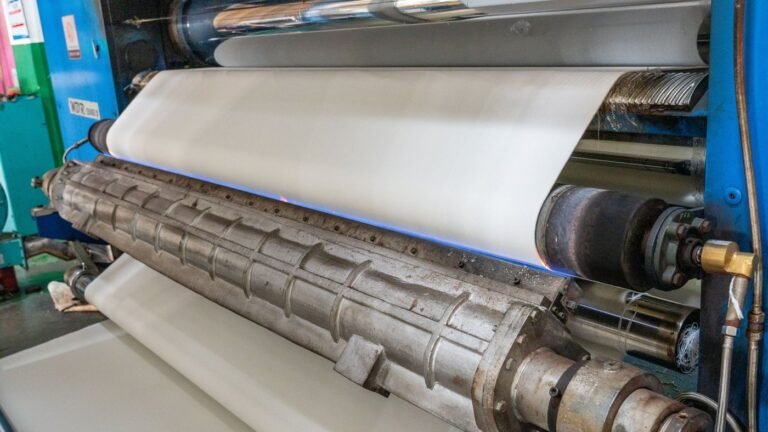
P84 is a polyimide fiber commonly reviewed for high-temperature filtration and fine-dust applications. Its irregular, multi-lobed fiber geometry can provide useful filtration surface area, which is one reason it is often considered where dust capture and release behavior are important. However, fiber geometry is only one part of an industrial baghouse solution.
For a kiln or thermal-process baghouse, media selection must account for the normal gas temperature, peak events, moisture, oxygen, acid or alkaline components, dust load and cleaning method. A nominal temperature figure is not sufficient by itself to approve a filter bag for a particular process.
The Questions Behind a P84 Selection
| Selection question | Why it matters | Evidence to review |
|---|---|---|
| Is fine dust or outlet emission the central problem? | P84 is often reviewed where capture efficiency and surface behavior matter, not simply because a baghouse runs hot. | Outlet trend, dust particle behavior, current media and emission target. |
| What are the continuous and peak gas conditions? | Temperature excursions, moisture and gas chemistry can change which media and finish are suitable. | Operating history, start-up/shutdown events and available gas-analysis data. |
| How does the dust release during cleaning? | Rapid pressure-drop growth may reflect sticky dust, deep penetration, cleaning settings or surface mismatch. | Differential-pressure trend, cleaning sequence and used-bag dust cake. |
| Is the mechanical design correct? | A high-performance fabric can still fail early when cage fit, bag dimensions, seams or sealing are wrong. | Bag drawing, cage measurements, tube-sheet condition and failure photos. |
Fine Dust, Dust Release and Pressure Drop Work Together
When a system needs tighter particle control, the goal is not simply to add a more advanced fiber. The dust cake should form and release in a controlled way, while the collector maintains reasonable pressure drop and cleaning performance. A membrane option, selected finish or another media construction may be more relevant than a fiber change if the main issue is surface filtration.
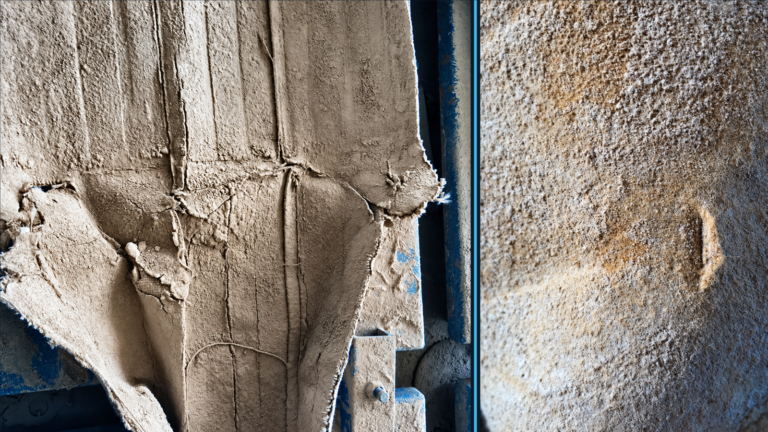
Conversely, if bags show vertical abrasion, bottom wear, torn snap bands or uneven dust loading, the first corrective action may be cage review, tube-sheet fit or airflow distribution—not a media upgrade. A useful technical review separates filtration performance from mechanical damage.
Construction Details to Confirm Before a Kiln-Bag Order
- Bag diameter and finished length measured for the actual collector and cage.
- Top style, snap band or cuff design, sealing requirement and tube-sheet fit.
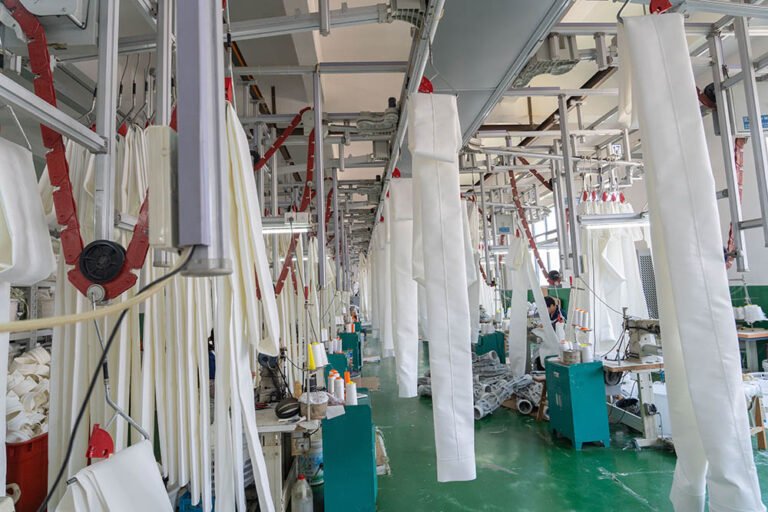
- Bottom construction, reinforcement positions, seam design and compatible sewing thread.
- Base media, weight, treatment or membrane direction matched to the operating condition.
- Cage diameter, wire count, ring spacing, weld smoothness and venturi compatibility.
A Useful Review Package Before Quotation
For an existing collector, send photos of the old bag, cage and tube sheet alongside the bag dimensions, temperature profile, dust description, cleaning method and the reason for replacement. For a new project, provide the collector drawing, design airflow, cleaning system, expected gas conditions and target emission requirements. This information makes it possible to compare P84 with other technically relevant options rather than relying on a generic product label.
Related Technical Resources
Request a P84 Material Review
Share the kiln or process conditions, bag size, temperature history, dust and gas details, cleaning method and photos of current bags. We can help review whether P84, a membrane option or another construction is the practical direction.
Next step
Continue with the industrial filter bag range
Use the product hub to compare the available industrial filter bag directions, then send your known project requirement for review.