PTFE Membrane Filter Bags: When Are They Worth the Cost?
PTFE membrane filter bags may help with surface filtration and dust release, but their value depends on the operating problem. Compare the required emissions performance, cleaning behaviour and condition of the collector before choosing an upgrade. A membrane does not correct poor fit, damaged support components or uncontrolled condensation.
The first question is not “Do you want membrane?” The better question is: what problem are we trying to solve?
Where PTFE membrane filter bags may help
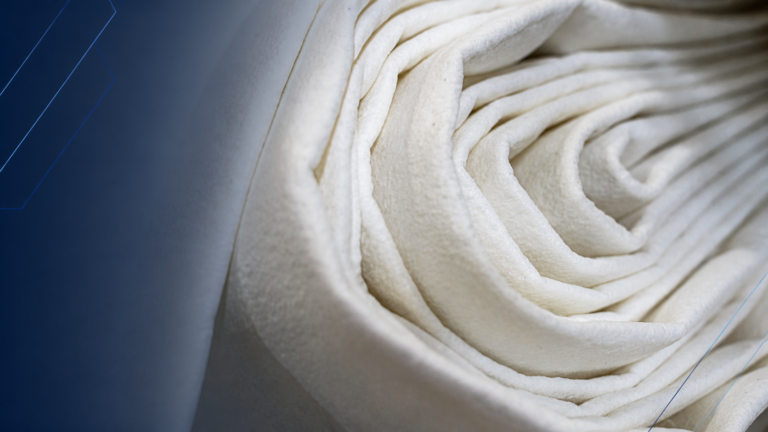
PTFE membrane makes most sense when dust should stay on the surface of the bag instead of loading deep into the felt. Fine powder, sticky dust, strict outlet emission targets and rising pressure drop are the situations where membrane is often worth reviewing.
It can also help when the plant wants a cleaner dust cake release during pulse cleaning. But the cleaning system, air-to-cloth ratio and bag fit still decide the final result.
| Operating sign | Why membrane may help |
|---|---|
| Fine dust emission is difficult to control | Surface filtration can reduce particle penetration into the base media. |
| Pressure drop rises quickly | A smoother surface may release dust cake more easily. |
| Dust is sticky or difficult to clean | Membrane plus a suitable finish may reduce dust holding. |
| Bag life is short but fabric is not chemically destroyed | The issue may be filtration behavior rather than base fiber failure. |
Where PTFE Membrane Does Not Solve The Real Problem
Membrane will not make a weak base media survive a temperature or chemical condition it cannot handle. If the gas is too hot, too wet, too acidic, or the cage is cutting the bag, the membrane layer is not the main solution.
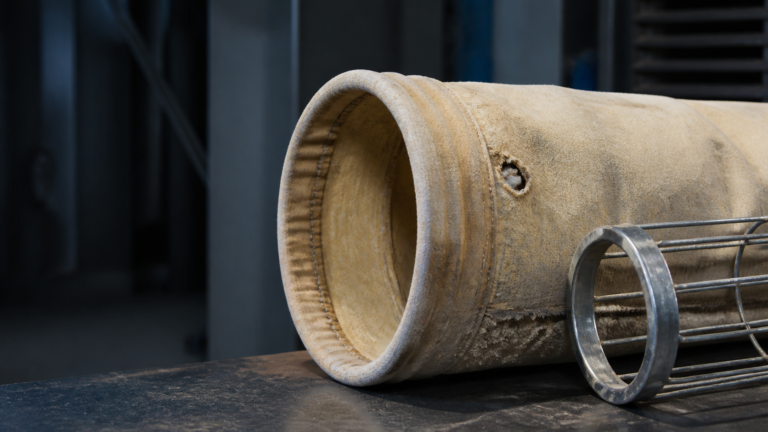
For example, a polyester bag with membrane can still hydrolyze in hot moisture. A bag with poor top sealing can still leak dust around the bag mouth. A rough filter cage can still scrape the bag body even if the surface filtration is good.
The Base Material Still Matters
PTFE membrane can be laminated on different filter fabrics, but the base media carries the temperature and chemistry. Polyester, PPS, aramid, fiberglass and PTFE felt do not behave the same. The right combination depends on gas temperature, oxygen, acid gas, moisture and dust abrasion.
A permeability figure for the base fabric does not necessarily describe the finished membrane laminate. See how to compare air-permeability specifications and pressure-drop evidence before evaluating quotations.
What To Check Before Choosing Membrane
- Outlet emission target and current pressure drop trend.
- Dust particle size, stickiness and moisture level.
- Continuous and peak temperature.
- Gas chemistry, including acid or alkali risk.
- Cleaning pressure, cage condition and bag fit.
Next step
Review fit and operating conditions
If temperature, dust, moisture, gas chemistry or dimensions are incomplete, review the operating conditions before choosing a material.