High-Temperature Fiberglass Blended Media Shipped to Steel & Metallurgy Plant for High-Output Furnace Systems
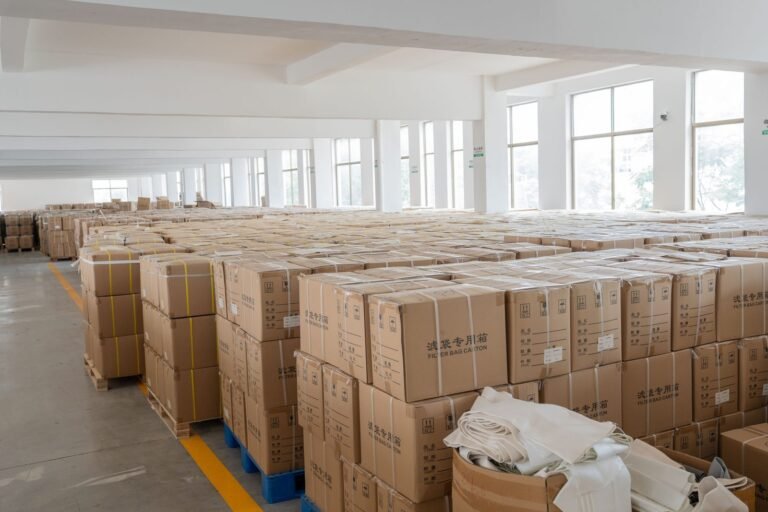
This fiberglass blended filter media shipment was prepared for a steel and metallurgy baghouse where temperature, abrasive dust and dust release were part of the selection discussion. The project used a fiberglass-blended FMS direction. The selection lesson is to confirm the operating condition and collector construction together, rather than rely on a heat rating alone.
Fiberglass blended filter media: the project selection context
Steel and metallurgy dust collection can combine thermal cycling, abrasive particles, changing gas conditions and mechanical stress from pulse cleaning. A bag that appears suitable on a maximum-temperature line item can still have a short service life if the actual condition includes sharp temperature excursions, rough cages, poor inlet distribution, moisture events or a mismatched surface finish.
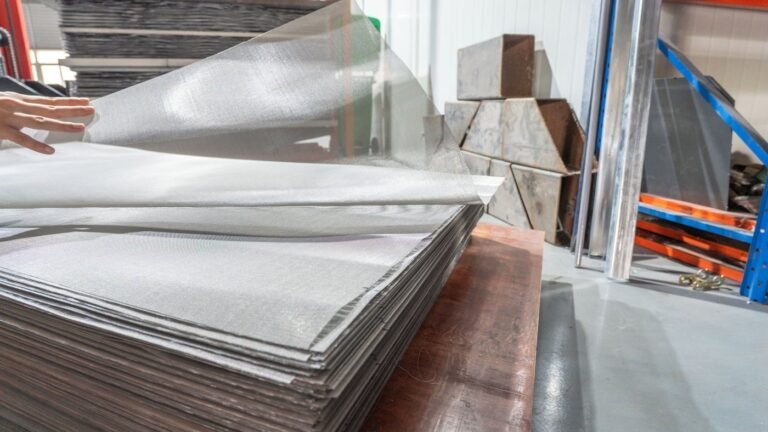
For this project, the review focused on keeping the bag dimensionally stable in a demanding duty while considering abrasion resistance and dust-release behavior. Fiberglass can provide a stable base for higher-temperature service, while FMS constructions can combine fibers and finishes for a defined application. The exact construction must still be selected for the real gas, dust and cleaning conditions.
What Was Reviewed Before Production
| Technical input | Why it matters for a high-temperature baghouse | What to confirm |
|---|---|---|
| Continuous and peak gas temperature | Short peaks and normal operating temperature create different risks for the media, finish and sewing construction. | Normal range, start-up/shutdown peaks and the duration of abnormal events. |
| Dust abrasion and inlet loading | Abrasive dust can damage the bag body, bottom area or cage contact points even when the fiber is heat-resistant. | Dust source, particle behavior, wear locations on used bags and inlet flow pattern. |
| Gas chemistry and moisture | Condensation, acid components or process changes can affect media choice and finishing direction. | Moisture events, dew-point risk, chemical exposure and any oil or sticky material. |
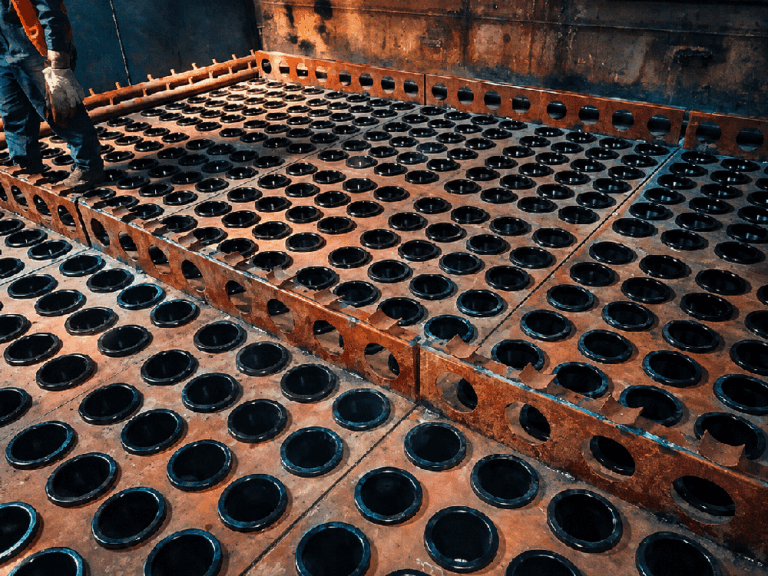
| Cleaning system and cage condition | Pulse energy and an uneven or rough cage can shorten service life through flexing and abrasion. | Collector type, cleaning pressure, cage diameter, wire finish and straightness. |
| Finished bag construction | Media performance depends on correct fit at the tube sheet, top, bottom and reinforcement points. | Diameter, length, top style, bottom design, seam direction and required reinforcement. |
Why Fiberglass-Blended FMS Media Is a Project Decision
“FMS” is not one universal filter bag specification. The fiber blend, weight, surface treatment, membrane option, sewing thread and finished construction can differ from one application to another. A fiberglass-based construction may be considered where dimensional stability and higher-temperature duty are priorities; a blend and finish are then selected to address the specific dust, cleaning and chemical environment.
Pre-Shipment Checks That Protect the Installation
For a replacement or project shipment, the technical review should continue through production and packing. The most useful checks are the ones that link the purchase order to what will be installed in the collector:
- Confirm the approved bag drawing or sample against the tube sheet and cage dimensions.
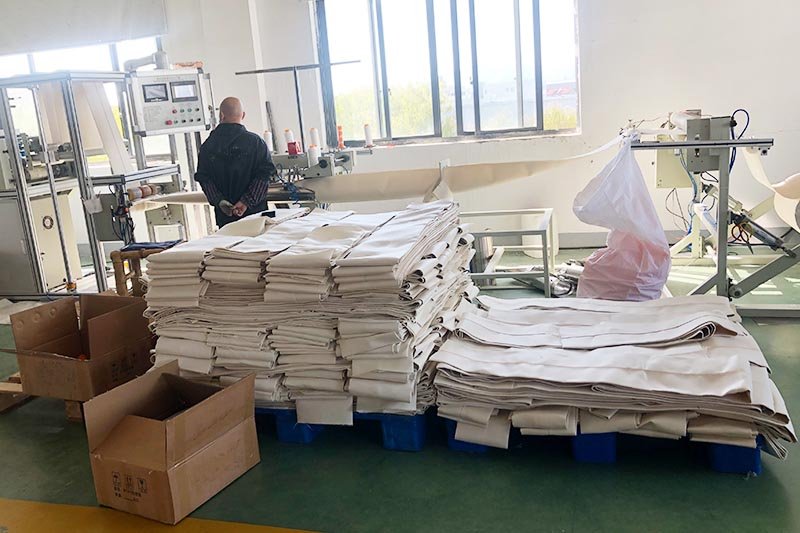
- Check finished length, diameter, top and bottom construction before packing.
- Confirm the specified media construction and required surface treatment.
- Inspect seams, reinforcements and high-stress areas appropriate to the design.
- Label and pack bags so installation teams can identify the correct configuration by collector section or order line.
Commissioning: What to Watch After Installation
Once the bags are installed, record the starting differential pressure, cleaning settings and any early outlet-dust observations. These initial values create a baseline for later troubleshooting. If pressure drop rises quickly, inspect the dust condition, cleaning sequence, moisture risk and airflow distribution before assuming the media itself is the cause.
Related Technical Resources
Request a High-Temperature Baghouse Review
Send bag dimensions, collector type, continuous and peak temperature, dust details, gas condition, current media and photos of used bags or cages. We can review a practical media and construction direction before quotation.
Next step
Continue with the industrial filter bag range
Use the product hub to compare the available industrial filter bag directions, then send your known project requirement for review.