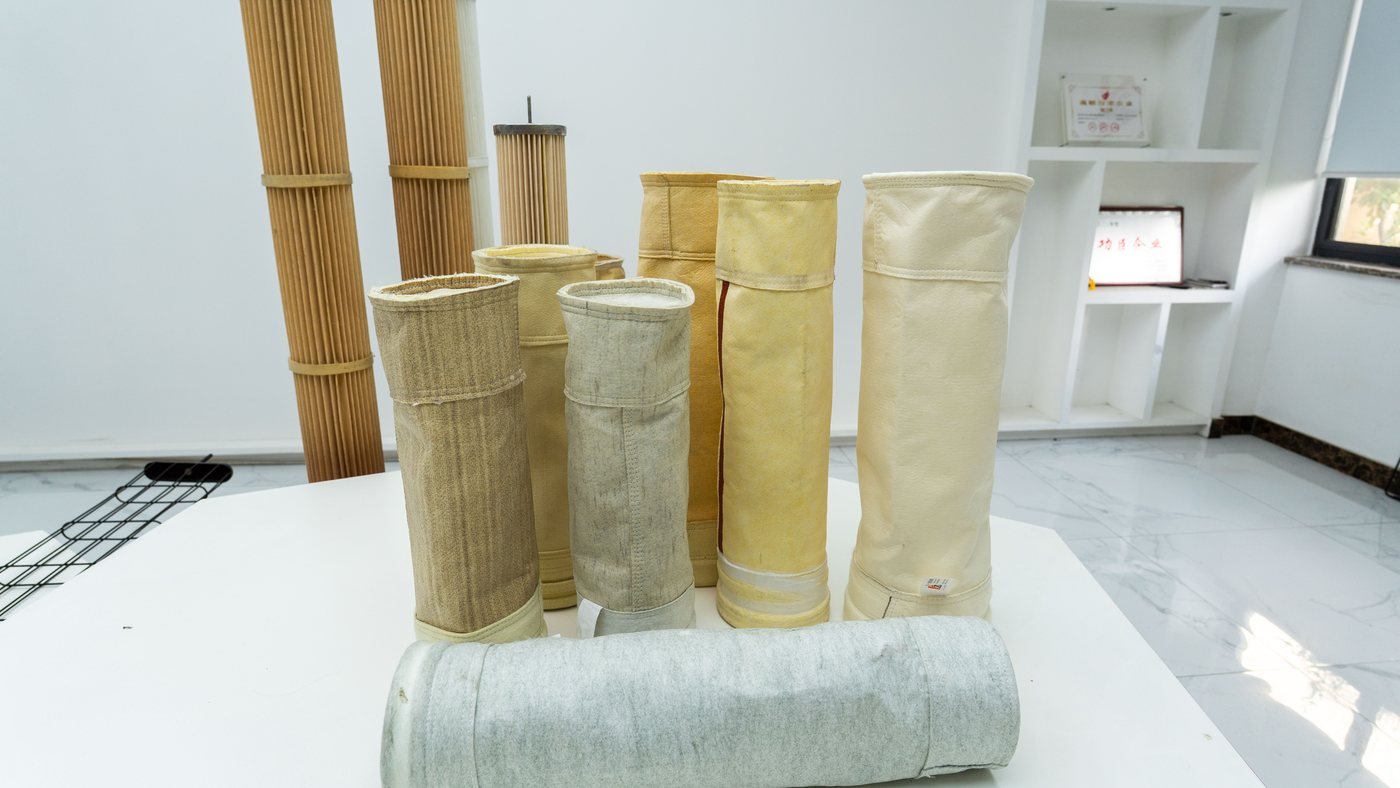
How to Choose Filter Bags by Temperature, Dust and Gas Chemistry
To choose filter bags by temperature, begin with continuous and peak conditions, then review dust, moisture and gas chemistry. Two plants requesting high-temperature bags may need different media because one handles dry mineral dust while another faces condensation or sticky deposits. The material name alone is not a complete specification.
That is why a serious material check starts from the working condition. Temperature matters, but it is only one part of the decision.
Choose filter bags by temperature, then check the other limits
Continuous temperature, peak temperature and shutdown conditions all matter. A bag may survive the normal operating temperature but fail during upset conditions, condensation or start-stop operation.
Polyester is usually for standard dry dust. PPS, aramid, P84, fiberglass, PTFE and metal fiber are reviewed when heat, chemistry or emission requirements become more demanding.
Dust Behavior Often Decides The Finish
Some dust releases easily. Some dust is fine, sticky, oily or abrasive. If the dust cake does not release well, pressure drop rises and cleaning becomes harder. A different surface finish, membrane or material construction may be more important than simply choosing a higher-temperature fiber.
Record the Operating Conditions Before Comparing Materials
| Information to record | Detail to include |
|---|---|
| Temperature history | Normal range, recorded peaks, duration and conditions during start-up or shutdown. |
| Dust description | Whether the dust appears fine, abrasive, sticky or oily; include photos where available. |
| Moisture and gas data | Available measurements, process changes and suspected condensation. Mark missing data as unknown. |
| Cleaning and performance | Collector cleaning method, pressure-drop history and when the problem first appeared. |
For definitions of the material and media options, read the filter bag materials and media guide. For the complete selection workflow, continue to the industrial filter bag selection guide.
Moisture And Acid Gas Change The Answer
Moisture can shorten the life of some fibers. Acid gas and dew point corrosion can make a bag fail even when the temperature number looks safe. For waste incineration, coal boiler, chemical powder or similar duty, gas chemistry needs to be checked before the material name is confirmed.
Do Not Ignore The Cage
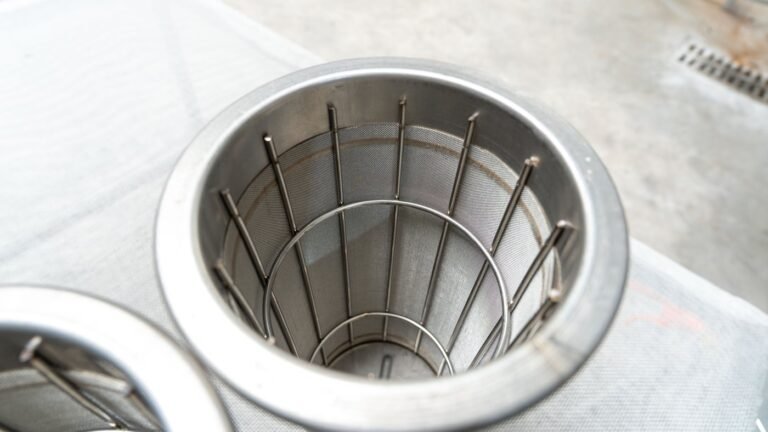
A good industrial filter bag on a bad filter cage is still a short-life bag. Cage diameter, vertical wire condition, rough welds and corrosion marks can cause abrasion, leakage and difficult installation. When removed bags fail near the seam, bottom or contact points, cage photos are useful.
Next step
Review fit and operating conditions
If temperature, dust, moisture, gas chemistry or dimensions are incomplete, review the operating conditions before choosing a material.