How to Extend Dust Collector Filter Bag Life Before the Next Replacement
Filter bag service life depends on media selection and the conditions around the installed bag. Fit, cage condition, cleaning, temperature, moisture and dust discharge all deserve review. Compare the failure history before paying for a different material, and identify which operating condition the proposed change is meant to address.
The goal is not to make a bag last forever. The goal is to avoid early failure that could have been prevented.
Filter bag service life: start with the failure history
If the current bags lasted three years, the replacement work is different from a system where bags failed after three months. Service life tells whether the old specification was basically suitable or whether the operating condition needs a deeper review.
Before changing material, record where the the removed bags failed, how pressure drop changed, whether emissions increased and whether the process changed.
Five Details That Often Extend Bag Life
| Detail | Why it matters |
|---|---|
| Correct material | Temperature, moisture, gas chemistry and dust behavior must match the media. |
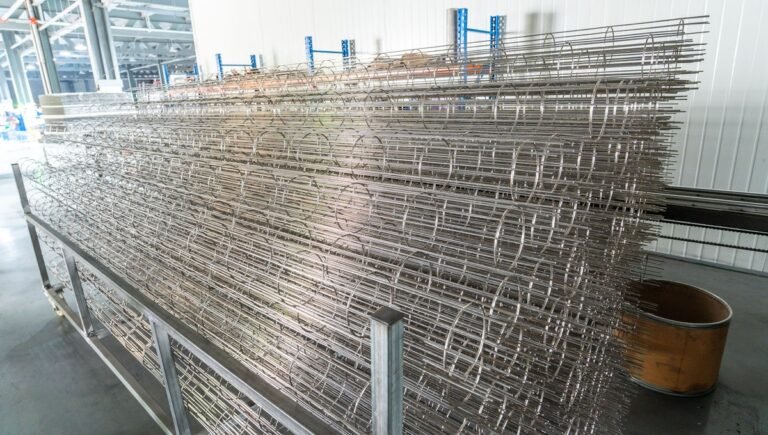
| Clean filter cages | Rough or corroded cages can destroy new bags quickly. |
| Stable dust cake | Too much cake raises pressure drop; too little cake may reduce filtration stability. |
| Suitable cleaning | Weak cleaning blinds bags; overly harsh cleaning can stress fabric and seams. |
| Good sealing | Leakage around the top can cause emissions even when the media is good. |
Installation Is Part Of Quality Control
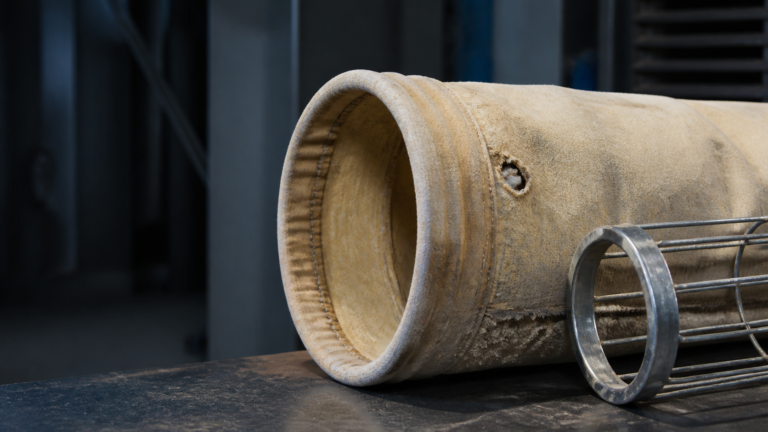
Even a well-made filter bag can be damaged during installation. Dragging bags on rough surfaces, forcing them over cages, bending snap bands or using dirty cages can shorten service life before the collector even starts.
For replacement work, it is worth checking cages, tube sheet openings and bag fit before the full batch is installed.
When A Material Upgrade Makes Sense
A filter-material upgrade is useful when the failure history points to a real material limit: higher temperature, moisture, acid gas, fine dust emission, sticky dust or abrasion. It is less useful when the main issue is installation damage, poor sealing or a bad cage.
Next step
Prepare a replacement bag RFQ
If you have an old bag, drawing, sample or measured dimensions, use the replacement route to confirm construction before quotation.