Industrial Filter Bag Manufacturers: A Buyer’s Checklist for Comparing Suppliers
Comparing industrial filter bag manufacturers starts with a common specification. Bag diameter and length alone do not define an equivalent offer: gas temperature, moisture, chemistry, dust behaviour, cleaning method, cage condition and tube-sheet fit all affect the finished bag requirements.
This guide is for buyers of industrial dust collector and baghouse filter bags. It does not rank suppliers or claim that one company is universally “best.” Instead, it provides a practical way to compare any potential manufacturer or supply partner on the evidence that matters before an order is placed.
Quick takeaway: DOCUMENTED SPECIFICATION A reliable supplier should be able to document why a proposed media, finish and bag construction suit the actual collector – not merely repeat the material name from the previous order.
SCOPEComparing industrial filter bag manufacturers: define the scope
The phrase industrial filter bag can describe two quite different product groups:
- Dry filtration / dust collection: textile bags used in pulse-jet, reverse-air, shaker and other baghouse systems.
- Liquid filtration: bags used for process liquid, paint, food, chemical or water filtration.
Their media, construction, performance tests and purchasing criteria are not interchangeable. This article focuses on dry industrial dust collection, including replacement bags and matched cages for cement, steel, power, asphalt, chemical powder, waste-to-energy and similar applications.
BUYER CHECKLISTThe 12-point manufacturer comparison checklist
Use the questions below with every shortlisted supplier. Ask for documents, drawings, photos, samples or a written specification where appropriate. A clear answer is more useful than a long marketing brochure.
| What to compare | Ask the supplier | Evidence to request |
|---|---|---|
| 1. Operating-condition review | What temperature, moisture, gas chemistry, dust behaviour and cleaning method were used to select the media? | Completed RFQ or selection summary |
| 2. Media specification | What is the fiber, fabric construction, weight, thickness, permeability and surface treatment? | Product data sheet and sample identification |
| 3. Temperature basis | Is the temperature rating continuous, short-term peak or a general material reference? | Written rating with stated conditions |
| 4. Chemical and moisture risk | How were acid gas, alkali, oxidation, hydrolysis, oil mist or condensation considered? | Application notes and operating assumptions |
| 5. Finished bag construction | What are the exact diameter, length, top, bottom, seam, reinforcement and thread details? | Dimension drawing or approved sample |
| 6. Cage and tube-sheet fit | Has the bag been reviewed together with cage diameter, venturi, ring spacing and tube-sheet connection? | Cage drawing, measurement sheet or photos |
| 7. Surface filtration direction | Is membrane, singeing, calendering, water/oil repellent or anti-static treatment recommended? Why? | Finished-media specification |
| 8. Inspection and traceability | How are fabric rolls, cutting, sewing, dimensions and packing checked? | Inspection points, labels or batch records |
| 9. Sampling | Can a sample or first-article bag be confirmed before the full run? | Sample approval process |
| 10. Quotation comparability | Does the quote state the complete construction, not only “PPS bag” or “polyester bag”? | Itemized technical quotation |
| 11. Packing and export readiness | How will bags be protected from deformation, moisture and mixed sizes during shipment? | Packing plan, labels and export documents |
| 12. Problem follow-up | If the old bags failed early, will the supplier review the damaged bags and probable cause before repeating the order? | Photo-review or technical-response process |
OPERATING DATA1. Start with the real operating condition – not the old material name
“We currently use PPS” or “the old bags were fiberglass” is useful background, but it is not a complete specification. Two bags with the same base fiber may have different fabric weights, finishes, membrane structures, sewing thread, top design and cage fit. Those differences can change dust release, pressure drop, sealing and service life.
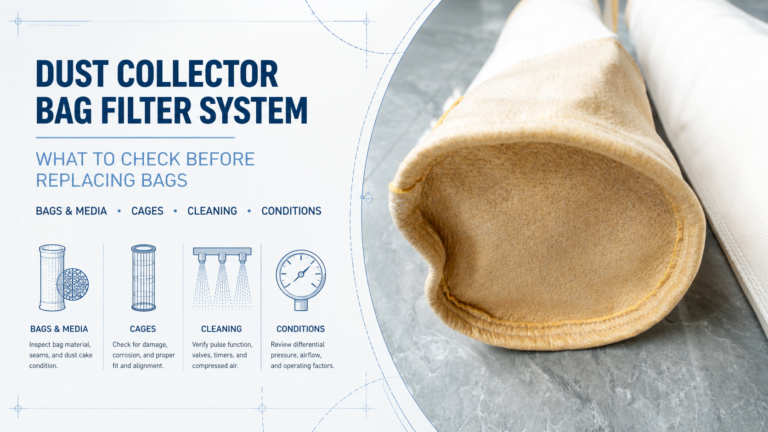
Before seeking quotations, collect the normal and peak gas temperature, dust type, moisture or condensation risk, gas chemistry, cleaning method, collector type and the symptoms that triggered the replacement. If bags failed early, include photos of the top, body, bottom, seams, cage and tube-sheet area.
For a deeper media review, see Dust Collector Filter Bag Materials and Media: A Practical Guide.
MEDIA SPEC2. Ask for a complete media specification
A material label alone is too broad for a fair comparison. A usable quote should identify the base fiber or fabric route, nominal weight, thickness, air-permeability direction, surface finish and any membrane, antistatic or water/oil-repellent treatment.
The supplier does not need to promise a universal bag life. In fact, a responsible supplier should state the conditions behind its recommendation. Moisture, oxygen, acid gases, alkaline dust, temperature excursions and cleaning energy can change the safe operating window significantly.
BAG DESIGN3. Separate fabric selection from finished-bag design
The best media can still fail when the finished bag does not fit the collector. Confirm these details before production:
- body diameter or flat width and finished length;
- top construction, such as snap band, cuff, flange, cord or cap;
- bottom construction and reinforcement;
- seam position, thread and stitch direction;
- grounding or conductive details where the system design requires them;
- cage diameter, length, venturi and tube-sheet-hole fit.
This is especially important for replacement orders, where a small difference in snap-band dimensions or cage condition can cause leakage, installation difficulty or abrasion. Use this replacement-bag order checklist to prepare the information before requesting a quote.
SYSTEM FIT4. Treat the bag, cage and tube sheet as one assembly
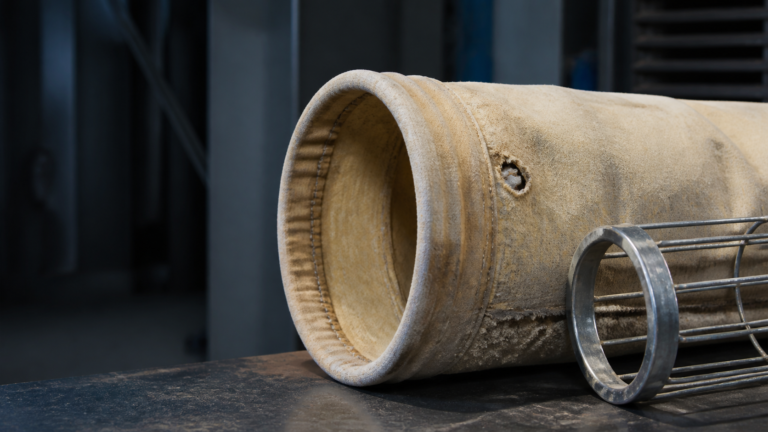
When a filter bag develops polished vertical wear, holes, broken seams or top damage, the media is often blamed first. However, rough cage welds, corrosion, bent wires, incorrect diameter or a poor tube-sheet connection may be the underlying cause.
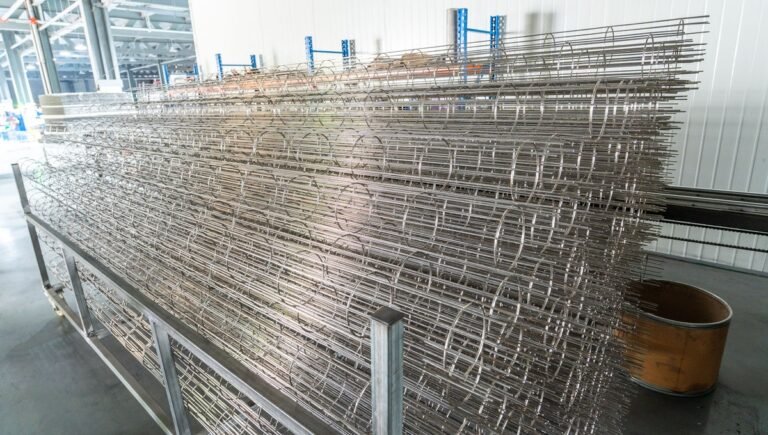
Ask whether the supplier can review cages together with the bags. A cage inspection should consider wire condition, ring spacing, weld smoothness, surface coating, venturi fit and the overall dimensions. Replacing bags over damaged cages can simply reproduce the same failure pattern.
QUOTE REVIEW5. Compare the quote line by line
The lowest quotation is meaningful only when the product being quoted is the same. Build a simple comparison sheet and enter each supplier’s stated values for:
- media and finish;
- basis weight and thickness;
- bag dimensions and construction;
- cage specification, if included;
- quantity, sample requirement and inspection scope;
- packaging, lead time, shipping terms and documentation.
If one supplier quotes a membrane-laminated construction with defined dimensions and another quotes only “PTFE filter bag,” the two offers are not yet comparable. Resolve the technical differences before comparing unit prices.
ACCOUNTABILITY6. Verify capability without assuming a supplier must own every process
Some projects are supplied by a single factory; others are coordinated through specialist manufacturing partners. Either model can work when responsibilities are clear. The question is not only “Do you own the factory?” but also:
- Who controls the media specification, cutting, sewing and final inspection?
- Who confirms the drawing and sample before the production run?
- Who is accountable for the technical response if there is a fit or performance issue?
- Can the supplier show relevant production, inspection and packing evidence?
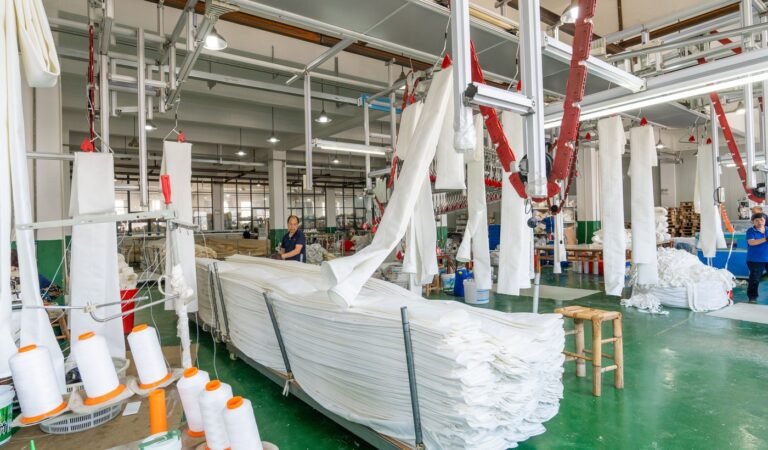
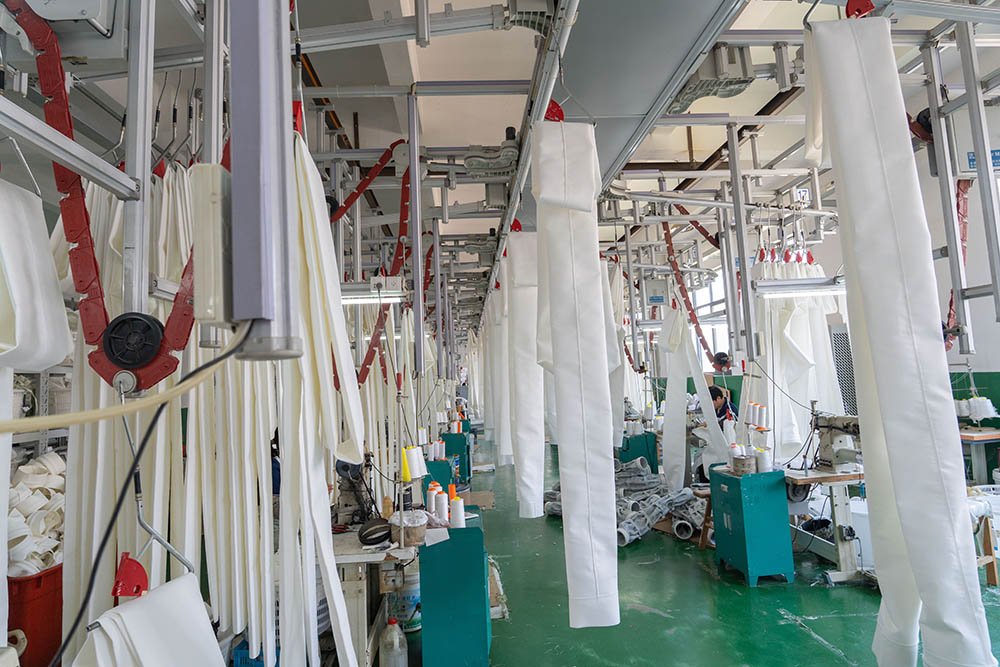
A trading partner can add value through engineering coordination, communication and export execution. A manufacturer can offer direct production control. Buyers should ask each supplier to state its role plainly rather than infer capability from a logo, a product photo or a certification badge.
QUALITY EVIDENCE7. Check quality evidence, not just certificates
Certificates can be relevant, but they do not replace product-specific verification. For the bags being ordered, ask what will actually be checked and recorded. Depending on the project, that may include material identification, dimensions, top construction, seam condition, quantity, packing and batch labels.
For critical replacement work, a signed drawing, approved sample and pre-shipment photo set are often more useful than a generic quality statement. They give the buyer a shared reference for what will arrive at site.
SAMPLE APPROVAL8. Use a sample to remove ambiguity
When a construction is new, dimensions are uncertain or the old bags failed prematurely, a sample can prevent an expensive mistake. The sample should be compared with the cage and tube-sheet connection where possible. Confirm the top and bottom construction, length, seam position, finish and label before authorizing a full run.
This is not unnecessary delay. It is a controlled way to find a mismatch before hundreds or thousands of bags are produced and shipped.
TECHNICAL REVIEW9. Evaluate technical support by the questions the supplier asks
A supplier that immediately recommends a material without asking about temperature, moisture, chemistry, dust and cleaning may be quoting a familiar product rather than solving the application.
Useful technical questions include:
- What are the normal and peak gas temperatures?
- Can condensation occur during startup, shutdown or low load?
- Is the dust abrasive, sticky, fine, fibrous, oily or combustible?
- What cleaning mechanism and pulse-air conditions are used?
- Is pressure drop rising, are emissions leaking, or are bags wearing in one location?
- Are cages corroded, bent or rough?
- Is a drawing, sample or removed bag available?
The answers help determine whether a like-for-like replacement is appropriate or whether media, finish, construction, cage or operating conditions should change.
RFQ TEMPLATEA practical RFQ template
Include the following information in a request for quotation to make the responses technically comparable:
Collector type and cleaning method:
Industry and process:
Normal / peak gas temperature:
Moisture, condensation or oil-mist risk:
Known gas chemistry:
Dust type and behaviour:
Current bag material and failure pattern:
Bag diameter / flat width and finished length:
Top and bottom construction:
Cage dimensions, venturi and tube-sheet connection:
Quantity, delivery location and required date:
Photos, drawing or removed-bag sample available:
PROJECT SUPPORTWhat Pinnacle Filter can provide
Pinnacle Filter coordinates technical review, production and export support through long-term manufacturing partners for industrial dust collection projects. The process can include review of operating conditions, material and finish direction, confirmed bag construction, matched cage details, production coordination and export-ready packing.
That role is deliberately transparent: the right solution is not a universal “best bag,” but a documented specification that matches the application. Buyers can send operating data, a drawing or photos of removed bags for a starting review. Learn more about Pinnacle’s manufacturing and export support.
FAQFrequently asked questions
What is the best industrial filter bag material?
There is no single best material for every baghouse. The selection depends on temperature, moisture, gas chemistry, dust properties, cleaning method and finished-bag construction. A suitable media for dry normal-temperature dust may not be suitable for acid condensation or high-temperature service.
Why can two bags made from the same fiber perform differently?
Fiber is only one part of the specification. Weight, fabric construction, surface treatment, membrane, sewing thread, bag dimensions, top design and cage fit can all affect performance.
Should cages be replaced with the bags?
Not always, but they should be inspected. Corroded, bent or rough cages can abrade new bags or prevent correct fit. A bag-and-cage review is sensible whenever damage patterns suggest mechanical wear.
How can I compare quotes fairly?
Ask each supplier to quote the same complete specification, then compare the documented media, construction, inspection scope, packing, lead time and commercial terms – not only the unit price.
Can a supplier diagnose an early bag failure remotely?
Often, photos of several representative bags, their locations in the collector, cages, tube-sheet holes and operating data can identify useful next checks. Remote review is a starting point; site safety procedures and process controls remain the plant’s responsibility.
Compare the supply scope as well as unit price. The filter bag replacement cost guide explains which bag, cage, installation and shutdown assumptions should be clarified between offers.
THE DECISIONThe decision to make before placing an order
The right industrial filter bag manufacturer or supply partner is the one that can make its recommendation understandable, comparable and traceable. Ask for the operating assumptions, the complete construction, the evidence of inspection and the process for resolving a mismatch. That approach protects the buyer more effectively than a generic “Top 10” list – and it creates a clearer path to reliable baghouse performance.
Need a comparison-ready specification? Send your bag dimensions, drawing, operating conditions or photos of used bags to start a formal filter-bag RFQ.
Next step
Continue with the industrial filter bag range
Use the product hub to compare the available industrial filter bag directions, then send your known project requirement for review.