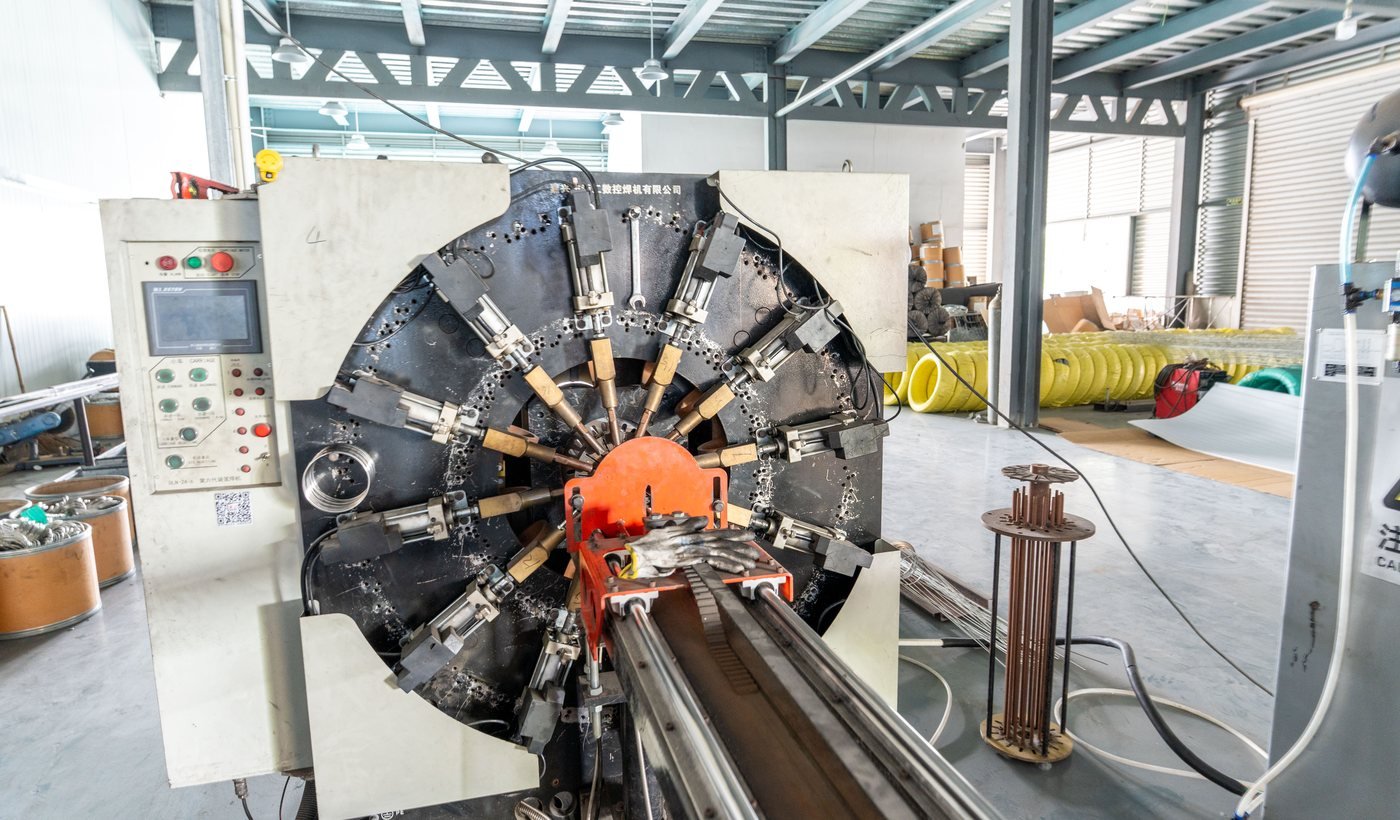
Filter Bag Cages: The Small Part That Can Ruin a New Set of Bags
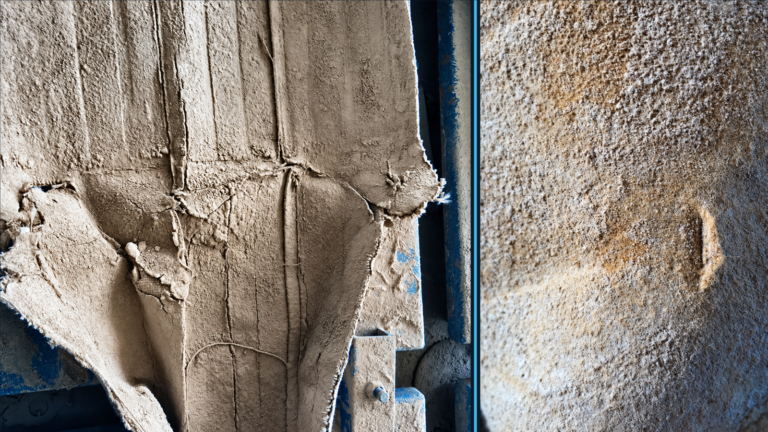
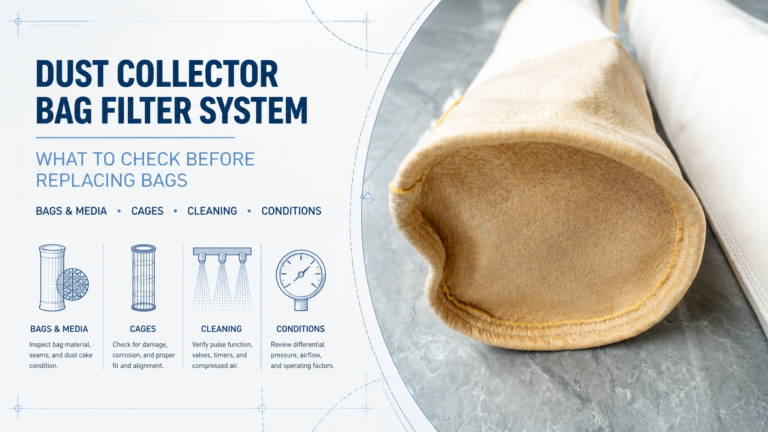
Filter bag cages can shorten the life of a new bag even when its media is suitable. A bent, rough, corroded or incorrectly sized cage can rub the fabric, damage seams and interfere with cleaning. Inspect the support and the bag together before reusing an old cage.
For replacement orders, cage review should happen before the bags are produced, not after the new bags are already on site.
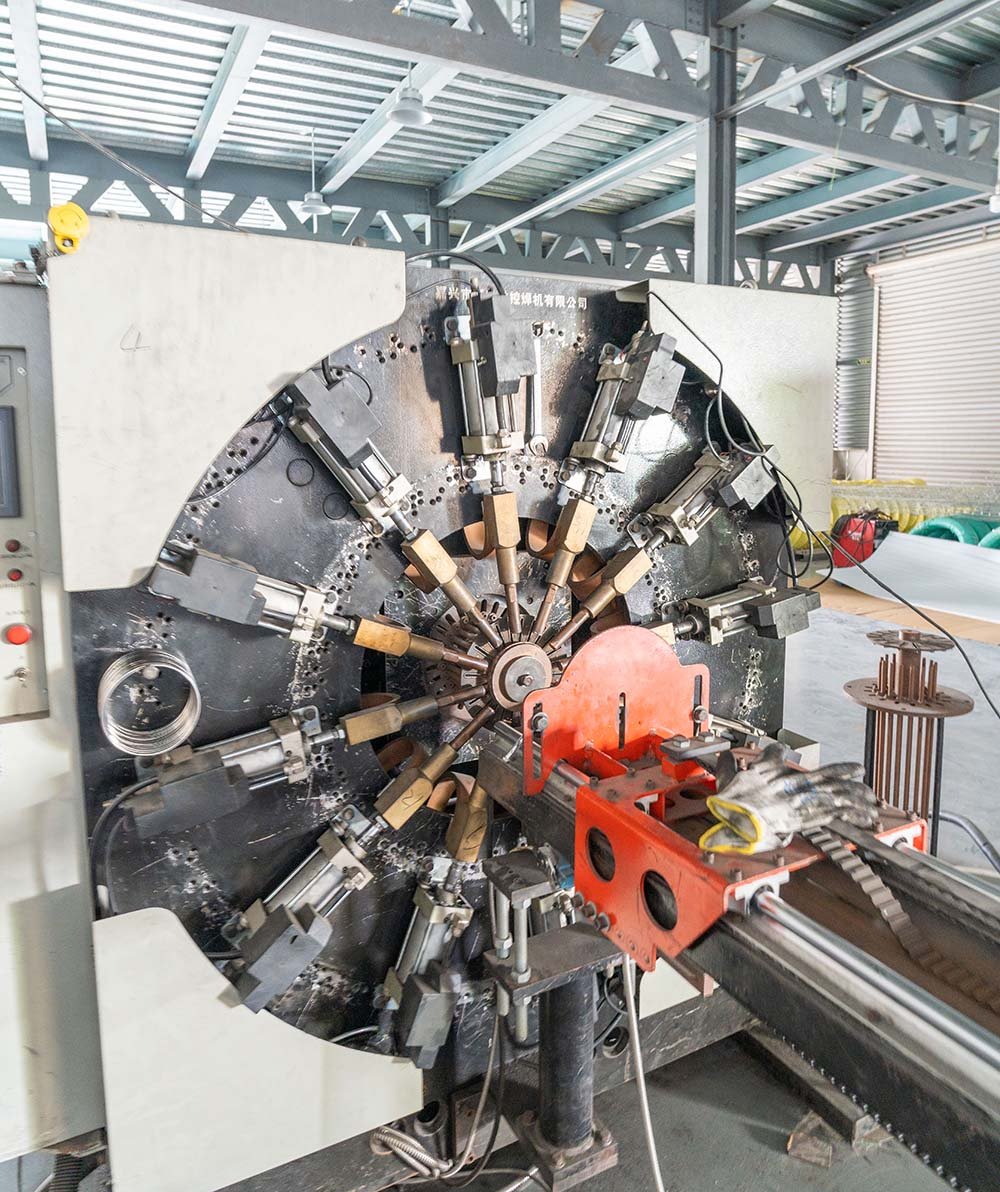
Filter bag cages: why fit matters
The cage supports the bag during filtration and cleaning. During pulse cleaning, the bag moves against the cage. If the contact surface is sharp or the cage is not straight, the fabric takes the damage first.
| Cage item | Problem if ignored |
|---|---|
| Diameter | Too large can overstretch the bag; too small can cause poor support. |
| Ring spacing | Wide or uneven spacing can create local bag movement and wear. |
| Weld condition | Sharp weld points can cut the bag under pulse movement. |
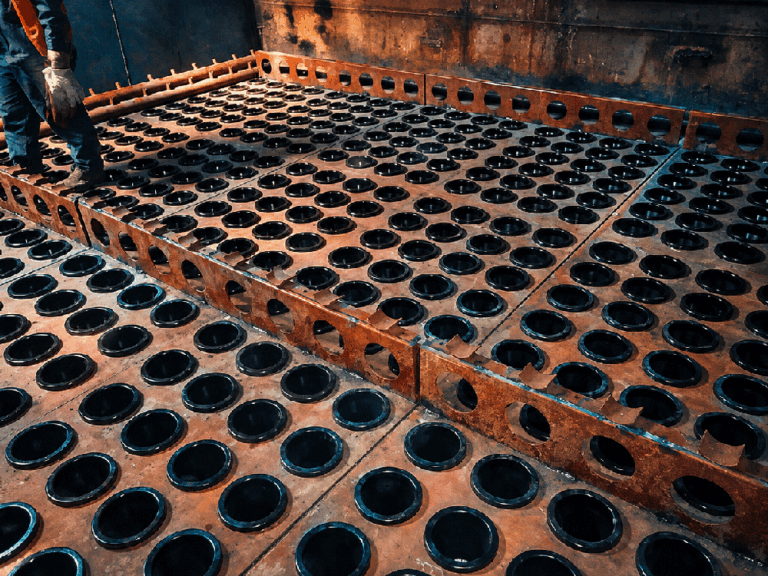
| Top design | Venturi, flange or split ring must match the bag top and tube sheet. |
| Surface finish | Corrosion or poor coating can shorten bag life. |
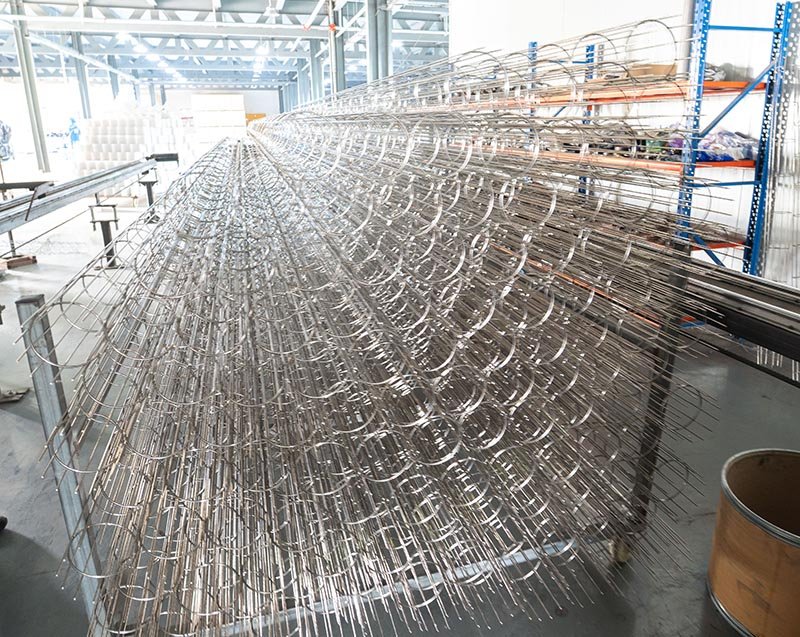
Do Not Reuse Old Cages Too Quickly
Old cages may look acceptable from a distance. Check them by hand and by measurement. Look for rust, broken wires, loose welds, deformation and rough spots. If several bags failed in the same position, the cage pattern is often part of the answer.
If corrosion or surface roughness is present, compare galvanized, silicone-coated and stainless steel filter cages against the gas chemistry, temperature and coating specification before choosing a replacement finish.
What To Send For Cage Matching
- Cage diameter and total length.
- Number of vertical wires and ring spacing.
- Top style: venturi, flange, split ring or special connection.
- Material and finish: carbon steel, galvanized steel, stainless steel or coating.
- Photos of old cages and failed bag wear marks.
Next step
Check the baghouse before changing bags
Cage fit, cleaning method, tube-sheet condition or repeated damage may affect the replacement result. Review the baghouse system first.