P84 vs PPS Filter Bags: Which Material Fits Your Dust Collector?
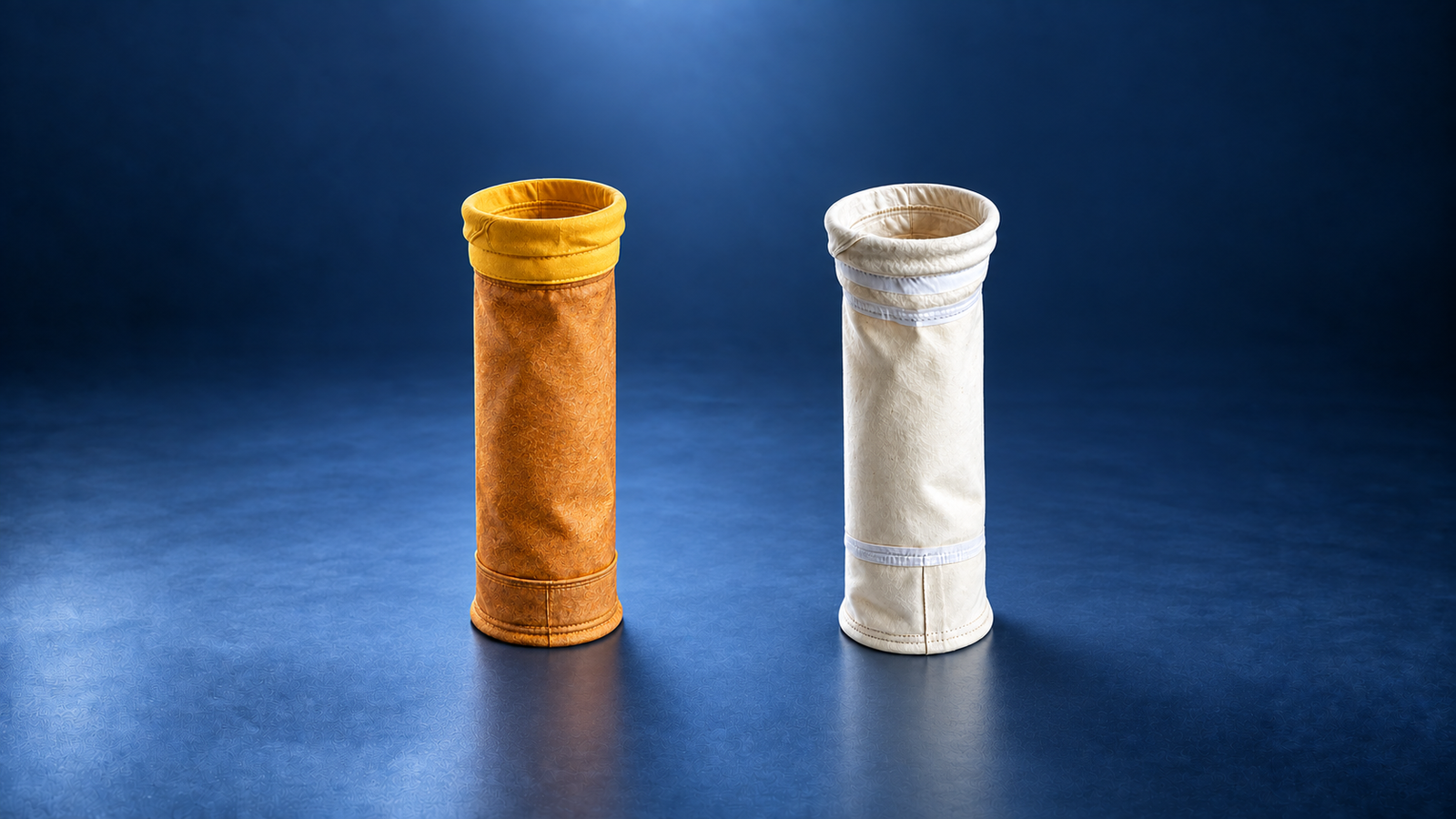
Comparing P84 vs PPS filter bags starts with the operating problem. Both materials are used in demanding dust collection, but a useful selection must consider temperature, gas composition, moisture, dust behaviour and the existing failure pattern. Confirm the proposed media construction as well as the fiber name before comparing quotations.
Short answer: P84 (polyimide) is commonly reviewed when fine-particle capture and stable outlet emissions are the central concern. PPS is commonly reviewed for coal boilers, dryers and other conditions where moisture, hydrolysis risk or acid gas make ordinary polyester unsuitable. Neither material should be selected from a material name or a single temperature value alone.
P84 vs PPS filter bags: key selection differences
| Selection question | P84 / polyimide direction | PPS direction |
|---|---|---|
| Primary filtration objective | Often evaluated for fine dust, high filtration surface area and emission stability. | Often evaluated where gas moisture, acid components and hydrolysis risk need attention. |
| Typical operating context | Fine particulate control, low-emission review, or a blended-media project. | Coal-fired boiler, industrial dryer, power or chemical-dust service after gas conditions are reviewed. |
| Important boundary | Gas chemistry, dust release and cost need to justify the material; severe corrosion may point to PTFE instead. | Oxygen exposure, actual temperature and abnormal gas events must be checked; PPS is not a universal corrosion solution. |
| Construction questions | Surface finish, membrane option, seam design, cage fit and emissions target all influence the result. | Media weight, finish or membrane, top/bottom construction and cage condition should match the replacement duty. |
When P84 May Be the Better Starting Point
P84 is a sensible comparison when the buyer’s main concern is fine particulate leakage or a difficult emission target. Its fiber geometry is often selected for filtration surface area, and it may be considered on its own or in blends when performance and cost need balancing.
That does not make P84 the automatic answer for every hot baghouse. If the removed bags show chemical attack, the flue gas has a severe corrosive component, or the dust is sticky and hard to release, the material and surface treatment need a wider review.
- Ask for the outlet-emission target and the observed leakage pattern.
- Check whether dust release and pressure drop are stable, not just initial collection efficiency.
- Confirm cage condition, bag dimensions and sealing details before treating a media change as the whole solution.
When PPS May Be the Better Starting Point
PPS is commonly reviewed where moisture and acid-gas exposure make polyester unreliable, especially in coal-boiler and dryer duties. The useful question is not simply “Is this a PPS application?” but whether the gas condition, continuous and peak temperature, oxygen level and cleaning system remain within the intended working range.
High oxygen exposure and abnormal heat can accelerate PPS aging. A brittle bag body, sticky dust cake or repeated pressure-drop rise should therefore lead to a review of the process condition, cleaning settings, finish and bag construction—not only a repeat order for the same media.
- Record moisture, oxygen and acid/alkali condition where available.
- Review whether membrane, finish or anti-static construction is needed for the dust and cleaning method.
- Use removed-bag photos to distinguish chemical aging, blinding and cage-related abrasion.
Cases Where Neither Is the Best First Answer
A P84-versus-PPS decision should not hide other workable directions. Severe chemical corrosion may require a PTFE comparison. Dry, normal dust can make polyester more economical. Where heat resistance and dimensional stability are the key problem, fiberglass may deserve review. The selection should compare total bag life, dust release, emissions, construction and replacement risk rather than material price alone.
Selection boundary: This article is a first-pass comparison, not a guarantee of suitability. The final material and construction should be confirmed against the actual operating duty and approved production specification.
Information Needed Before Quoting P84 or PPS Bags
- Continuous and peak gas temperature, plus any upset conditions.
- Moisture, oxygen and relevant gas-chemistry information.
- Dust type, particle behaviour, abrasion and stickiness.
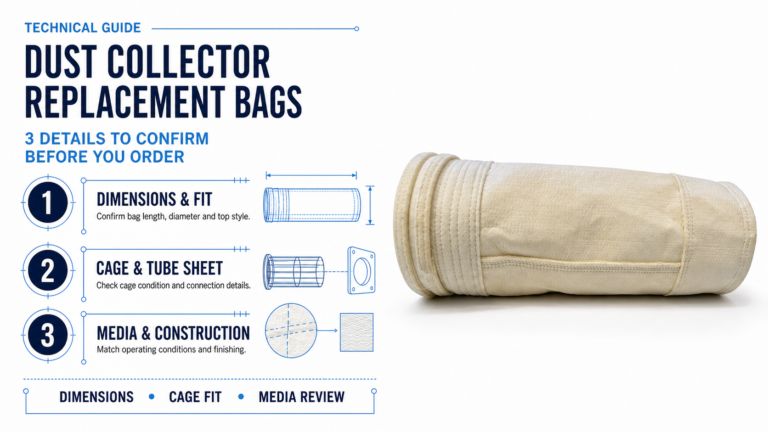
- Current bag media, dimensions, top/bottom construction and replacement quantity.
- Pressure-drop trend, emission target, cleaning method and photos of used bags where possible.
Review PPS Filter Bags
Compare All Filter Bag Materials
Use the Selection Guide
Need a P84 or PPS Replacement Review?
Send operating conditions, bag dimensions, current material and photos of the removed bags. We can help organize the first comparison before a final material and construction are quoted.
Next step
Review fit and operating conditions
If temperature, dust, moisture, gas chemistry or dimensions are incomplete, review the operating conditions before choosing a material.