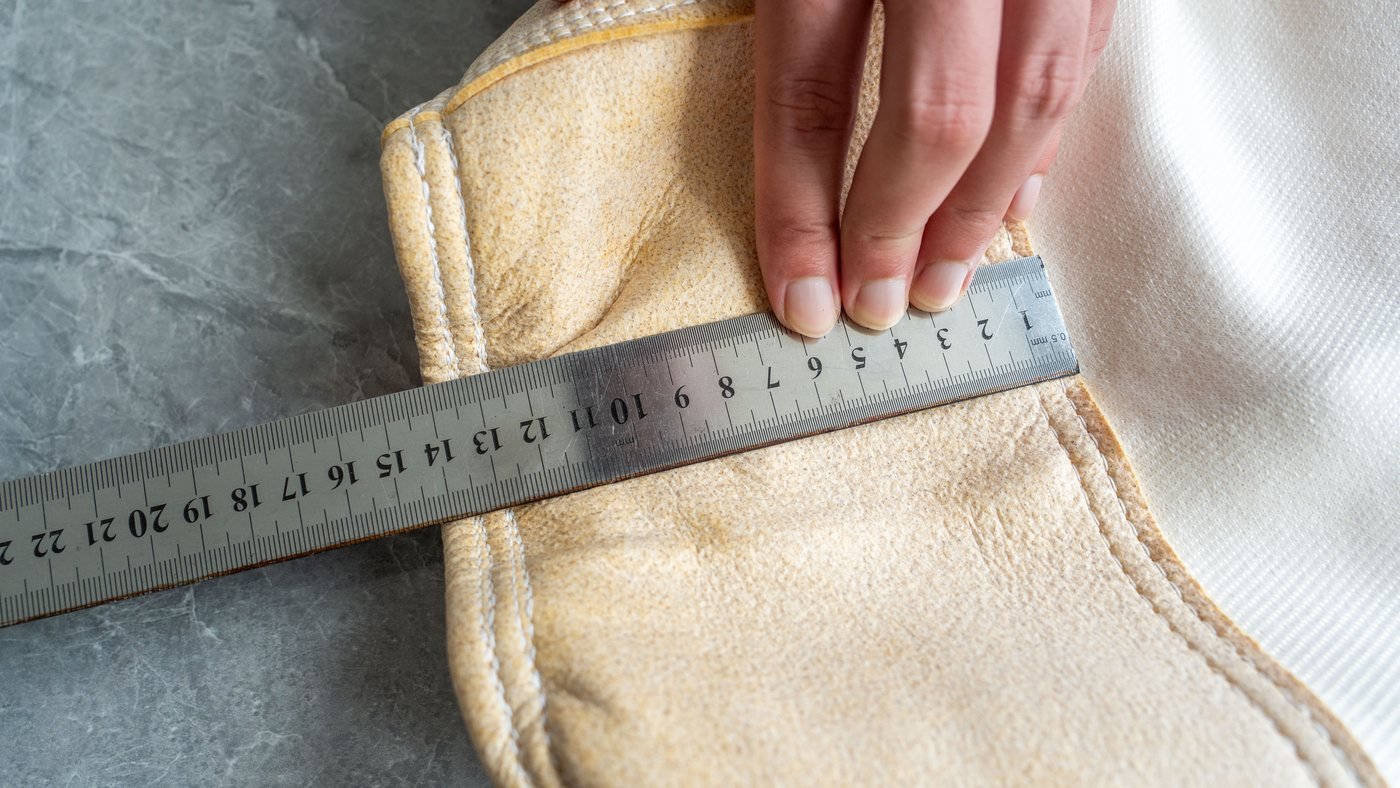
How to Measure Replacement Dust Collector Bags
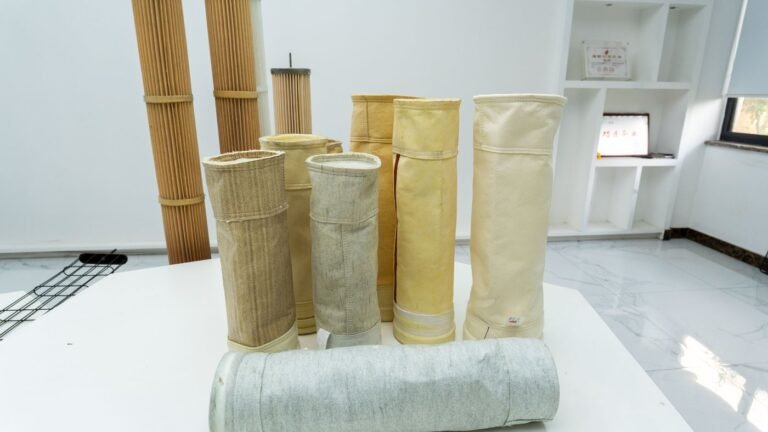
Learning how to measure replacement dust collector bags starts with confirming which dimensions describe the installed design. Collector model numbers and old purchase records may no longer match a modified cuff, replacement cage or changed bag length. Record the top, body and bottom details together and identify any measurement that still needs confirmation.
For a useful quotation, the safest starting point is still the physical existing bag. If drawings are missing, send photos and a few direct measurements. That usually saves more time than trying to identify the bag only from the dust collector brand.
How to measure replacement dust collector bags: diameter first
Measure the bag when it is laid flat, then confirm whether the value is the flat width or the round diameter. This small detail matters because a flat-width measurement cannot be used directly as the finished diameter.
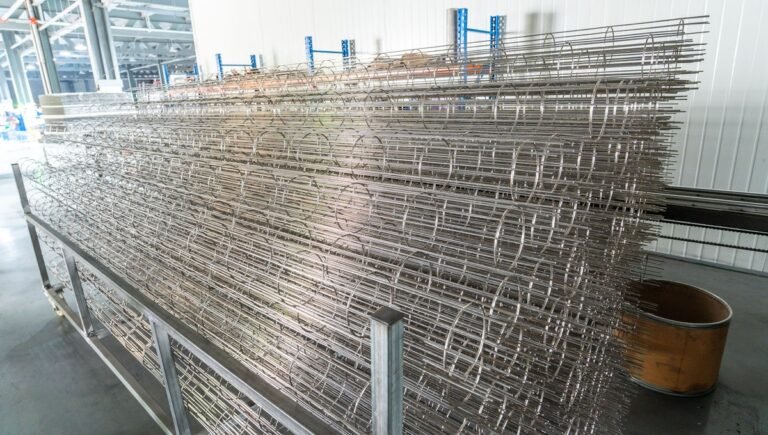
If the existing bag is damaged or stretched, measure more than one position. Also check the cage diameter. The finished bag needs enough clearance to install smoothly, but it cannot be so loose that dust leaks at the top or abrasion increases during cleaning.
Measure Total Length And Useful Length
Total length is not always enough. For snap band, flange, cuff or special top styles, the effective hanging and sealing position can be more important than the overall number. If the bag is too short, it may pull at the top. If it is too long, it can fold at the bottom or rub the hopper area.
| What to confirm | Why it matters |
|---|---|
| Bag diameter or flat width | Controls cage fit, installation and sealing. |
| Total length | Prevents bottom folding or top tension. |
| Top construction | Snap band, flange, cord, cuff or special top changes the quote. |
| Bottom construction | Disc bottom, reinforcement and wear patch affect service life. |
| Cage condition | Bent cages or rough welds can damage new bags quickly. |
Photograph The Details
Photos are often faster than long explanations. Take one photo of the complete bag, then close-ups of the top, bottom, seam direction, label, failed area and cage. If the bag failed early, include the failed part instead of cleaning it away for a nicer photo.
For urgent replacement work, a short video around the bag mouth and cage can also help confirm whether the problem is sizing, sealing, abrasion or material failure.
What To Send For RFQ
- Bag diameter or flat width, total length and quantity.
- Top style, bottom style and reinforcement details.
- Current filter material if known, plus working temperature and dust type.
- Photos of the existing bag, filter cage, baghouse plate and failure position.
- Target delivery time and any packing requirements.
Next step
Prepare a replacement bag RFQ
If you have an old bag, drawing, sample or measured dimensions, use the replacement route to confirm construction before quotation.