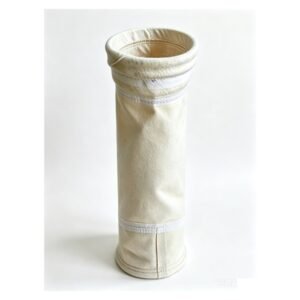
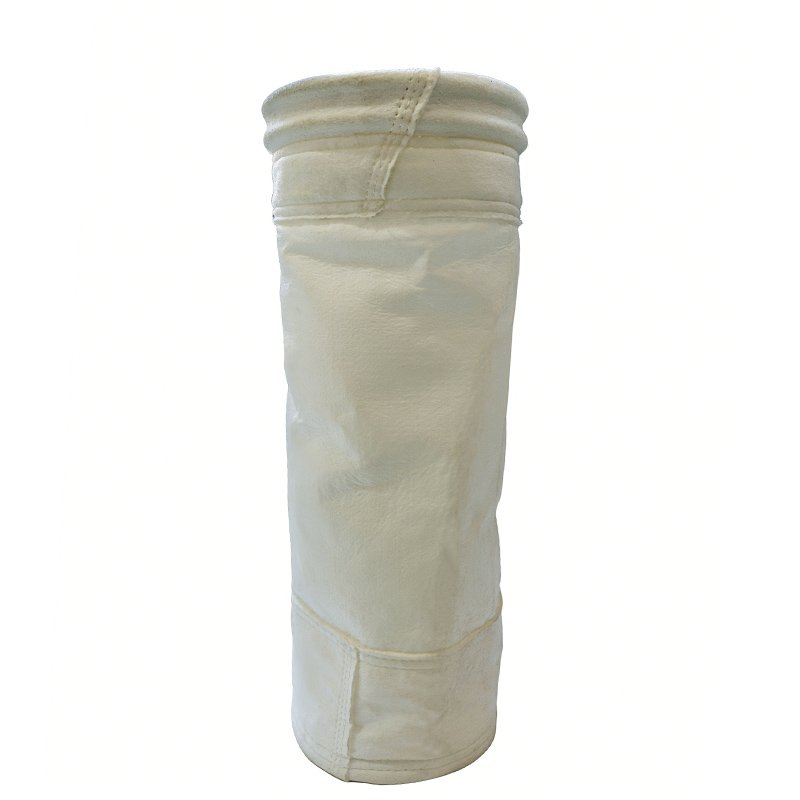
Polyester Filter Bag
Polyester filter bags are a cost-effective choice for dry, standard-temperature baghouse dust collection where temperature, moisture and chemical attack are controlled.
- Common use: cement, minerals, woodworking, powder handling and general industrial dust
- Custom construction: snap band, ring top, bottom reinforcement, size and finish options
- Upgrade review: anti-static, acrylic, PPS or aramid when dust or gas conditions require it
Description
Standard dust collection workhorse
Polyester Filter Bags for Cost-Controlled Standard Dust Collection
Polyester is the practical first choice for dry, normal-temperature baghouse dust. Polyester is suitable when temperature, moisture and chemical risk stay within normal dry-dust limits; higher media should be reviewed when the duty becomes more demanding.
PRODUCTION AND QUALITY CONTROL
How Pinnacle Controls Custom Polyester Filter Bag Orders
For custom Polyester Filter Bag orders, Pinnacle Filter checks more than the material name. The finished bag must match the dust collector size, cage condition, top construction, temperature and dust behavior. The following production and inspection points help buyers review polyester needle felt before shipment.
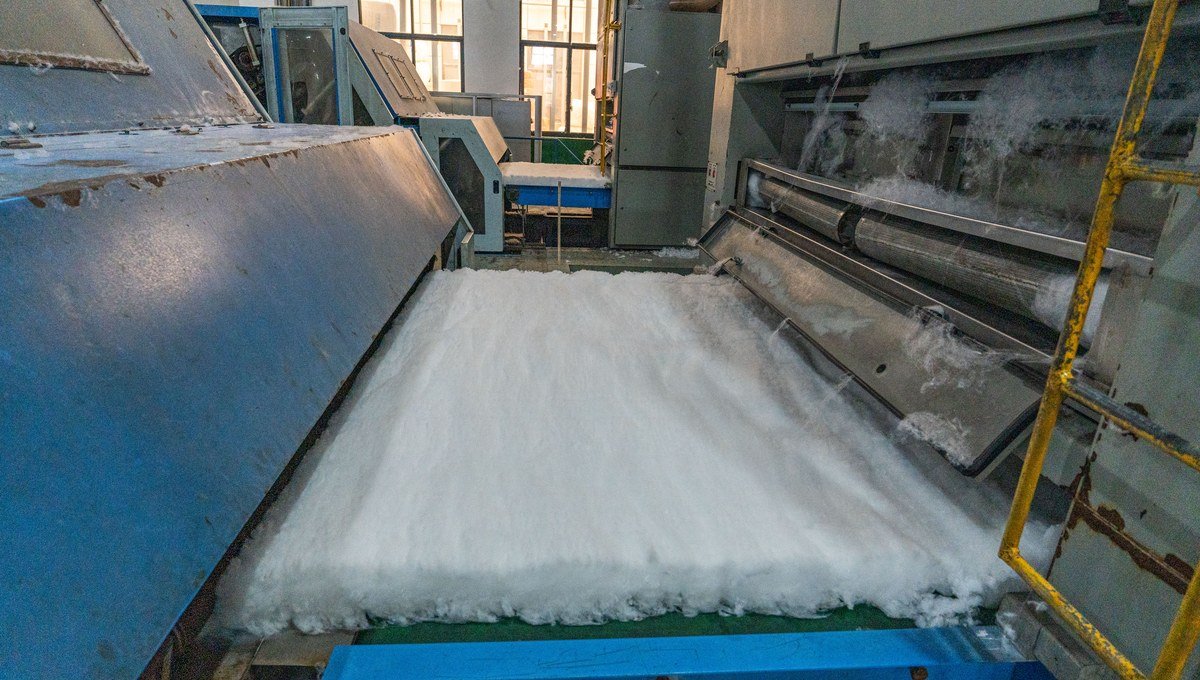
Media preparation
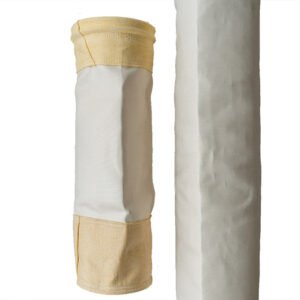
Polyester fiber is formed and finished into needle felt, then checked for weight, thickness, permeability and surface treatment. Singeing, calendering, heat setting or other finishes are selected for the dust and cleaning method.
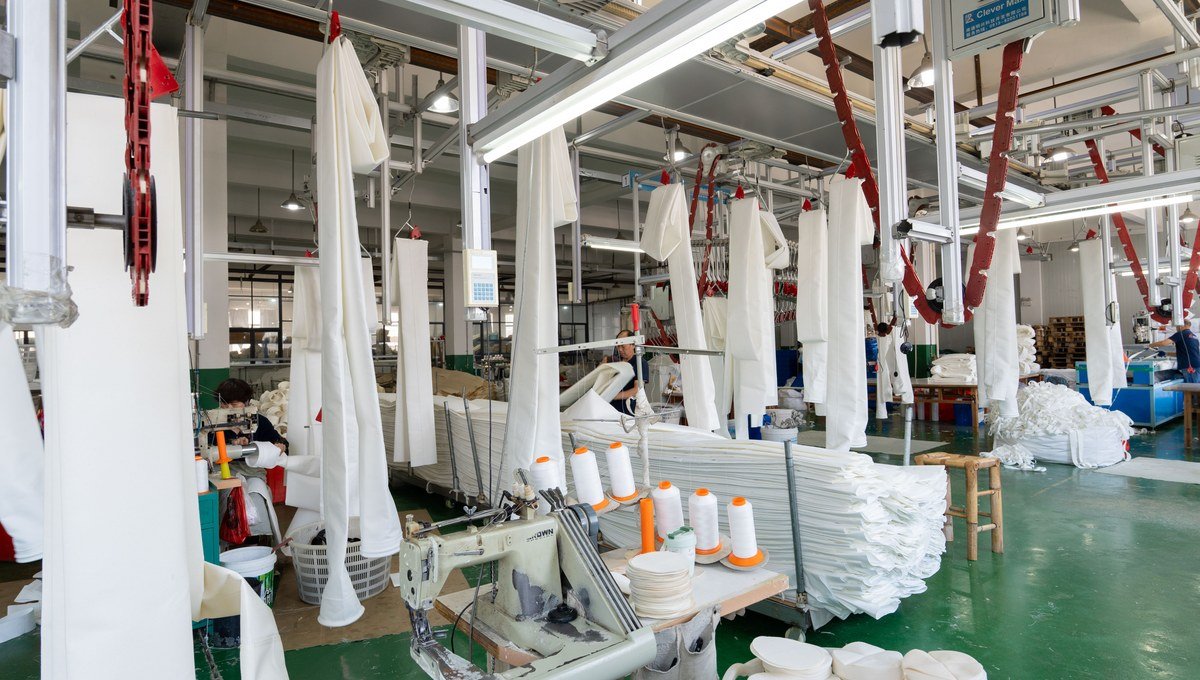
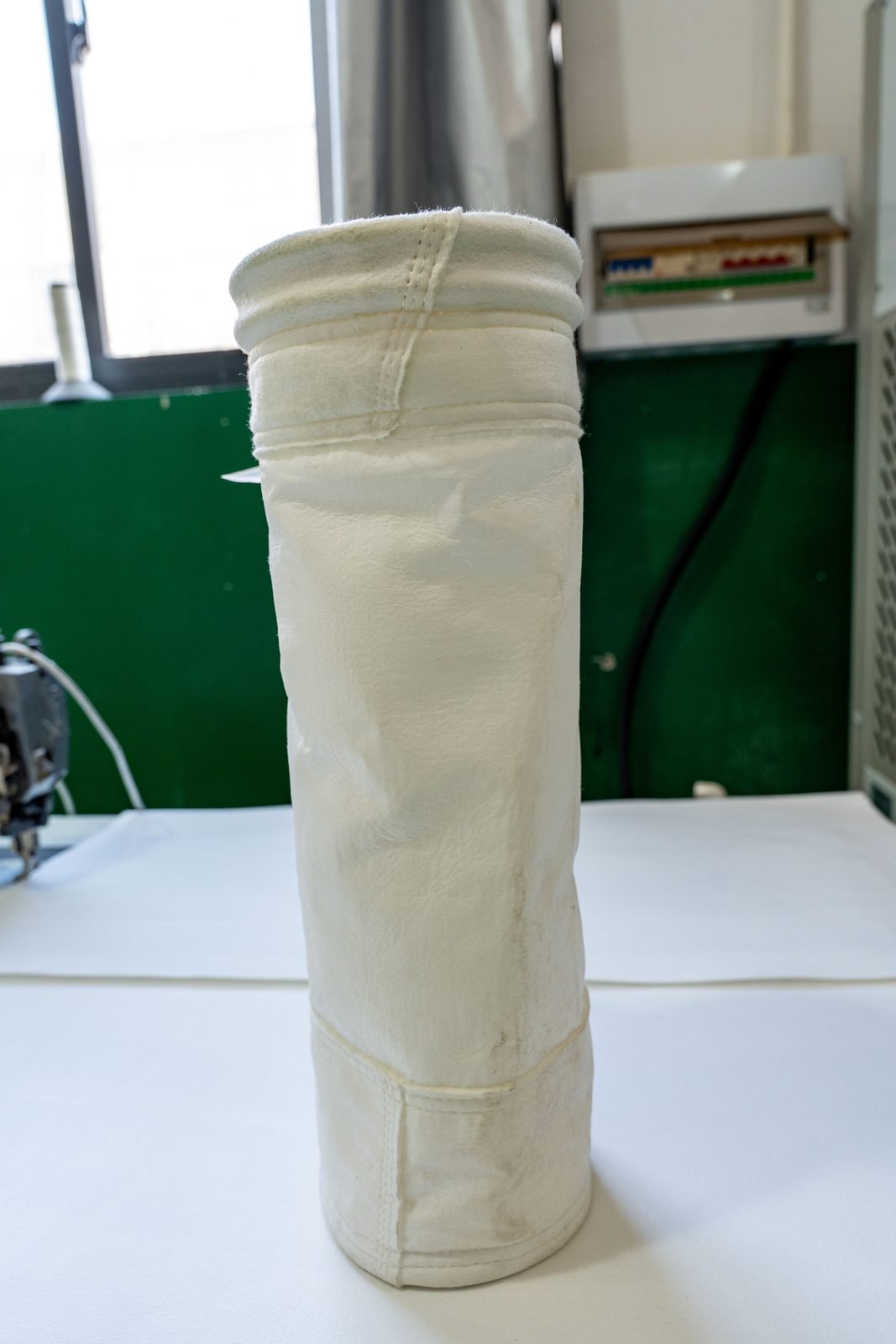
Bag sewing workshop
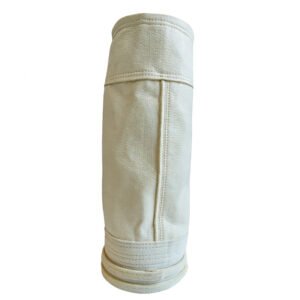
Bag diameter, length, snap-band or other top style, bottom construction and seam direction are controlled during sewing. The economical media still requires accurate workmanship for reliable sealing.
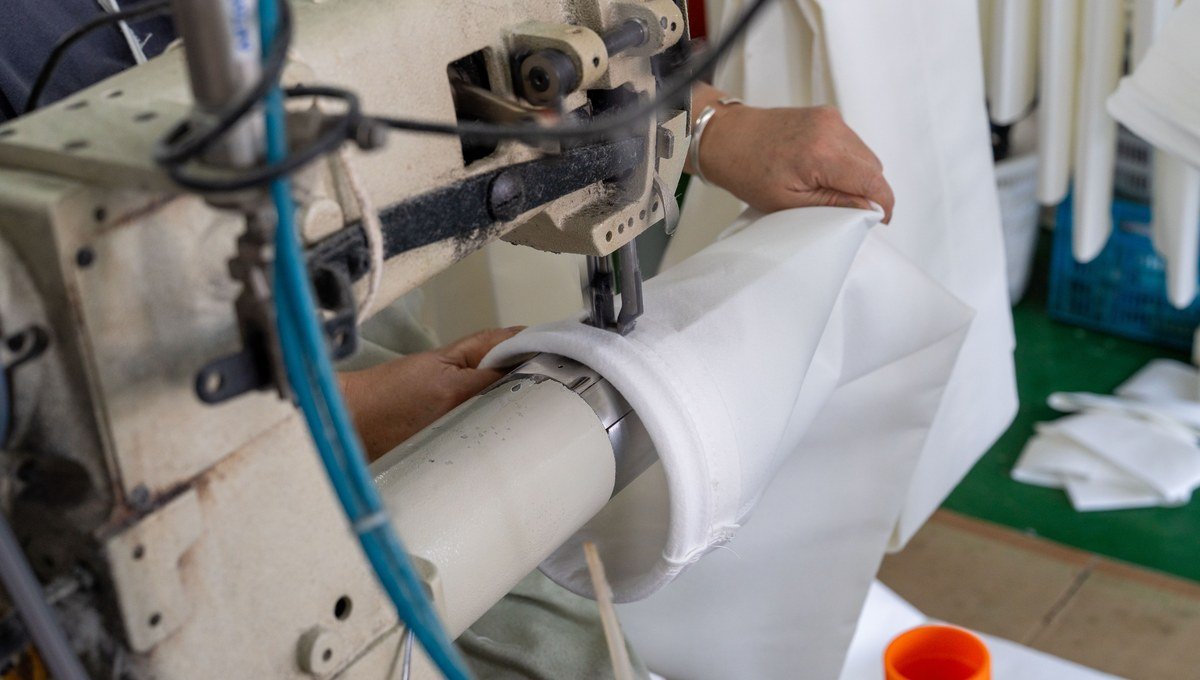
Seam and construction detail
Stitch consistency, thread selection and reinforcement at the cuff and bottom are checked for the expected pulse-cleaning load. Straight seams also help the bag hang correctly on the cage.
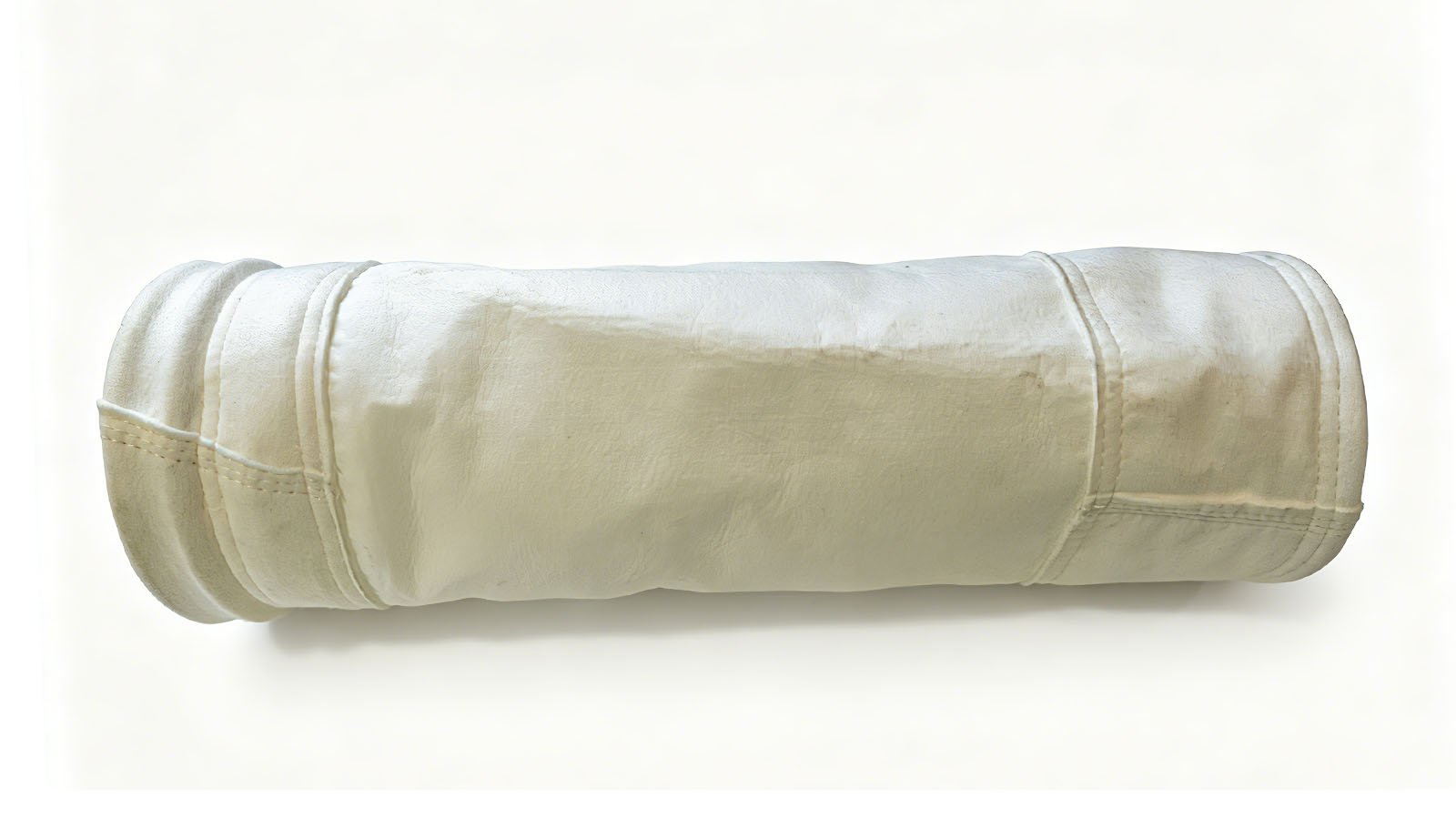
Construction and size review
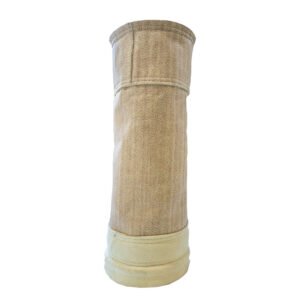
Finished diameter, length, cuff fit and bottom style are reviewed before packing. For replacement projects, an spare bag sample, drawing or tube-sheet dimensions help prevent avoidable fit errors.
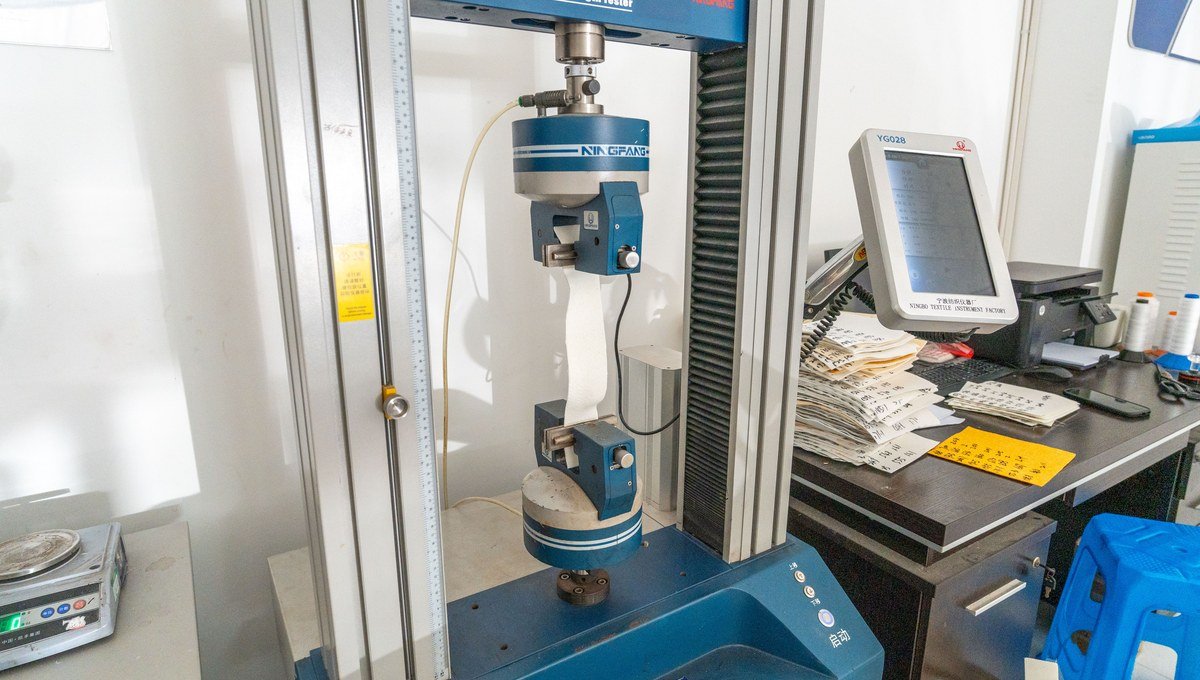
Material testing
Quality checks can include weight, thickness, tensile strength, air permeability and heat-related dimensional change. Moisture and hydrolysis risk are considered when confirming whether polyester is suitable for the duty.
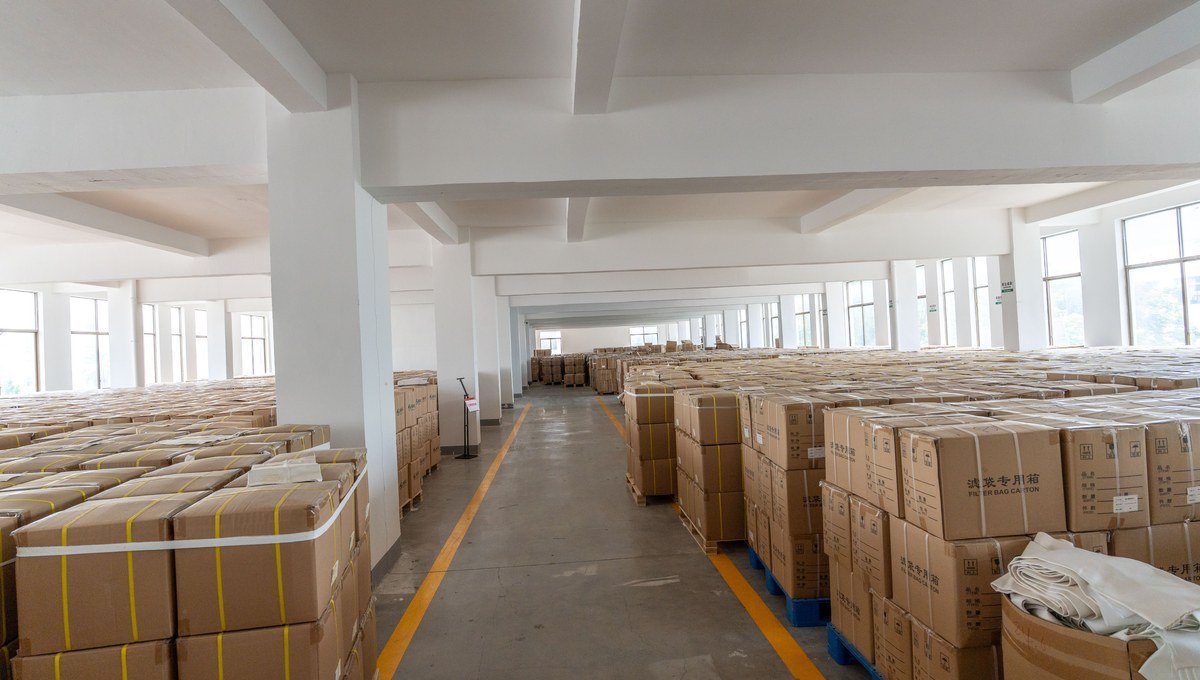
Packing and delivery
Finished bags are kept clean and dry, clearly identified and packed without excessive compression. Organized packing supports faster counting and installation for larger replacement orders.
Practical buying logic
Where Polyester Usually Wins
General dust collectors
Stable performance for cement, minerals, powder and many standard industrial dust streams.
Replacement projects
Easy to quote from existing bag size, drawing, tube sheet or dust collector model.
Controlled maintenance cost
Good direction when the buyer needs predictable replacement cost more than premium resistance.
Anti-static upgrade path
Can be reviewed with conductive yarn or fiber when combustible dust risk exists.
Upgrade triggers
When Polyester Is Not the Right Answer
A cheaper bag becomes expensive if it fails early. Pinnacle checks the limits before recommending polyester.
Compare Before Ordering
Polyester is often the starting point, not the final answer. Use it when the dust is dry, temperature is normal and chemical attack is limited.
Technical selection guide
Polyester Filter Bag Specifications, Applications and Selection Notes
Polyester filter bags are usually the first material to review when the dust collector runs at normal temperature, the gas is dry, and the buyer needs a stable but cost-controlled replacement bag. Pinnacle uses polyester as a practical baseline, then checks whether moisture, heat, acid/alkali or combustible dust risk should push the project toward another media.
| Typical temperature direction | Standard / normal-temperature dust collection; confirm continuous and peak temperature before ordering. |
|---|---|
| Dust condition | Dry, non-corrosive or mildly abrasive industrial dust. |
| Available constructions | Snap band top, ring top, corded top, reinforced bottom, custom seam and anti-static option. |
| Common finishes | Heat setting, singeing, calendaring, oil/water repellent or conductive design when required. |
Where This Polyester Filter Bag Is Commonly Used
Cement and minerals
General dry dust collection where gas temperature is controlled.
Woodworking dust
Economical media; anti-static review may be needed.
Powder handling
Suitable when dust is dry and not chemically aggressive.
Replacement bags
Often quoted from old sample, drawing or dust collector model.
Operating Boundaries to Check
- High moisture or hydrolysis risk: Consider acrylic or PPS instead of standard polyester.
- High heat: Review aramid, PPS, FMS or fiberglass.
- Strong acid / alkali: Review PPS, PTFE or another chemical-resistant direction.
- Combustible dust: Check anti-static polyester or another conductive construction.
Common Failure Causes
- Early hardening or shrinkage: Temperature may be higher than expected.
- Sticky dust cake: Dust release or surface finish may be wrong.
- Bottom abrasion: Check inlet airflow, cage condition and bottom reinforcement.
- Dust leakage: Check top fit, tube sheet, seam and installation.
Selection Advice from Pinnacle Filter
Choose polyester when the plant wants an economical filter bag for dry, normal-temperature dust and there is no strong chemical or moisture risk. If the current bag life is short, send current bag photos so Pinnacle can tell whether the issue is material selection, cage wear, top sealing or cleaning adjustment.
Related product pages and next steps
Pinnacle Filter Support
Send Basic Working Conditions for a Polyester Bag Quote
Bag size, temperature, dust type and current bag life are enough for a first review. Drawings or current bag photos make quotation faster.
Fast RFQ checklist
Technical Reference
Typical Polyester Filter Bag Specification
Use this table as a reference for initial material review. Final weight, thickness, finishing, top construction and bag size can be customized according to the dust collector design and operating conditions.
| Item | Typical Value |
|---|---|
| Fiber material | Polyester |
| Scrim material | Polyester staple yarn |
| Thickness | 1.8 mm |
| Weight | 450-550 g/m2 |
| Air permeability | 130-180 L/(dm2*min) |
| Tensile strength | Warp >=1000 N; weft >=1200 N |
| Break elongation | Warp <25%; weft <45% |
| Working temperature | Continuous 135°C; peak 150°C |
| Finishing options | Heat setting, calendering, singeing, PTFE coating option |
Buyer Questions
FAQ
Is polyester suitable for cement dust?
Yes, for many dry and moderate-temperature cement or mineral dust collectors. High heat or moisture should be checked first.
Can polyester bags be anti-static?
Yes. Conductive fiber or yarn can be evaluated for combustible dust systems.
What information is most useful?
Diameter, length, quantity, temperature, dust type, moisture, cleaning method and current bag life.
Related Technical Guides
Helpful Reading Before Selecting Filter Bags