Industrial dust collector filter bags
Industrial Dust Collector Filter Bags for Existing Baghouses
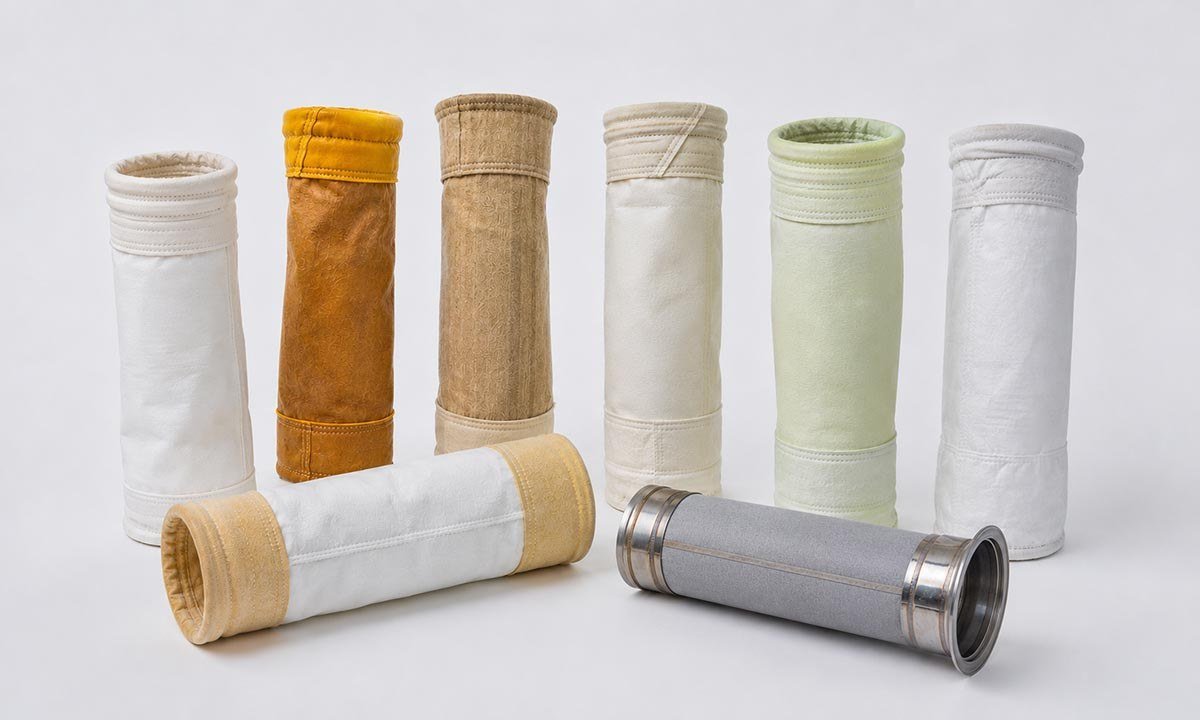
Pinnacle supplies custom industrial dust collector filter bags for pulse-jet and reverse-air baghouses. Compare the available materials below, then send bag dimensions, top and bottom construction, quantity and operating conditions for quotation. An old bag, photo or drawing is enough to start a replacement review.
- Existing specification: share dimensions, top and bottom construction, quantity and material if known.
- Old bag or photo: show the bag, cage and tube-sheet hole for a replacement review.
- Operating problem: send temperature, dust, moisture, gas and cleaning details if fit or service life is uncertain.
Product range
Industrial Dust Collector Filter Bags by Material and Collector Type
Choose a filter bag material based on working temperature, dust type, moisture, gas chemistry and cleaning method.
If you are not sure which media fits your collector, start with the filter bag selection guide and then send the operating conditions and current bag photos for review.
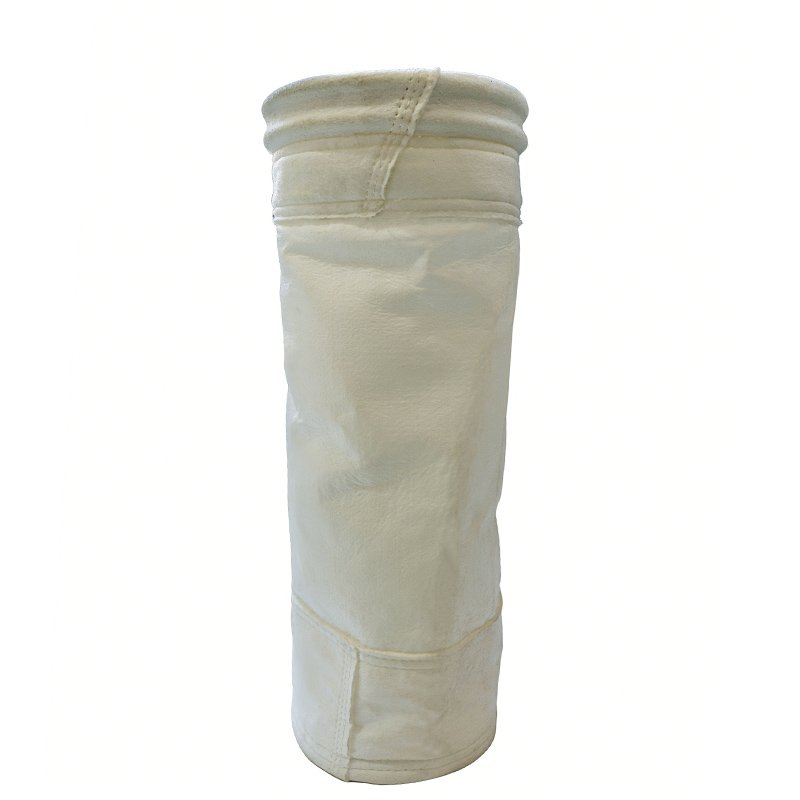
Polyester Filter Bag
Economical dry-dust media for standard pulse-jet collectors and general replacement work.
View product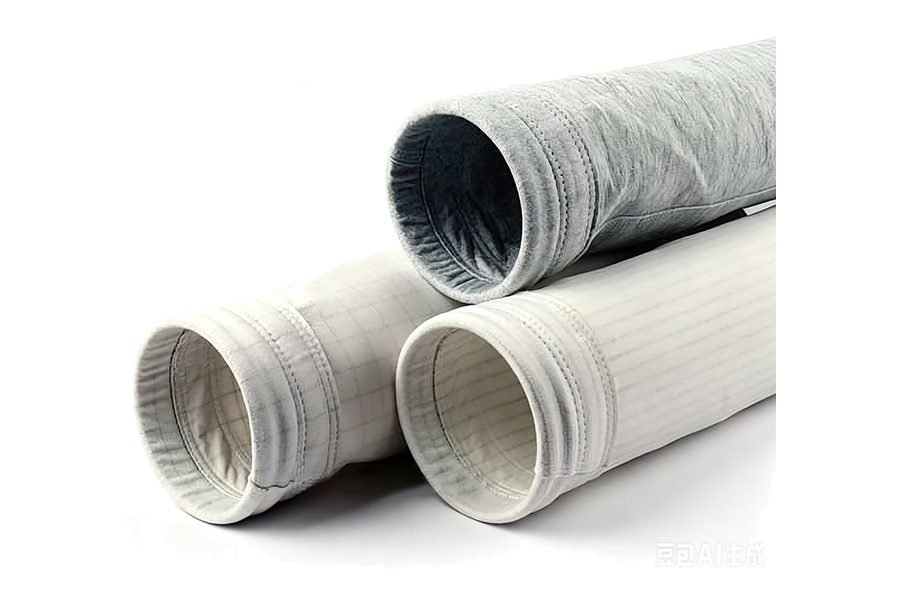
Anti-static Filter Bag
Conductive felt for combustible dust review where static discharge control matters.
View product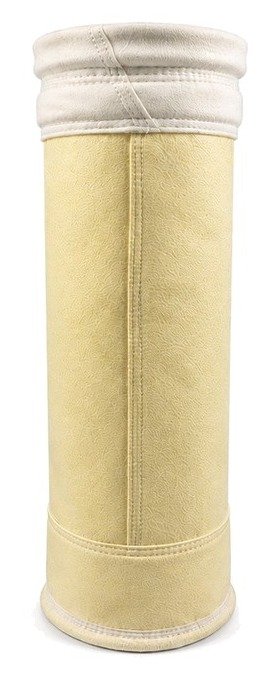
Acrylic Filter Bag
Moderate-temperature option for dry dust where hydrolysis risk is limited.
View product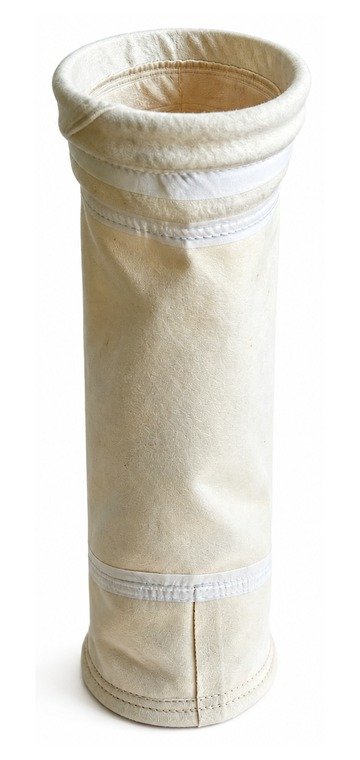
PPS Filter Bag
For moisture, acid gas and coal-boiler duty when polyester is not stable enough.
View product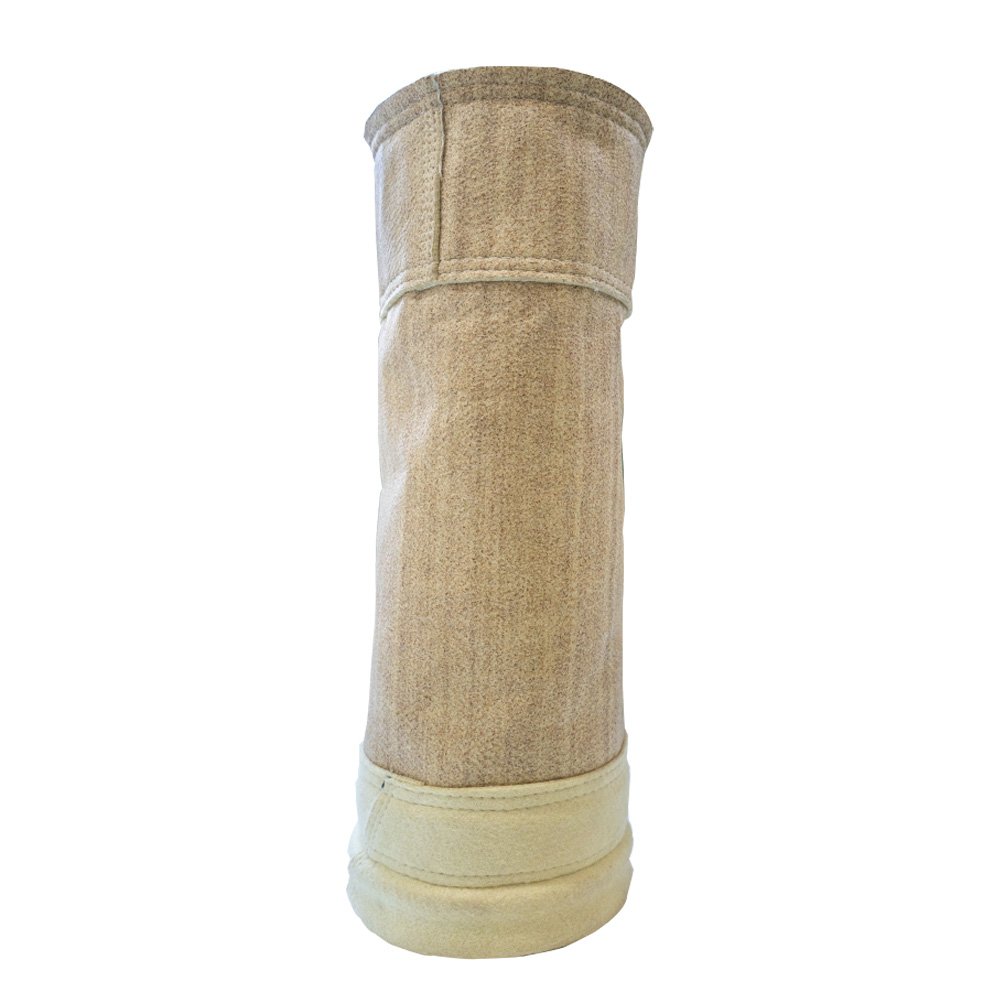
Aramid Filter Bag
Hot-gas and abrasion-resistant media often reviewed for asphalt and metal-related dust.
View product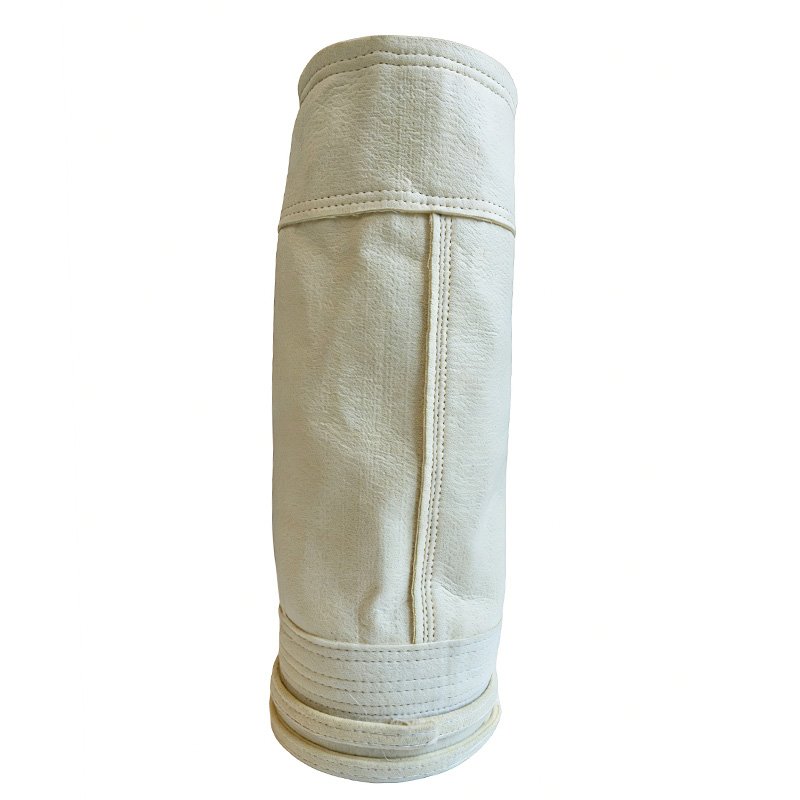
FMS Filter Bag
Glass-fiber composite media for cement, steel and other mixed high-temperature duties.
View product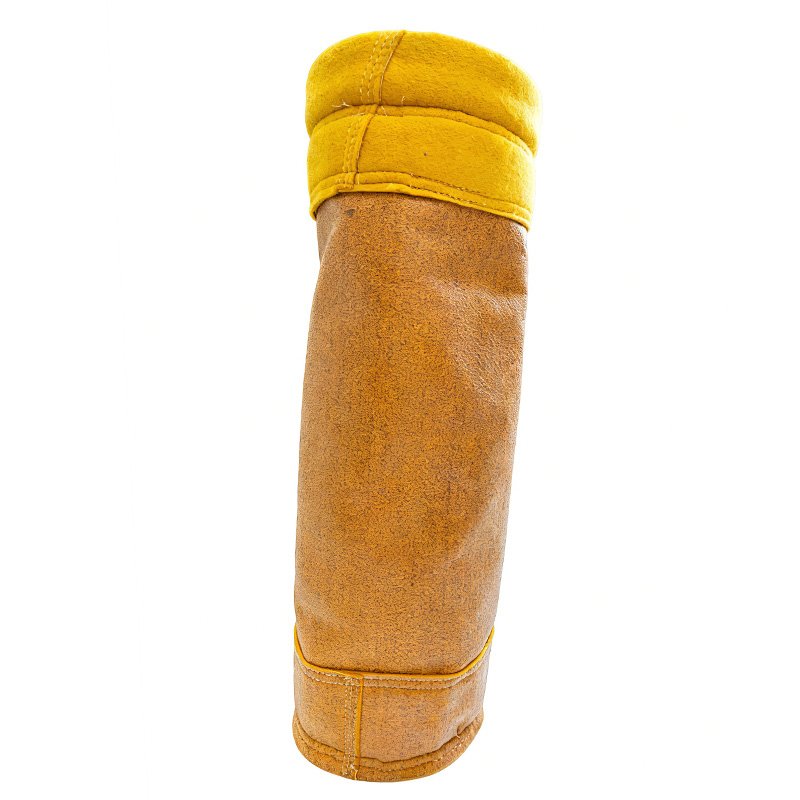
P84 (Polyimide) Filter Bag
Fine-dust and low-emission media with strong surface filtration direction.
View product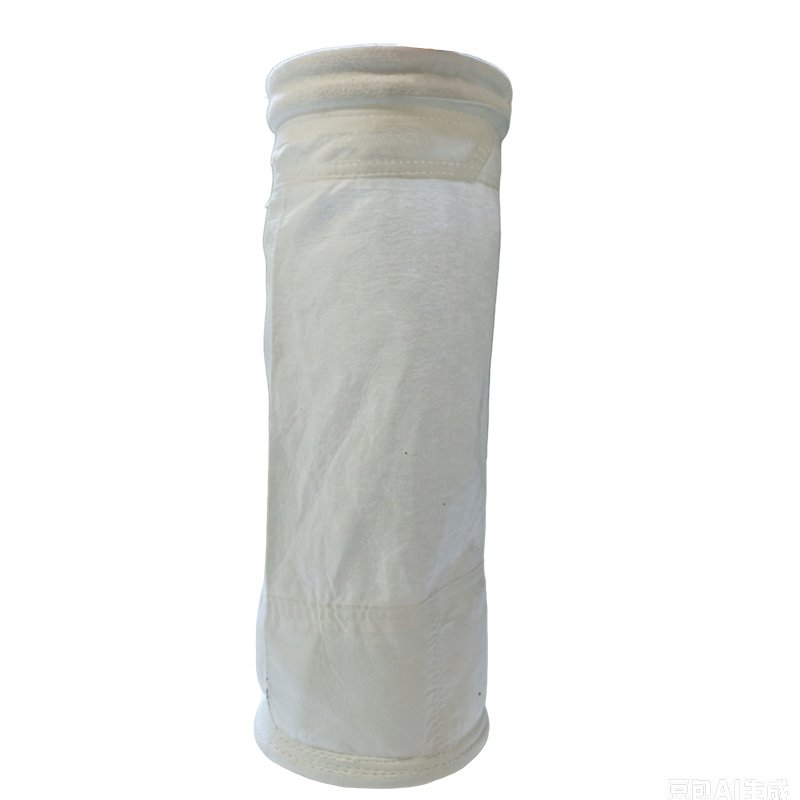
PTFE Filter Bag
Chemical-resistant choice for corrosive gas, sticky dust and harsh process conditions.
View product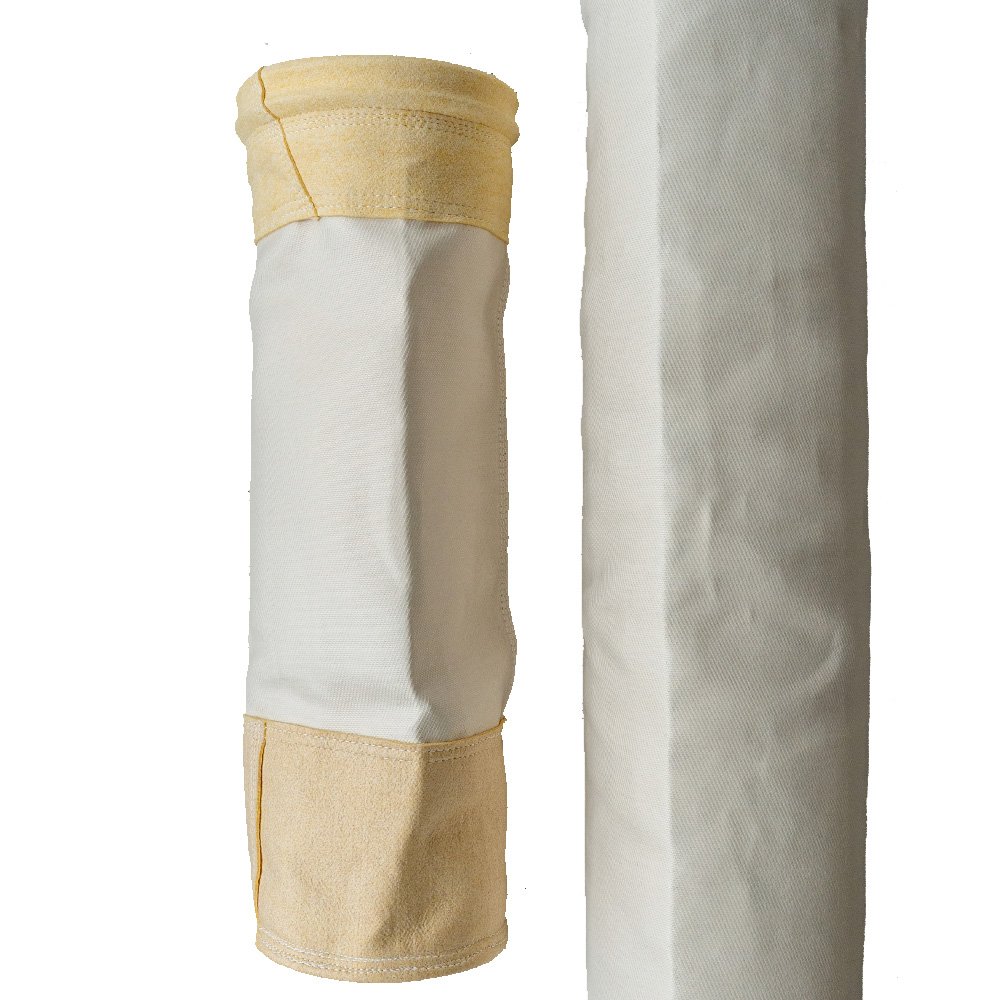
Fiberglass Filter Bag
High-temperature woven media that can also be reviewed for reverse-air baghouse systems.
View product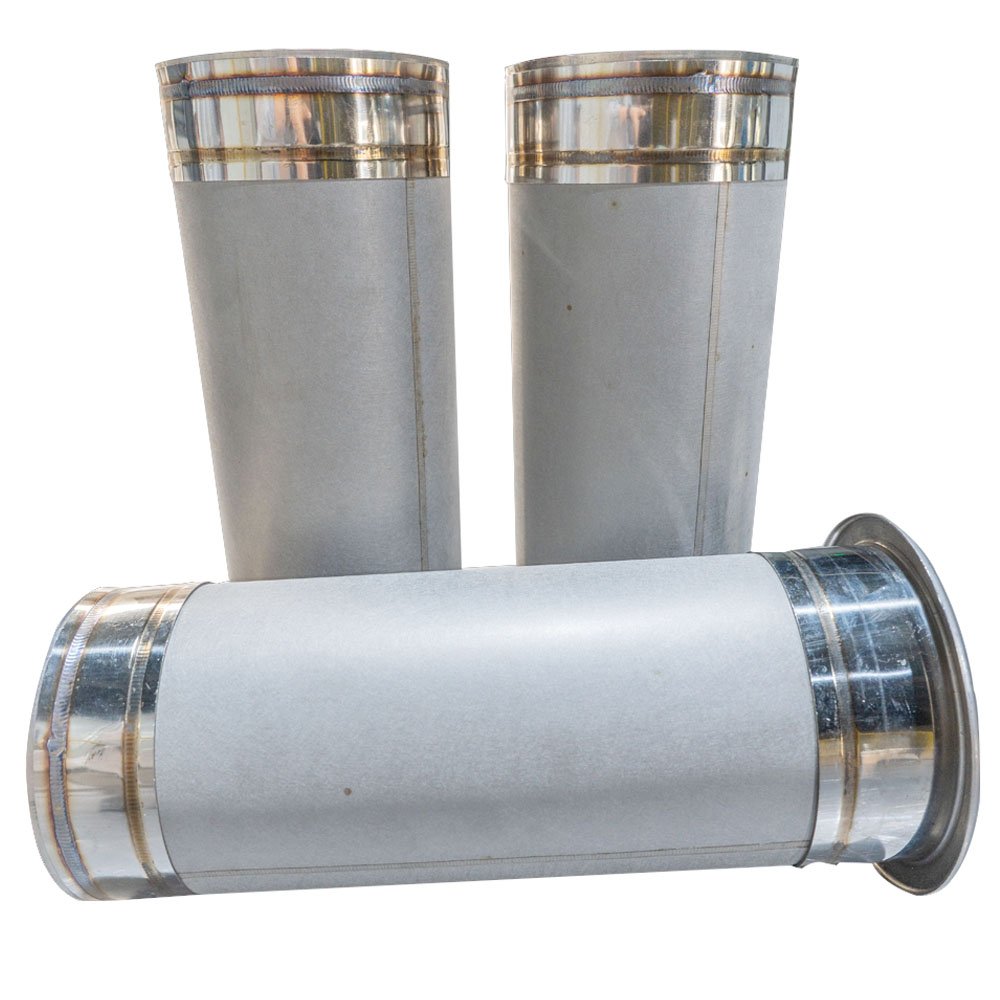
Metal Fiber Filter Bag
Rigid 316L element for ultra-high-temperature and conductive special-duty review.
View productSelection first
Start With the Working Condition
These four paths cover most first-round buying questions. They help narrow the material before bag size, top construction and cage details are finalized.
High temperature and thermal cycling
Start with fiberglass, FMS, aramid, P84 or the metal fiber filter bag when the gas is hot enough to push standard felt outside its comfort zone.
Moisture or acid gas
Review PPS or PTFE first, then check oxygen level, dew point, corrosion risk and cleaning pressure before confirming the final media.
Sticky dust and low emissions
P84, PTFE and some fiberglass finishes are often reviewed when dust release, surface filtration and outlet stability matter more than the lowest initial cost.
Combustible dust or cost control
Use anti-static polyester when static risk is present, and standard polyester or acrylic when the gas is dry and the working temperature is moderate.
Buyer questions
FAQ
How should reverse-air filter bag projects be reviewed?
For our current standard product range, fiberglass is the usual starting point for reverse-air review. Other materials are mainly supplied for pulse-jet collectors unless a special project requires a separate engineering check.
Where does the metal fiber filter bag fit?
It is a new rigid high-temperature option for special-duty review. It is not a direct textile bag substitute and needs its own collector check.
Do the product cards replace an RFQ?
No. They are a fast selection guide. Final size, top construction, cage condition, temperature, gas chemistry and dust behavior still need to be confirmed.
Can you quote from bag photos or drawings?
Yes. Current bag photos, cage photos and dimension notes are very helpful for replacement projects and usually speed up the first recommendation.
Pinnacle engineering support
Review a Filter Bag Project
Send bag diameter, length, quantity, working temperature, dust type, gas chemistry and any existing bag or cage photos. Pinnacle will review the material direction before quotation.
Choose the path that matches your project
Use the quickest route for the information you already have. You do not need to complete technical selection before contacting us.