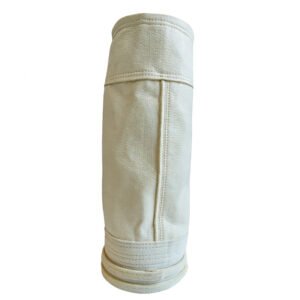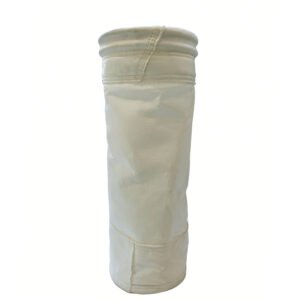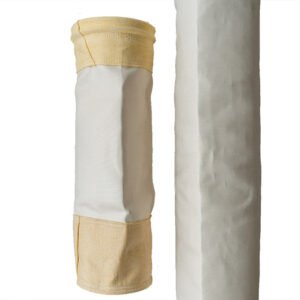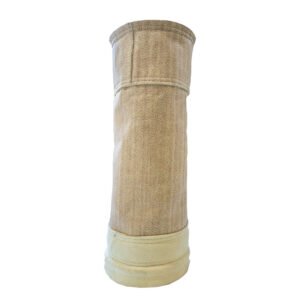
Metal Fiber Filter Bag
316L metal fiber filter bags are rigid high-temperature elements for conductive, abrasive or special-duty dust filtration where textile filter bags may deform, burn or lose service life too quickly.
- Reviewed for hot-gas duties, metal-related dust, asphalt, smelting and other severe process conditions.
- Rigid construction helps the element keep shape under heat, cleaning load and installation handling.
- Confirm temperature, dust type, gas chemistry, size and connection style before quotation.
Description
316L metal fiber felt filtration
Metal Fiber Filter Bags for Ultra-High-Temperature Dust Collection
Rigid metal fiber filter elements for dry, high-temperature and abrasive dust duties where conventional textile filter bags may reach their temperature or strength limits.
Production and quality control
How Pinnacle Controls Custom Metal Fiber Filter Bag Orders
Production starts from the operating data and element drawing, then controls material condition, precision fabrication, cylindrical forming, support structure, assembly and finished dimensions.
Metal fiber felt inspection
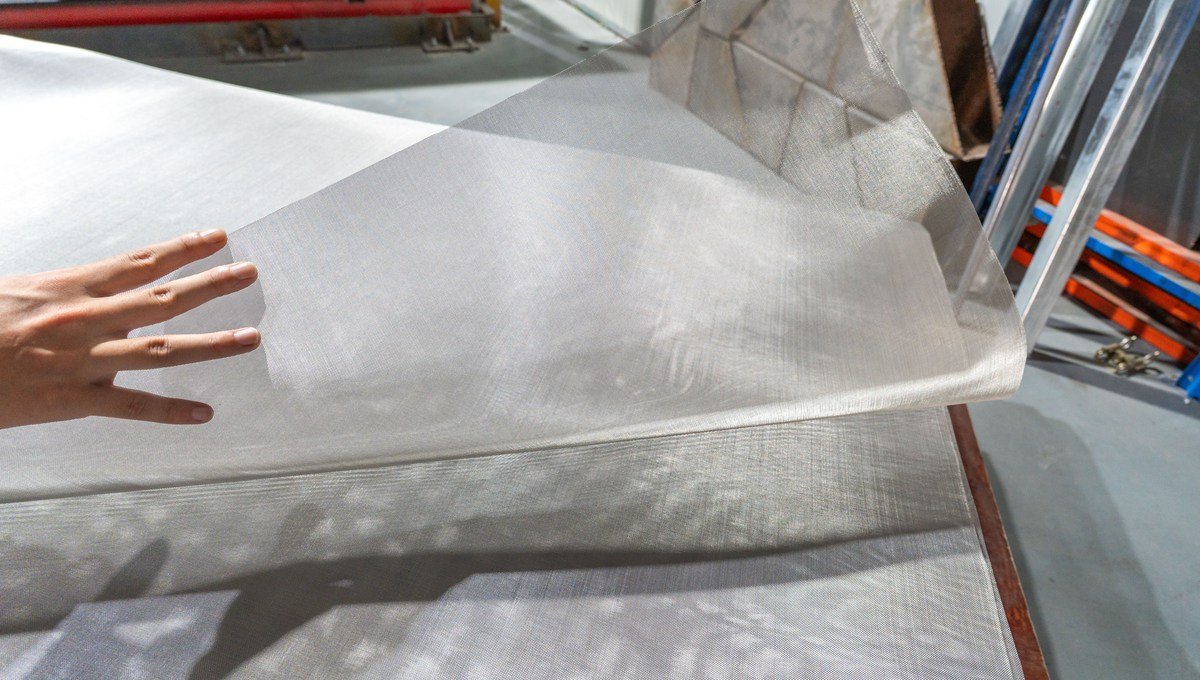
The 316L fiber felt is reviewed for surface uniformity, thickness, weight and visible defects before it enters element fabrication.
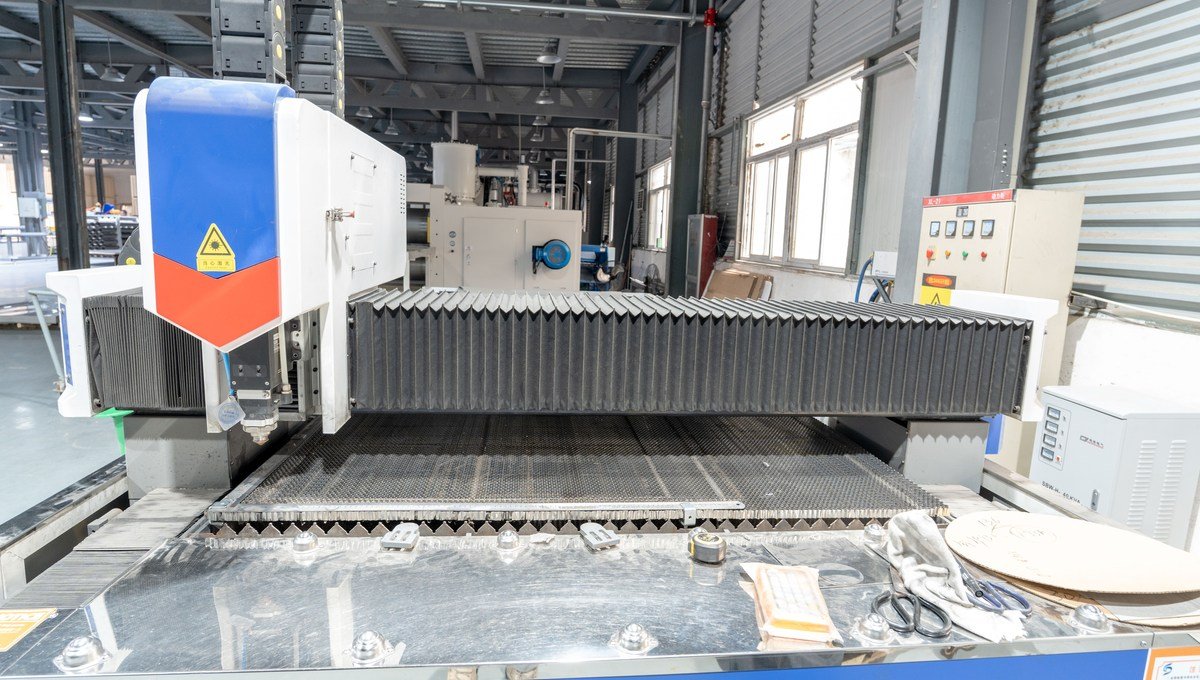
Precision cutting
Metal components are cut to the confirmed diameter, length and connection design so the finished element matches the collector interface.
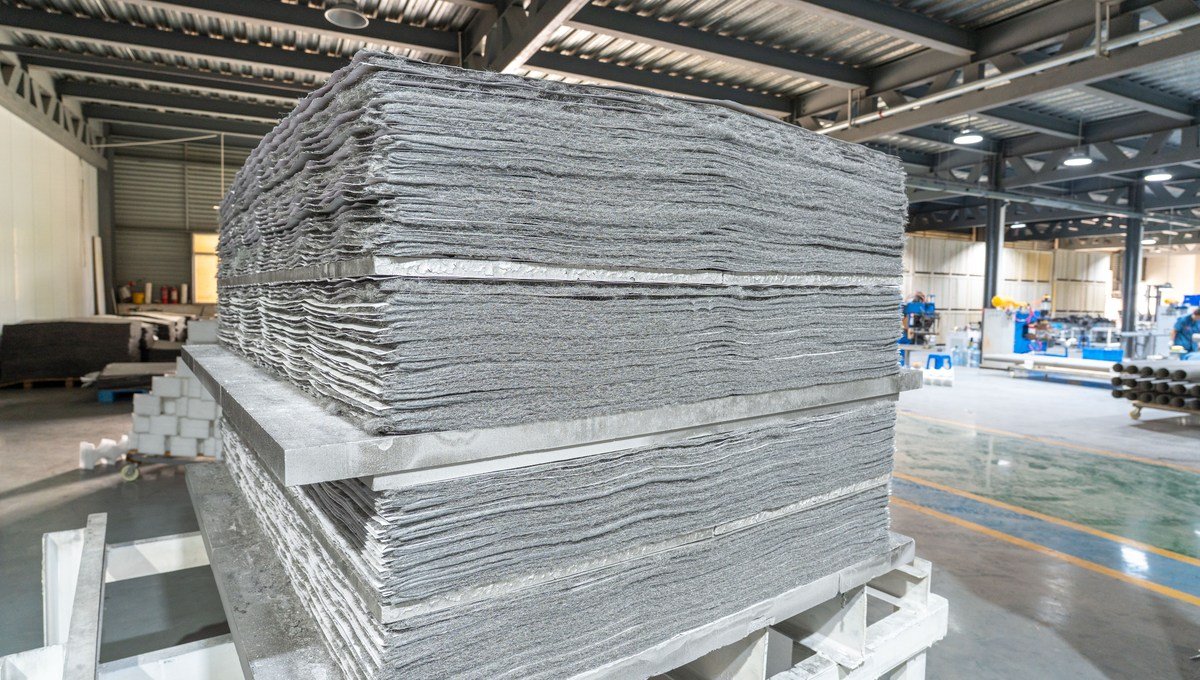
Prepared media blanks
Cut metal fiber felt blanks are stacked by specification for surface, thickness and dimensional review before cylindrical or custom-shape fabrication.
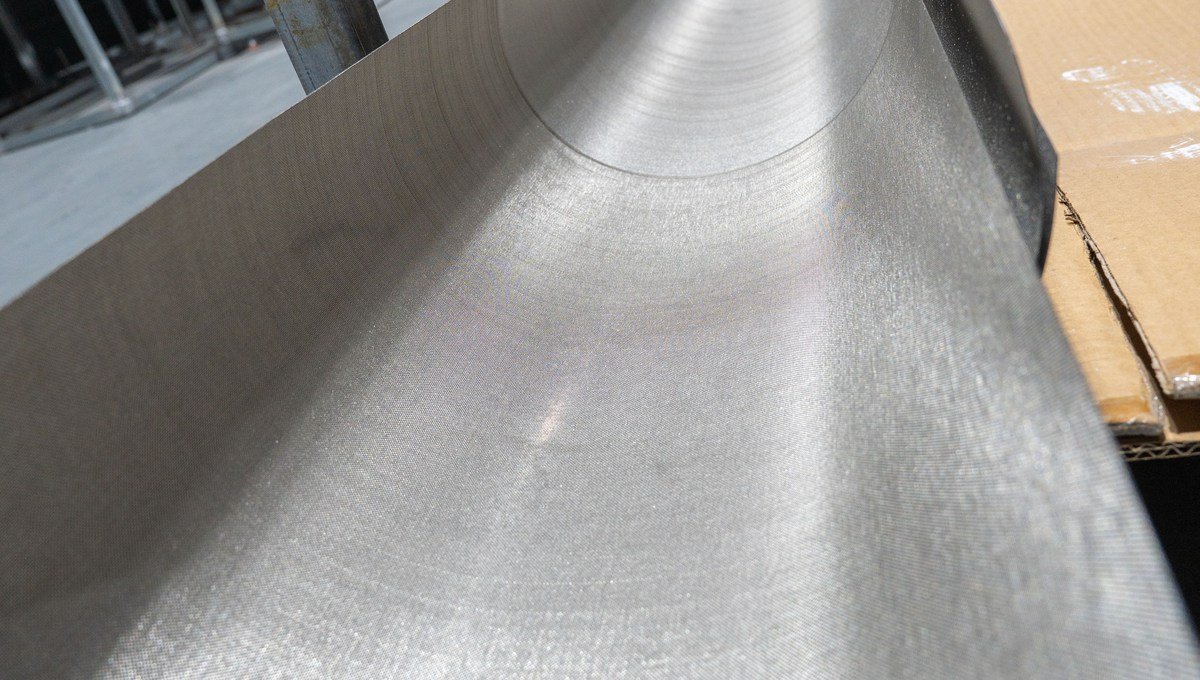
Tapered section forming
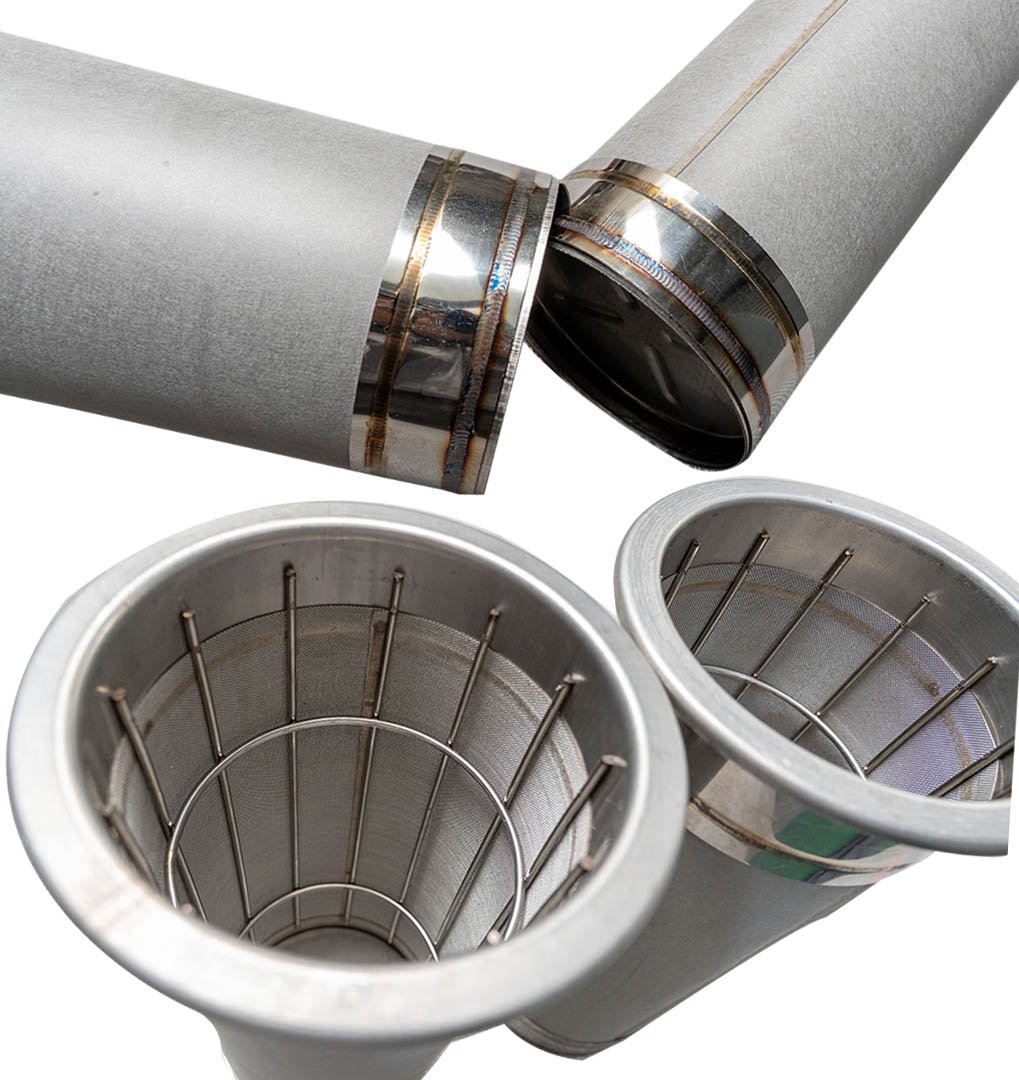
Metal fiber felt can be formed into tapered or transitional sections when the element drawing requires a custom gas-flow or end-connection geometry.
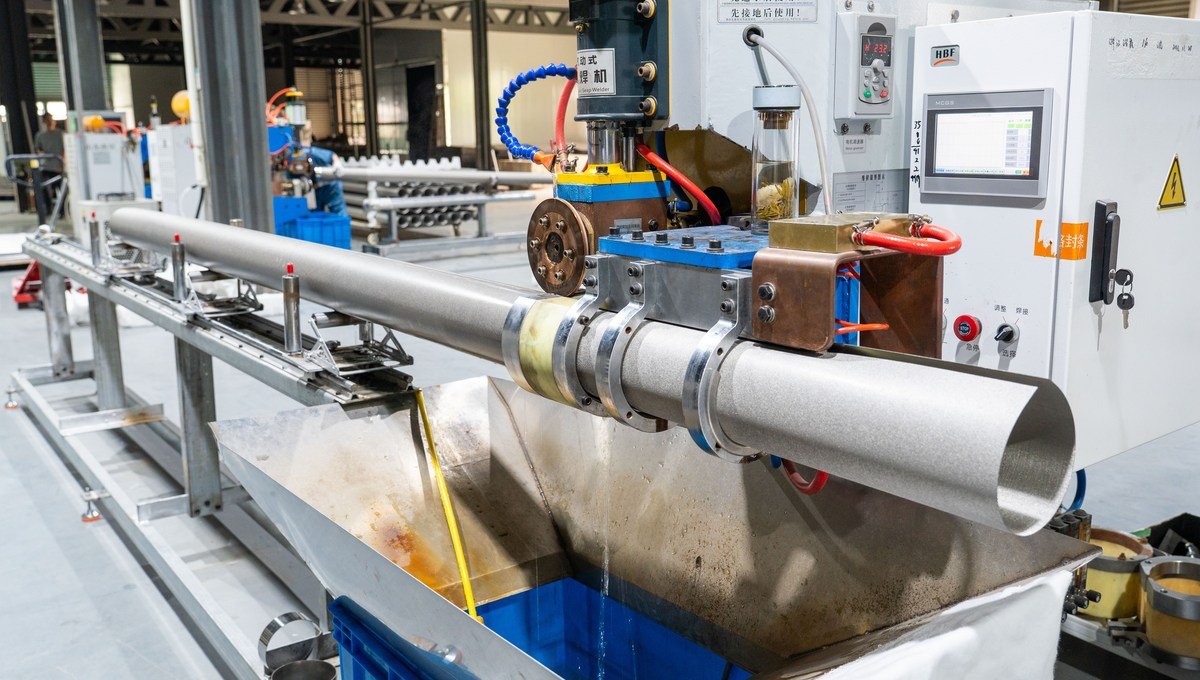
Tube seam fabrication
Formed metal media sections are positioned on production equipment for longitudinal joining, straightness control and dimensional consistency along the filter body.
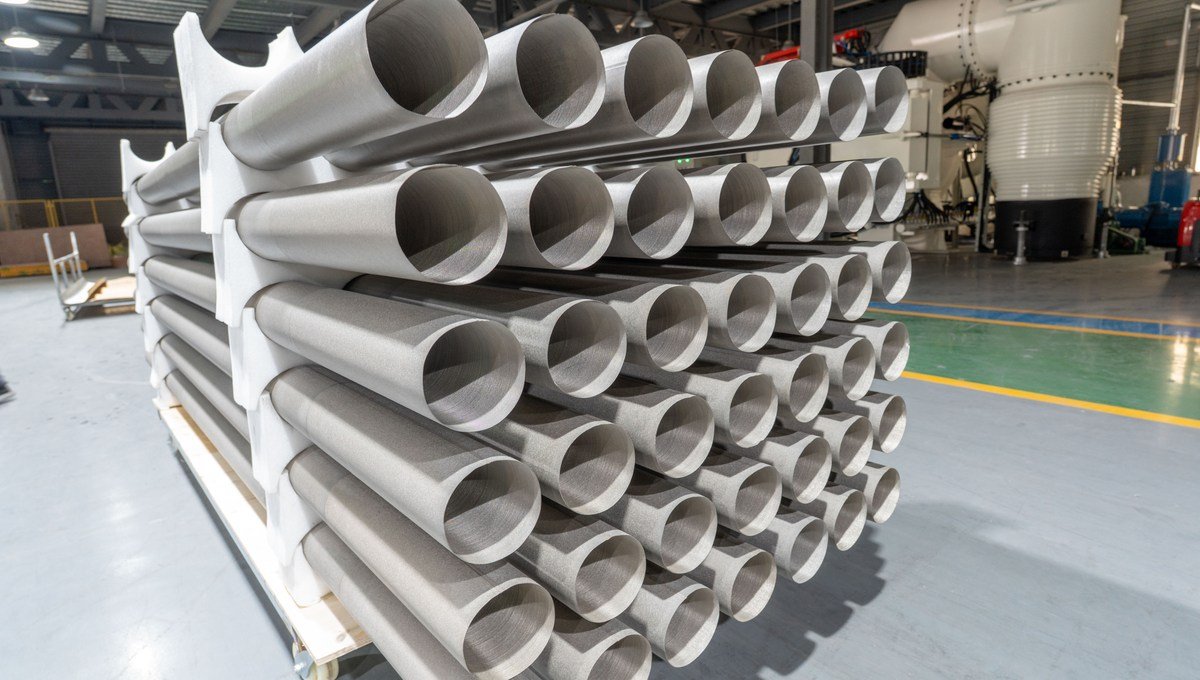
Batch inspection and staging
Completed long elements are arranged by order for straightness, quantity, end-connection and surface-condition checks before packing and shipment.
Why metal fiber filtration
Built for Heat, Strength and Stable Surface Filtration
Heat, corrosion and wear resistance
Factory highlights high-temperature duty, corrosion direction, mechanical strength, abrasion resistance and longer service-life potential when alloy and collector design are correctly matched.
Fine dust capture direction
The media can effectively capture particles above 0.5 µm and may support outlet dust targets at or below 10 mg/Nm³ in a suitably designed system.
High porosity and airflow
Reference values include porosity at or above 80% and average air permeability above 120 L/(dm²·min), helping maintain gas flow with lower resistance.
Recoverable and conductive
The metal felt can be handled differently from disposable textile bags, and its conductivity helps reduce static risk when grounding and system sealing are correctly designed.
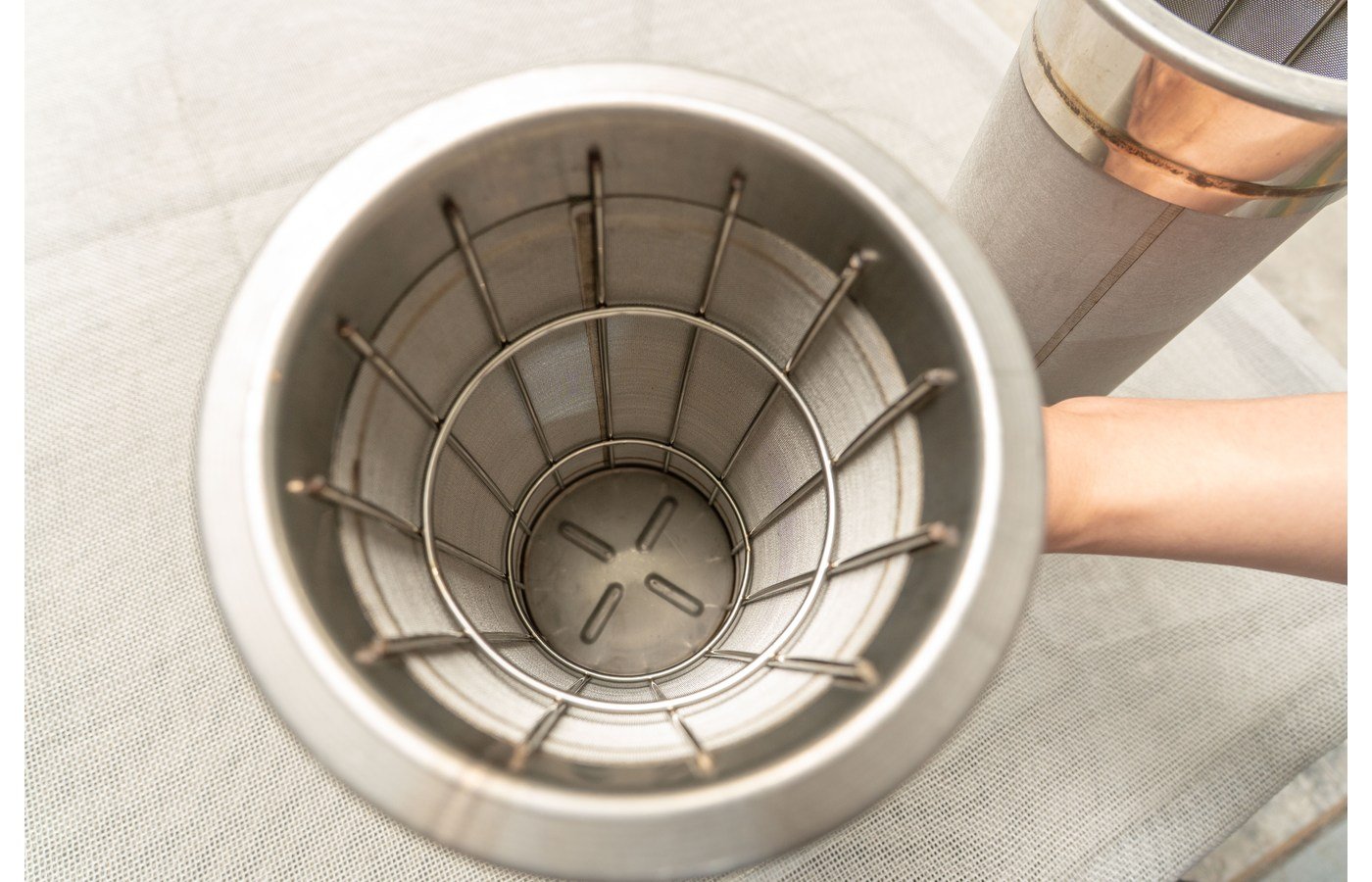
Element construction
316L Fiber Felt with an Integrated Support Structure
The filter layer uses porous 316L stainless steel fiber felt supported by a rigid stainless structure. The product data describes a gradient fiber distribution, which encourages surface filtration and dust-cake filtration instead of relying on deep particle loading inside the media.
This rigid element behaves differently from a flexible textile bag. During reverse pulse cleaning, the element changes shape less, so pulse airflow, ash discharge and element spacing need to be reviewed together to help release the dust cake cleanly.
For cement, lime kiln, metallurgy or other thermal processes, the construction review should include element weight, end connection, tube-sheet sealing, support load and maintenance access before it is treated as a replacement option.
Technical reference parameters
Typical Metal Fiber Felt Parameters
| Filter material | 316L stainless steel fiber felt |
|---|---|
| Basis weight | Average > 1800 g/m² |
| Thickness | Average > 0.8 mm |
| Porosity | ≥ 80% |
| Air permeability | Average > 120 L/(dm²·min) |
| Cross-direction breaking strength | Average > 1200 N/5 cm |
| Machine-direction breaking strength | Average > 1200 N/5 cm |
| Reference operating temperature | Continuous ≤ 450°C; short peak ≤ 600°C |
| Product data filtration reference | Particles above 0.5 µm; dust emission target ≤ 10 mg/Nm³ under a suitably designed system |
Filtration and cleaning
How the Rigid Metal Filter Element Works
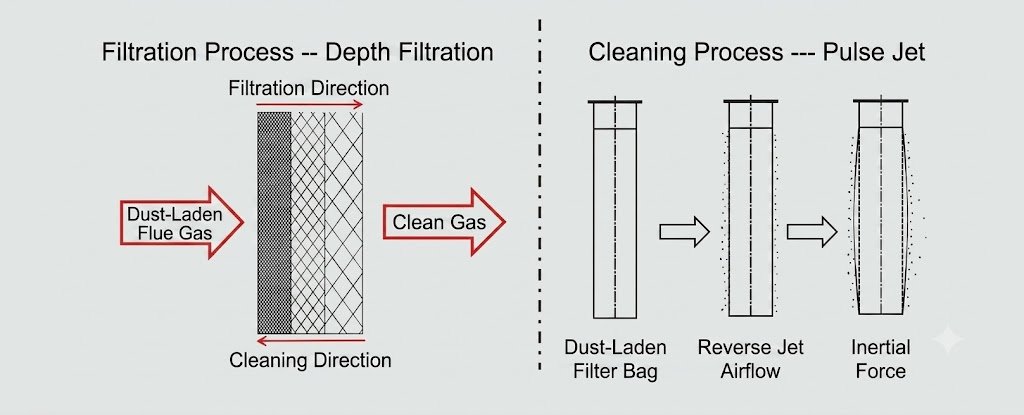
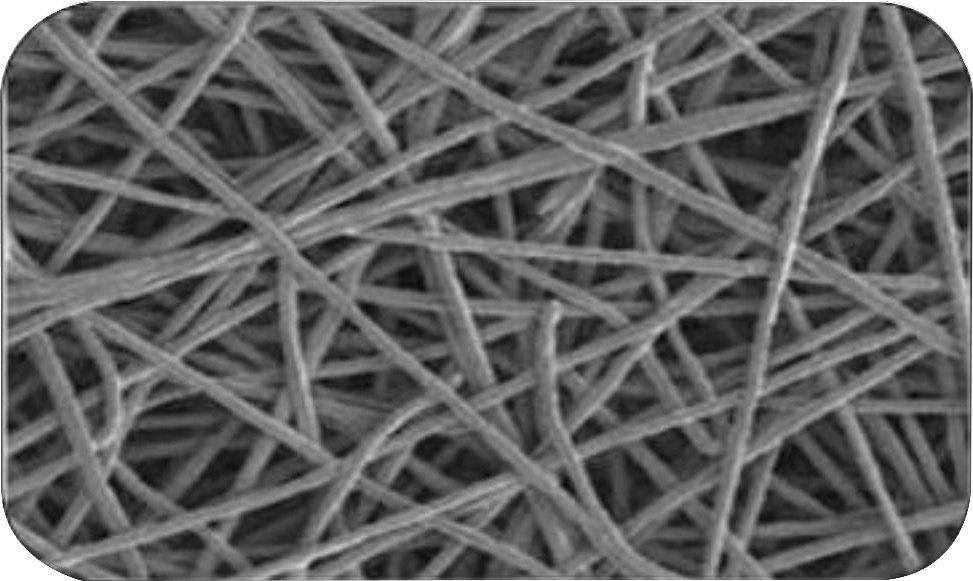
1. Surface and dust-cake filtration
Gradient metal fiber distribution helps the element rely mainly on surface capture and dust-cake filtration, reducing dependence on deep-layer filtration.
2. Lower deep-blocking risk
Because particles are encouraged to remain closer to the surface, internal pore blockage can be reduced when face velocity and pulse cleaning are correctly designed.
3. Reverse pulse cleaning support
The rigid construction has lower inertial movement than a flexible textile bag during cleaning, helping reverse airflow act more directly on the dust cake.
4. Metal fiber felt advantages
316L metal fiber felt is reviewed for high temperature, corrosion direction, strength, abrasion resistance and service life. The media also supports fine dust capture above 0.5 µm, high porosity around 80% or higher, good air permeability, lower resistance, recyclable media direction and conductivity to help reduce static risk when the system is properly grounded.
Application review
Suitable for Stable High-Temperature Dust Conditions
Where metal fiber filter bags may be considered
Metal fiber filter bags are best reviewed for dry, temperature-stable duties where the gas is not extremely corrosive. They are not a simple replacement for every textile bag, but they can be a useful direction when heat, strength, conductivity and pulse-cleaning stability are important.
- Cement and lime kiln dust collection
- Glass kiln and high-temperature mineral dust systems
- Titanium dioxide and alumina process dust review
- Biomass boiler dust collection where temperature is stable
- Ferroalloy smelting and selected metallurgy applications
- Other dry thermal processes after alloy compatibility, dew point and sealing are confirmed
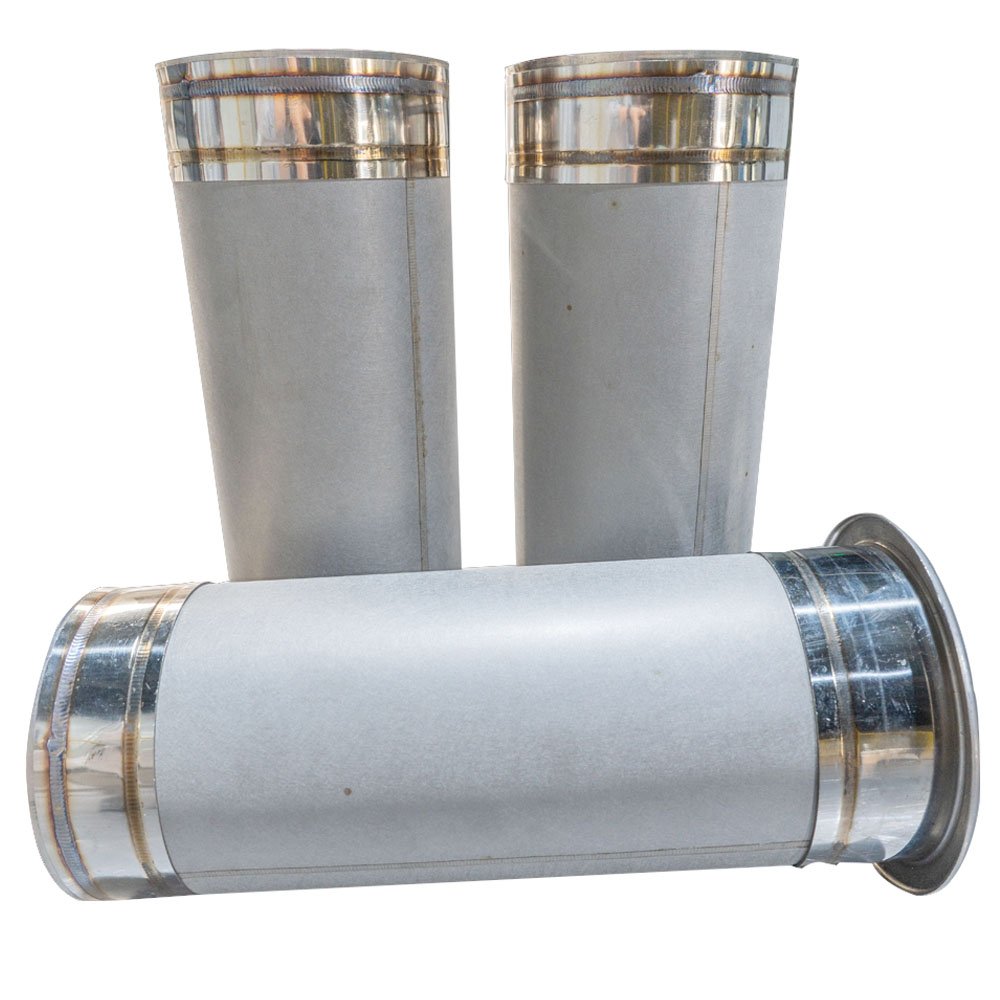
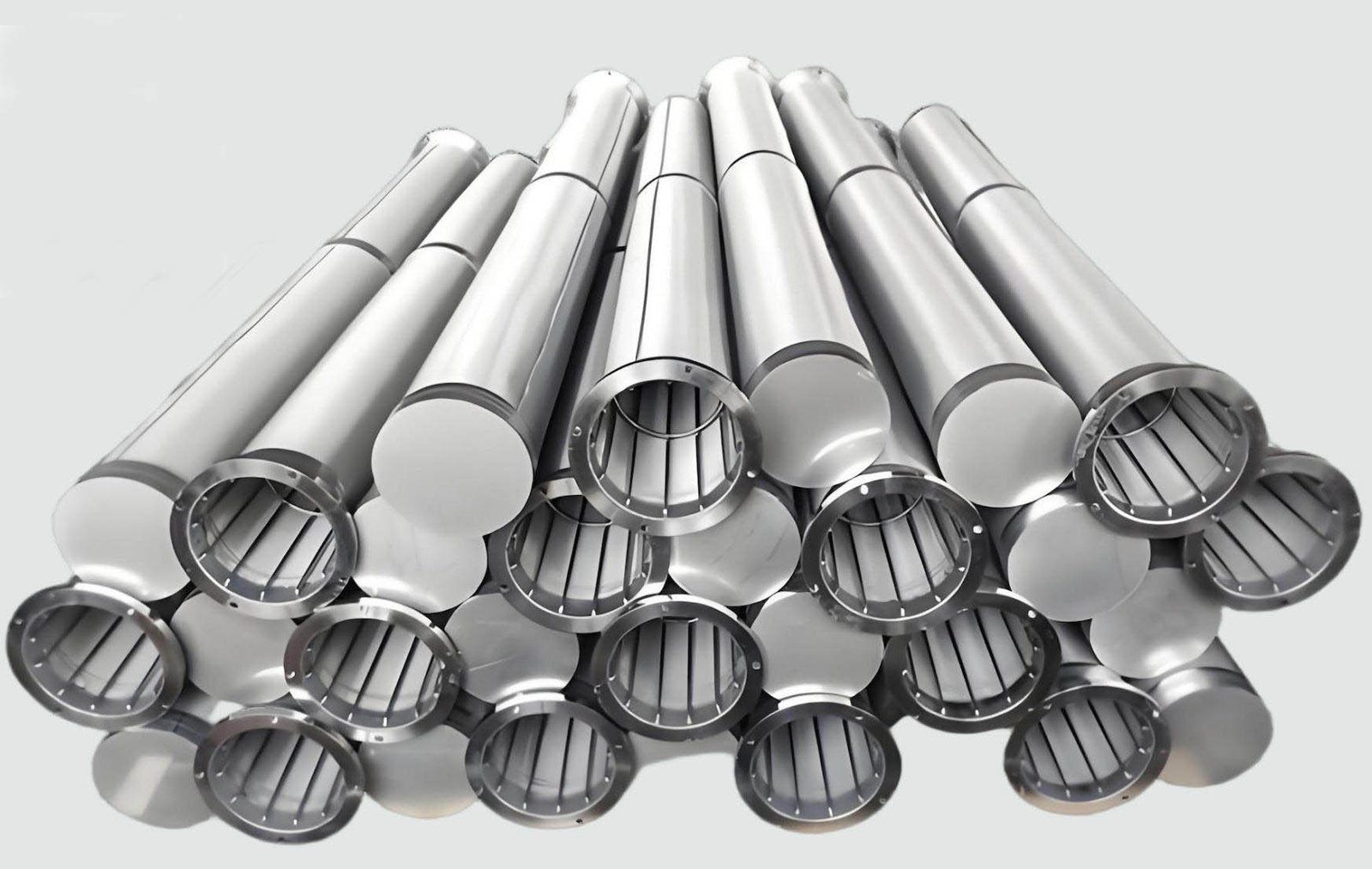 Finished rigid metal fiber filter elements shown in stacked form for thermal-process review.
RFQ information
What to Send Before Quotation
Operating condition
- Continuous and peak gas temperature
- Gas chemistry, oxygen, moisture and dew point
- Dust concentration, particle size and abrasiveness
- Required outlet emission and pressure-drop target
Mechanical information
- Element diameter, length and quantity
- Tube-sheet opening and connection detail
- Pulse pressure and cleaning sequence
- Existing drawing, sample or installation photos
Buyer questions
Metal Fiber Filter Bag FAQ
Can this element always operate continuously at 450°C?
No. The product data gives a reference value, but final temperature capability depends on alloy oxidation, support structure, seals, thermal cycling and gas chemistry.
Is 316L suitable for every corrosive gas?
No. Chlorides, acid dew point and specific reducing or oxidizing conditions can change corrosion risk. A gas analysis is required before confirmation.
Can it replace a normal fabric filter bag directly?
Usually not without review. The rigid element is heavier and uses different connection, sealing and cleaning behavior, so the collector structure must be checked.
Can the size and end connection be customized?
Yes. Diameter, length, flange, end cap, internal support and sealing construction can be designed from drawings or a confirmed sample.
Pinnacle engineering support
Review a Metal Fiber Filtration Project
Send the operating condition, existing collector drawing and required element size. Pinnacle will review the material direction, structure, sealing and pulse-cleaning requirements before quotation.