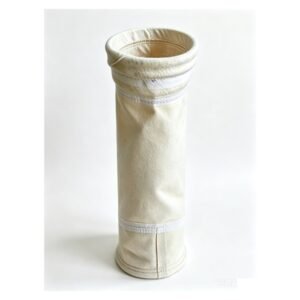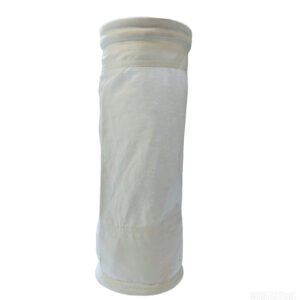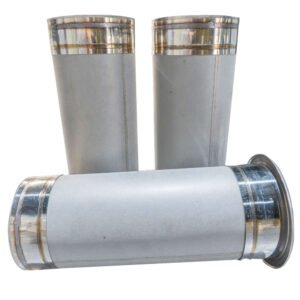


Fiberglass Filter Bag
Pinnacle Filter supplies custom fiberglass filter bags for high-temperature baghouse dust collection systems used in cement, asphalt, steel, carbon black, metallurgy and other heavy industrial applications.
- High-temperature woven fiberglass body for stable air permeability and pressure drop
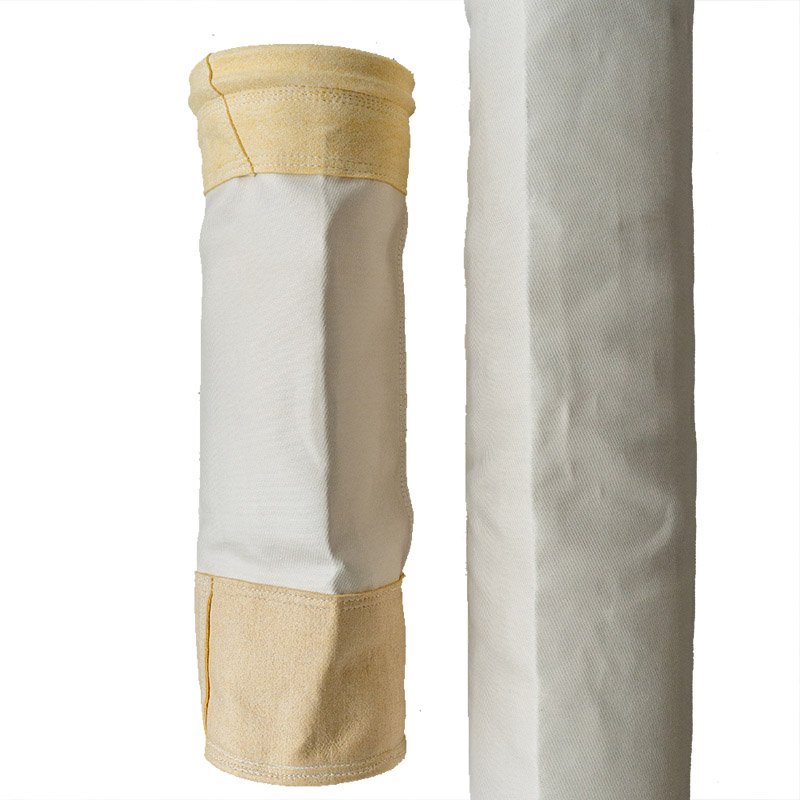
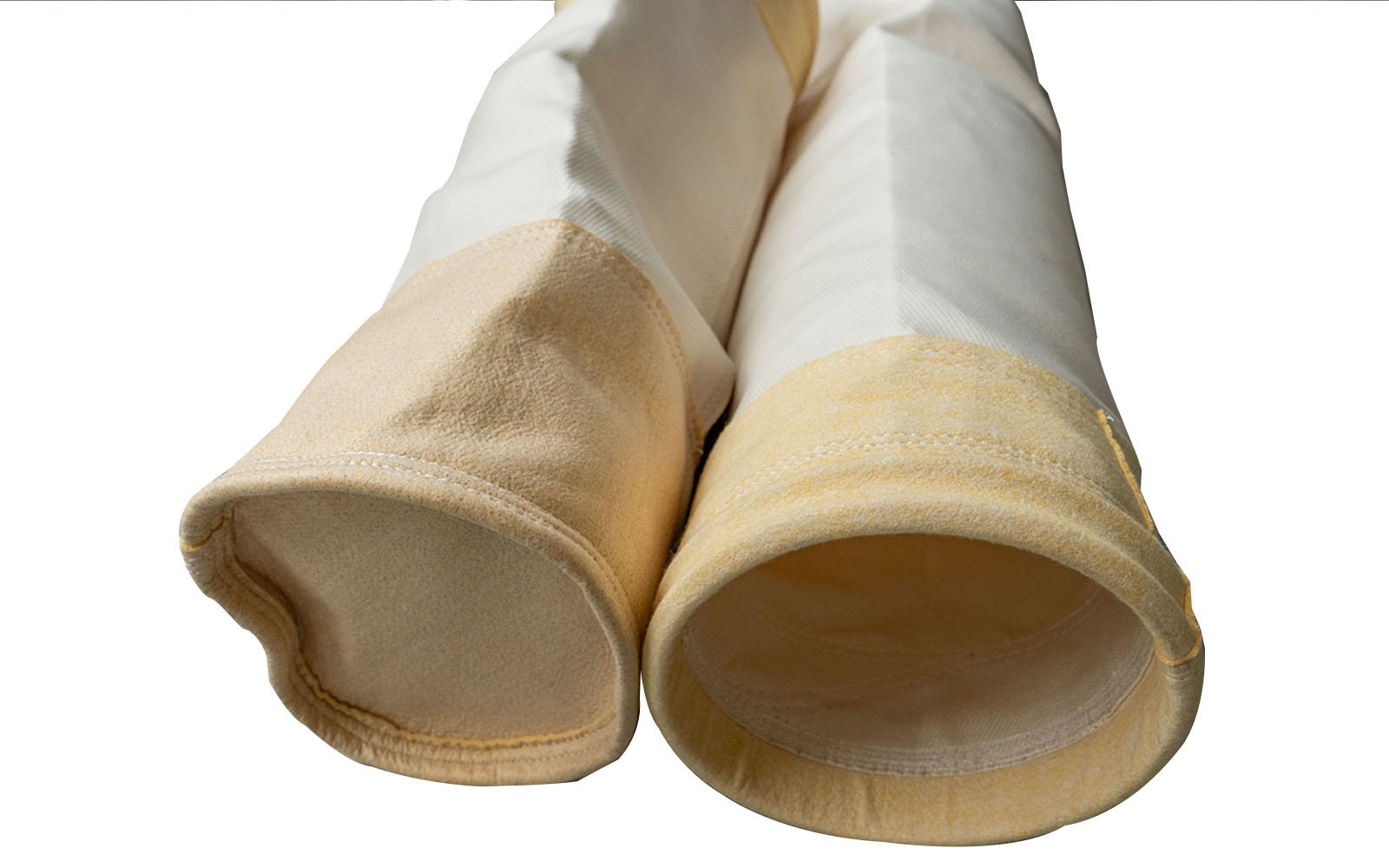
- P84 composite reinforced head and bottom can improve wear resistance at high-friction zones
- PTFE reinforcement can be reviewed for stronger corrosive gas conditions
Description
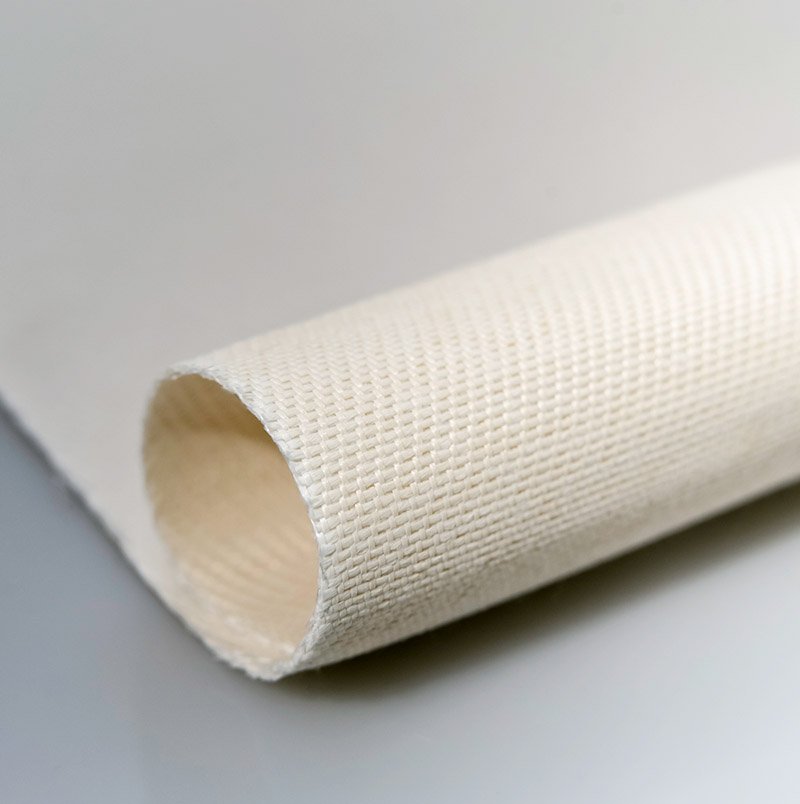
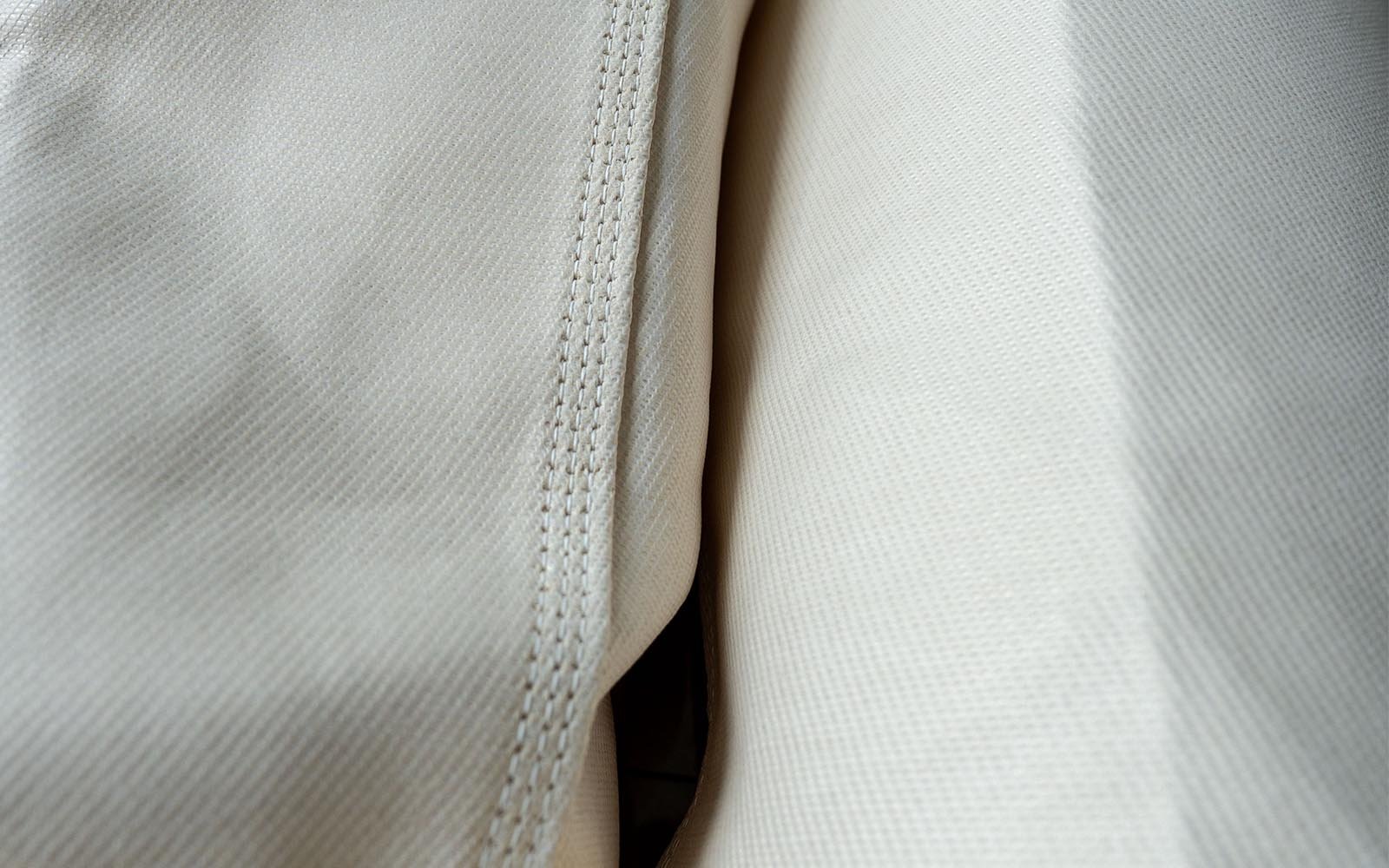
High-temperature woven media
Fiberglass Filter Bag for High-Temperature Dust Collection
Pinnacle Filter supplies custom fiberglass filter bags for high-temperature baghouse dust collection systems used in cement, asphalt, steel, carbon black, metallurgy, and other heavy industrial applications.
PRODUCTION AND QUALITY CONTROL
How Pinnacle Controls Custom Fiberglass Filter Bag Orders
For custom Fiberglass Filter Bag orders, Pinnacle Filter checks more than the material name. The finished bag must match the dust collector size, cage condition, top construction, temperature and dust behavior. The following production and inspection points help buyers review fiberglass woven media and finishing before shipment.
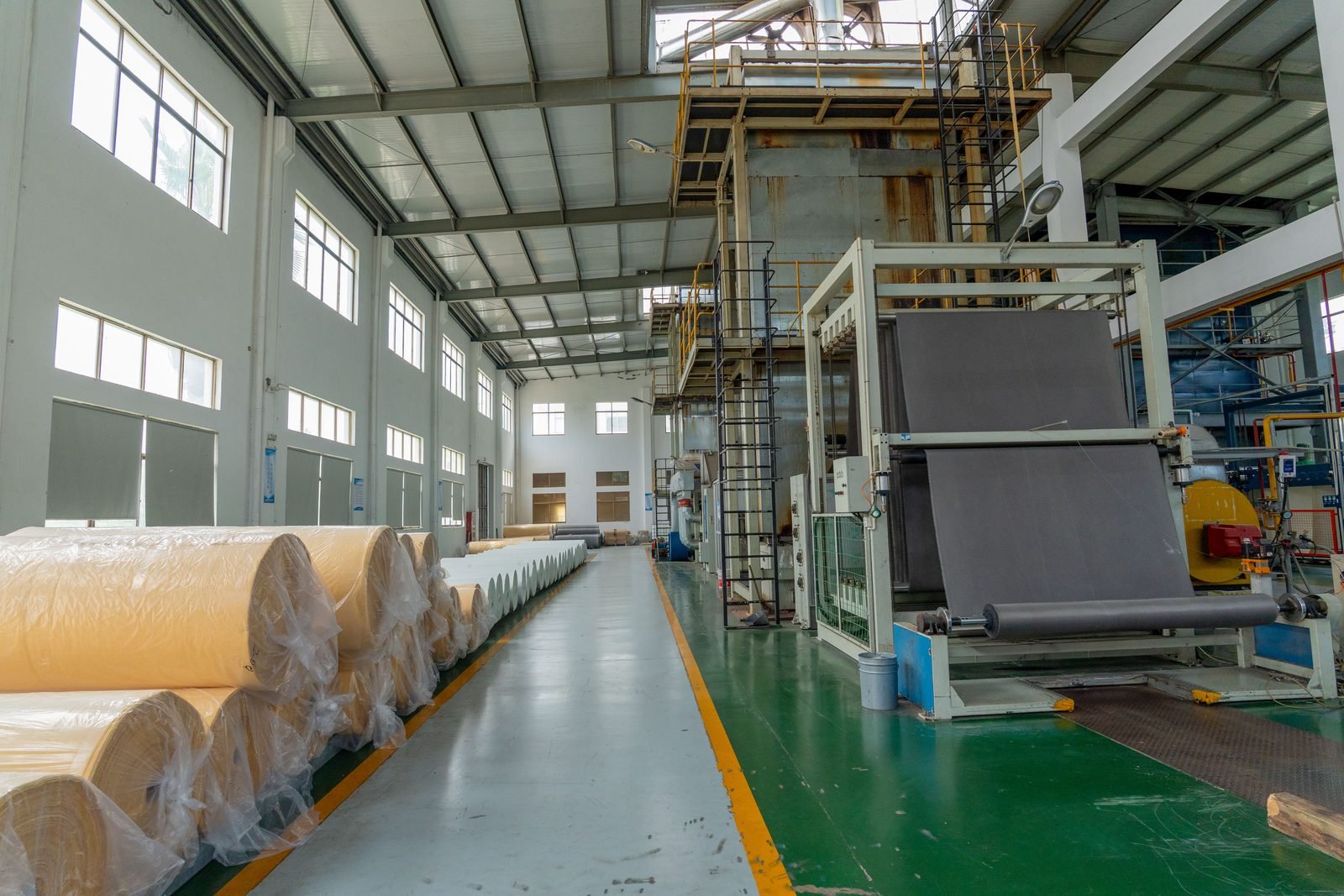
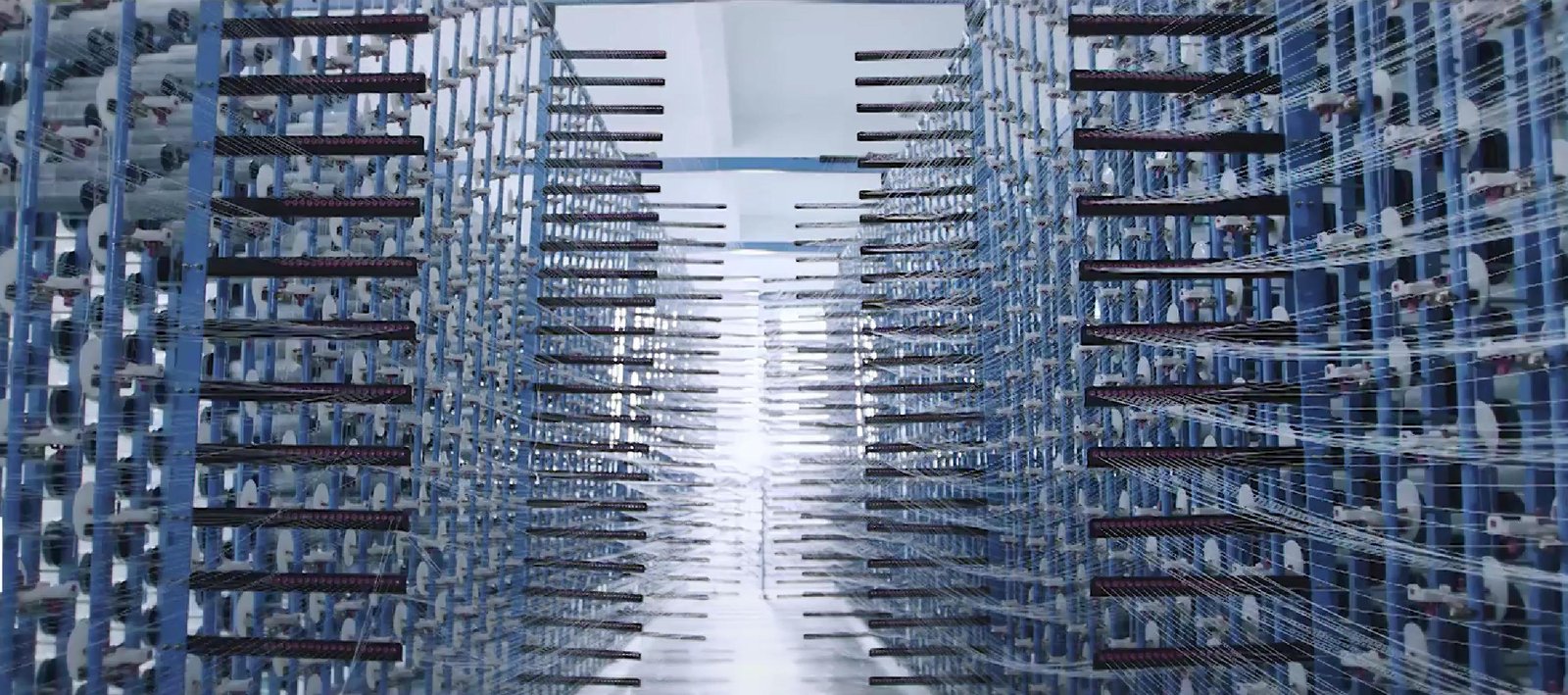
Media preparation
Media weight, surface treatment and finishing direction are reviewed before sewing, especially when dust release, abrasion or temperature stability matters.
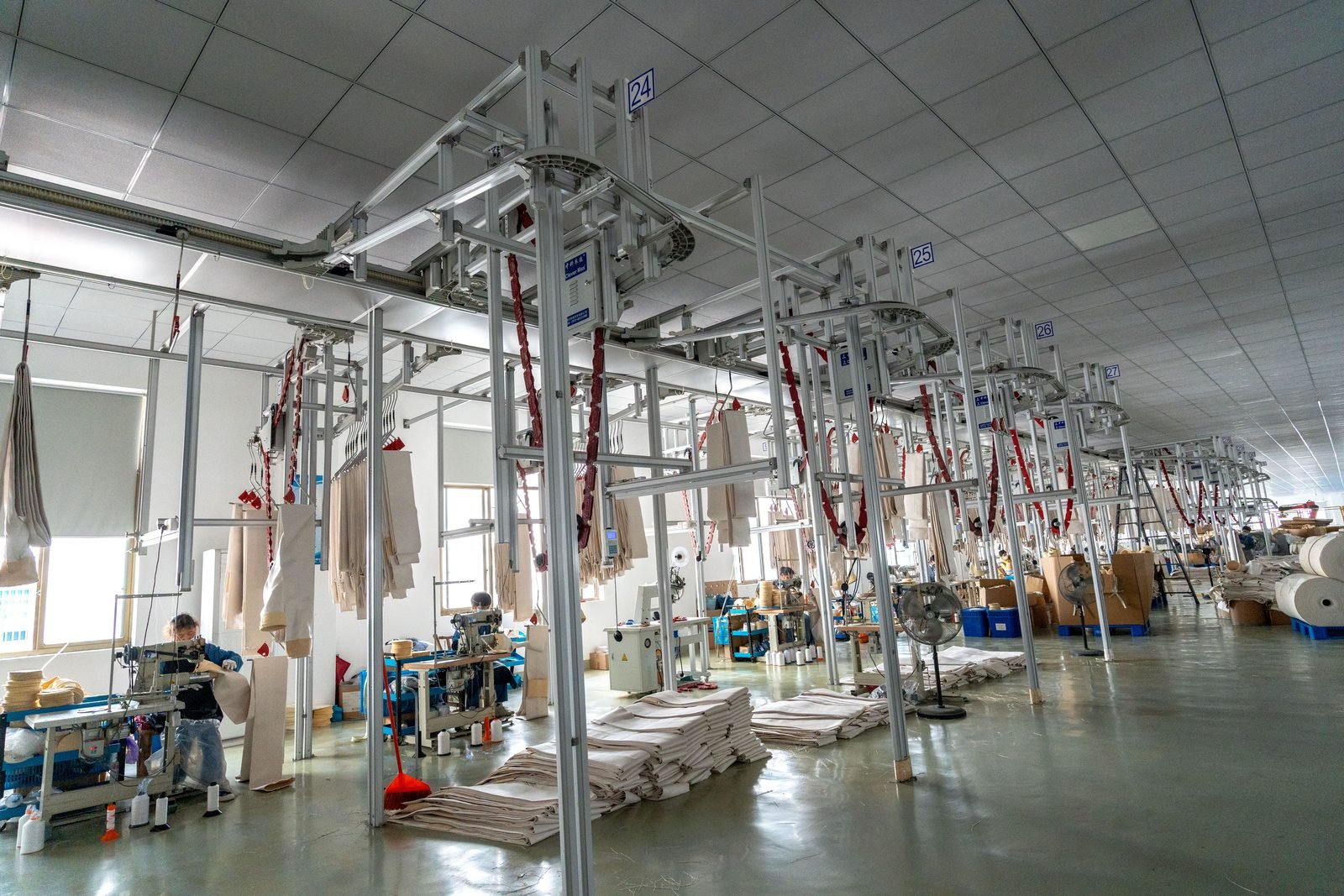
Bag sewing workshop
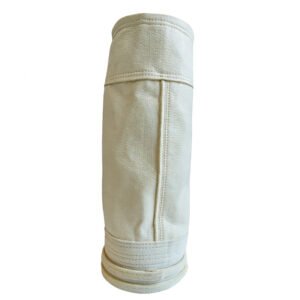
Bag length, top style, bottom reinforcement and seam direction are checked during sewing so the finished bag matches the dust collector design.
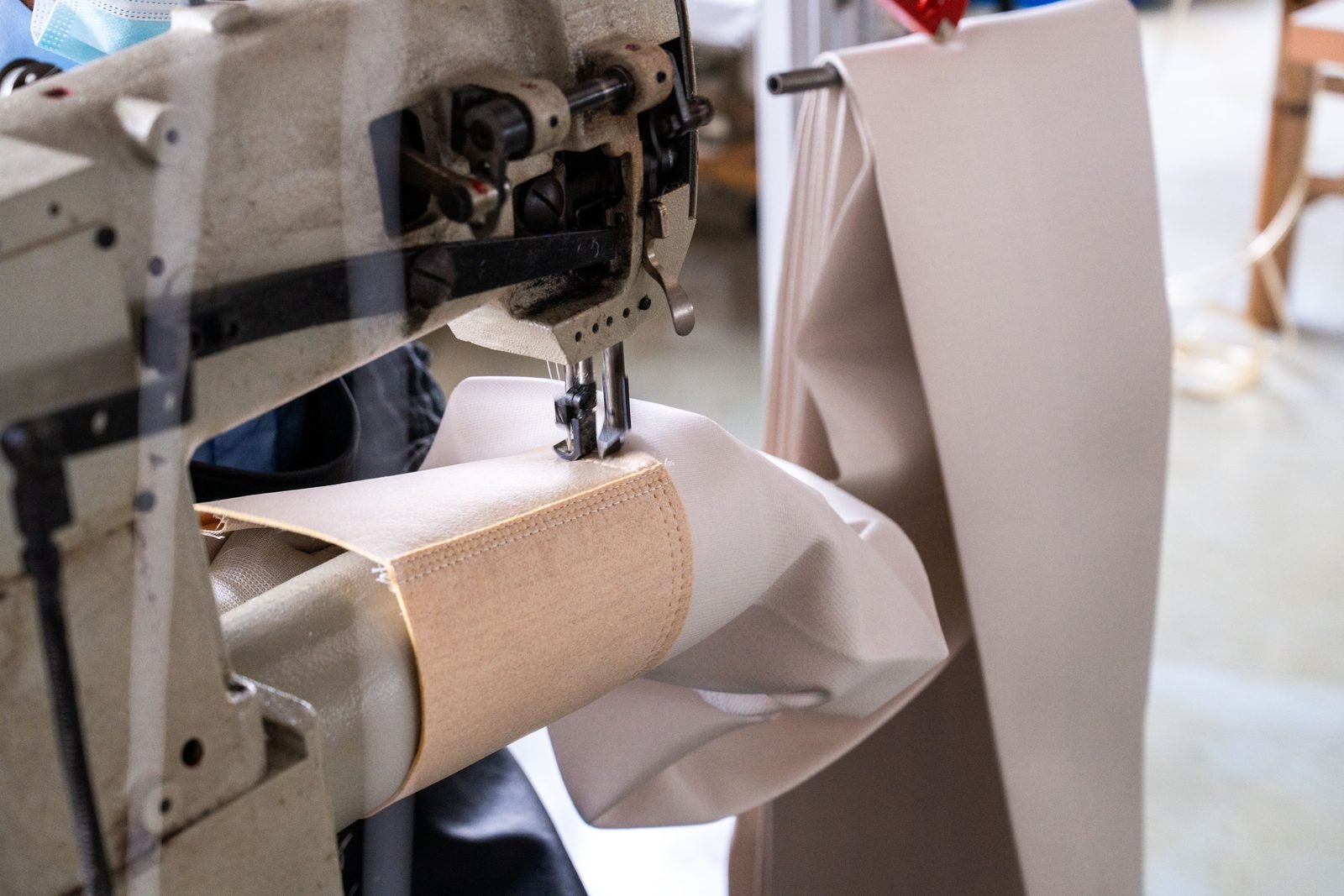
Seam and construction detail
For replacement orders, seam strength and top or bottom construction affect sealing and service life more than appearance alone.
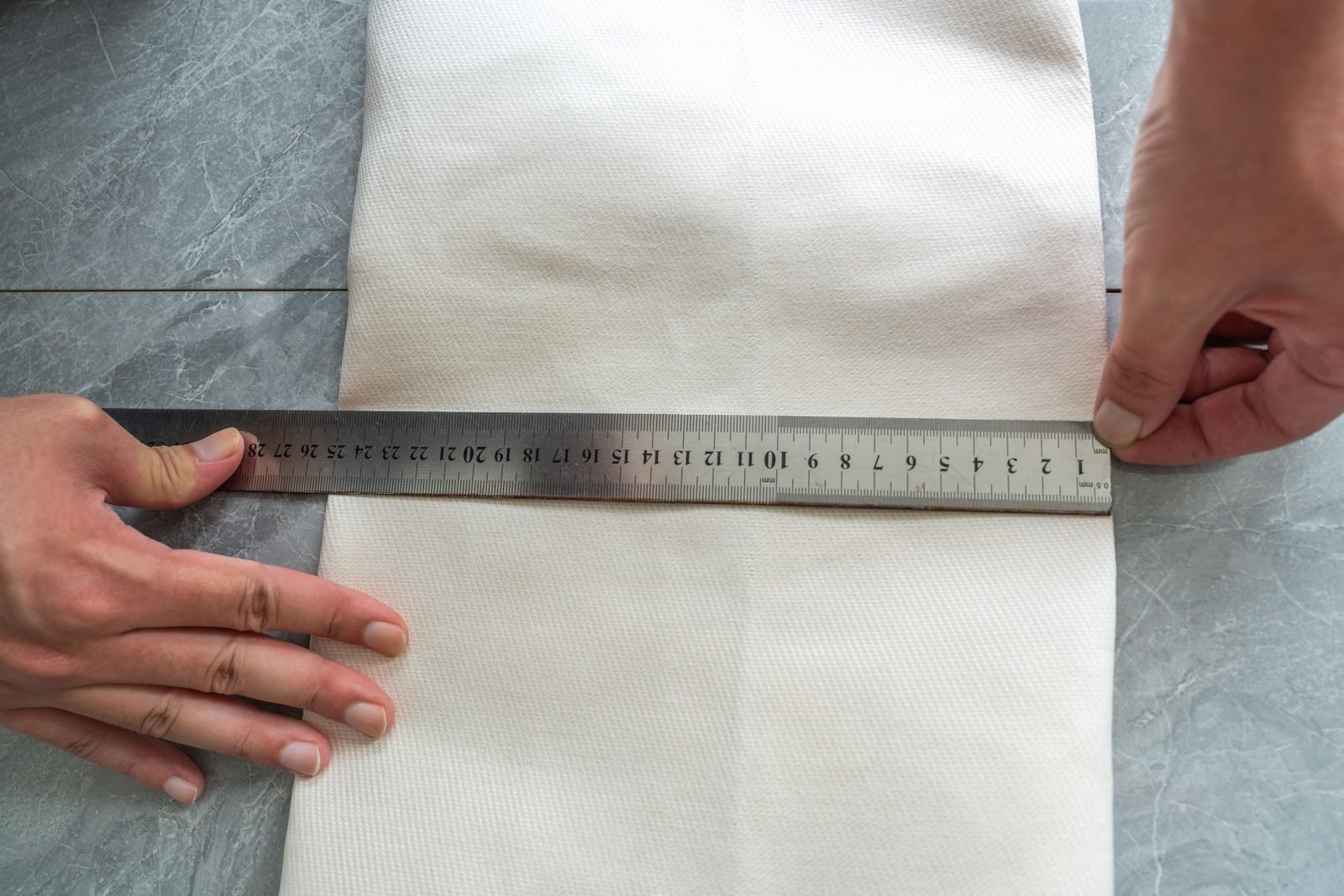
Construction and size review
Top cuff, bottom reinforcement, diameter, length and finished size should be reviewed before packing. Old samples or drawings make replacement orders more reliable.
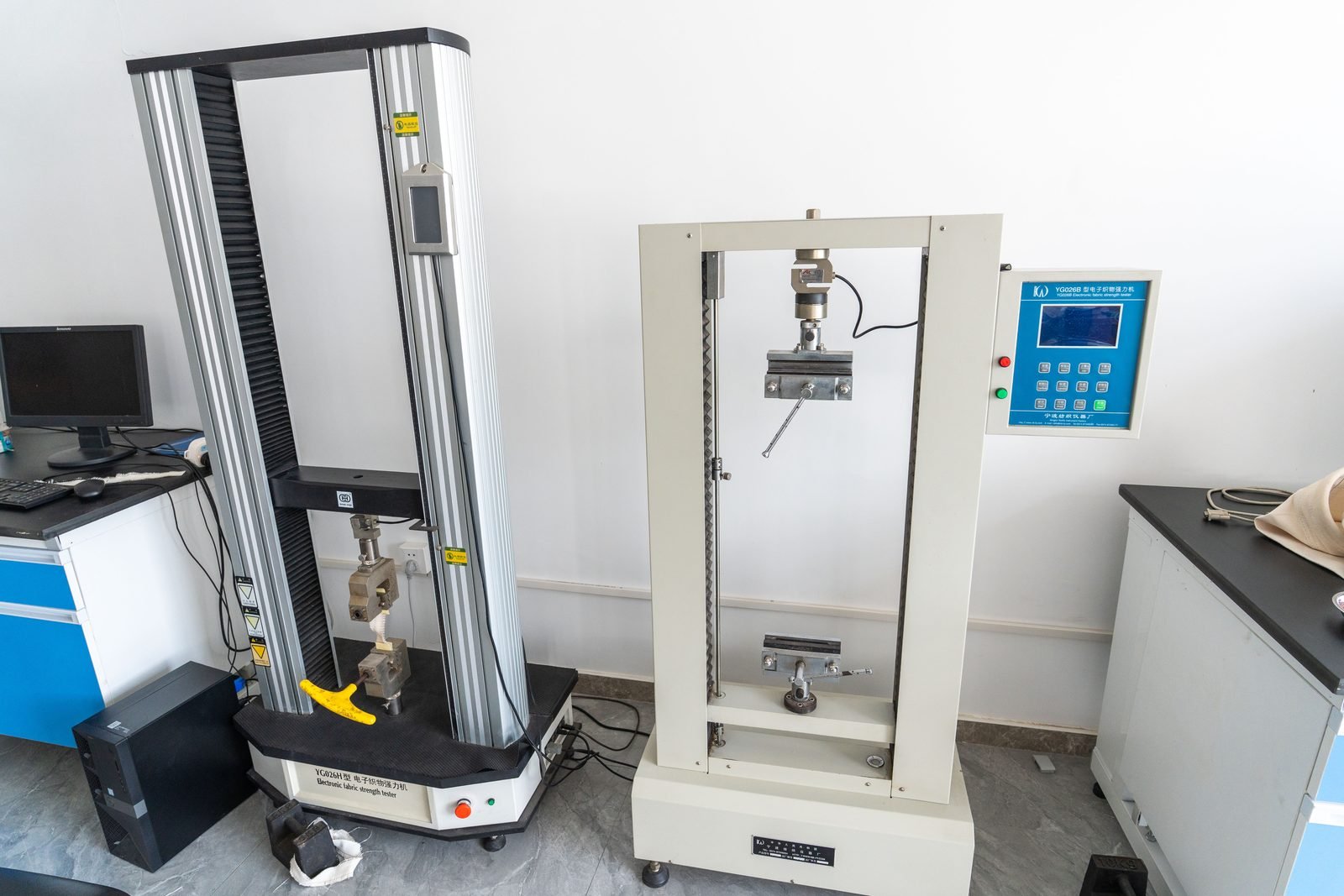
Material testing
Typical checks can include weight, thickness, tensile strength, air permeability and heat-related review, depending on the material and operating condition.
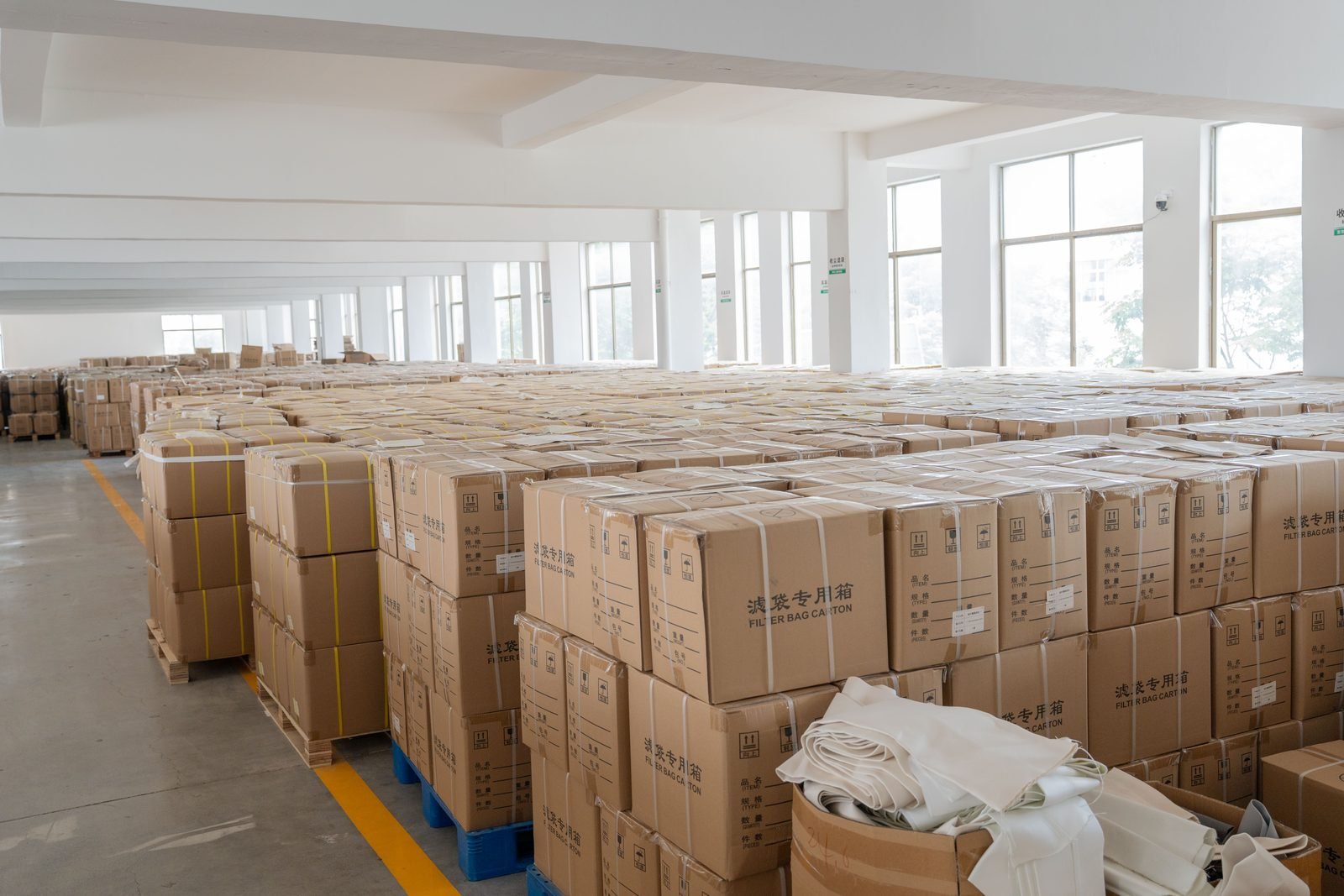
Packing and delivery
Finished bags are packed according to quantity, bag size and delivery method. Clear packing requirements help reduce deformation during transport.
From Fiberglass Media to Finished Filter Bag Construction
Fiberglass is not only a temperature number. The fabric weight, finish, sewing thread, top design, bottom reinforcement and cage fit all affect service life in a real baghouse.
Common applications
Cement kilns, clinker coolers, asphalt mixing plants, steel furnaces, carbon black production, metallurgy, and high-temperature flue gas filtration systems commonly evaluate fiberglass filter bags.
High-temperature advantages
Why Buyers Choose Fiberglass
Dimensional stability
Fiberglass can hold shape under high-temperature operation.
PTFE membrane option
Surface filtration can help lower emissions and improve dust release.
Acid treatment option
Finish can be selected for acidic gas conditions.
Custom construction
Snap band, corded top, flange top, reinforced bottom and PTFE thread can be specified.
What to confirm
Fiberglass RFQ Details
| Item | What Pinnacle checks |
|---|---|
| Temperature | Continuous and peak temperature, including short-term spikes. |
| Gas condition | Acid gas, oxygen, moisture and chemical composition. |
| Dust behavior | Fine, abrasive, sticky or heavy dust loading. |
| Collector fit | Cage diameter, tube sheet, top/bottom design and cleaning method. |
Technical selection guide
Fiberglass Filter Bag Specifications, Applications and Selection Notes
Fiberglass filter bags are built for high-temperature baghouse dust collection where dimensional stability and woven media matter. They are often combined with PTFE membrane, acid treatment or special sewing construction for cement, steel, foundry and incineration systems.
| Typical temperature direction | High-temperature filtration; confirm continuous and peak temperature before final selection. |
|---|---|
| Media options | Fiberglass fabric, PTFE membrane, acid treatment and other surface treatments. |
| Construction options | Snap band, corded top, flange top, reinforced bottom, PTFE thread and custom seam. |
| System fit | Cage diameter, tube sheet, pulse cleaning and handling strongly affect service life. |
Where This Fiberglass Filter Bag Is Commonly Used
Cement kiln / clinker cooler
High heat and dimensional stability are key concerns.
Steel and foundry
Hot gas filtration with abrasive dust.
Waste incineration
May need membrane or acid-resistant treatment.
Carbon black / minerals
High-temperature process dust collection.
Operating Boundaries to Check
- Low flex resistance compared with needle felt: Cage fit and handling must be controlled.
- Severe corrosion: PTFE or special treatment should be reviewed.
- Poor installation: Glass fibers can be damaged by rough handling.
- Aggressive pulse cleaning: Can shorten life if pressure and cage fit are wrong.
Common Failure Causes
- Broken fabric or cracks: Handling, cage fit or flex fatigue may be the cause.
- Dust leakage: Membrane damage, top sealing or seam issue should be checked.
- High pressure drop: Dust cake release and cleaning setting need review.
- Bottom wear: Reinforced bottom or airflow adjustment may be needed.
Selection Advice from Pinnacle Filter
For fiberglass projects, send temperature profile, gas chemistry, dust characteristics, cage size and current bag photos. Pinnacle can recommend fabric weight, membrane, acid treatment and sewing design for the actual baghouse.
Related product pages and next steps
Pinnacle Filter Support
Request Fiberglass Filter Bag Specifications
Send bag size, working temperature, gas chemistry, dust type and current problem. Pinnacle will recommend fiberglass weight, finish and sewing design.
Fast RFQ checklist
Technical Reference
Typical Fiberglass Filter Bag Specifications
Before comparing specifications: Ask for the units, test method and test pressure used for air permeability, and the stated conditions for temperature limits. Confirm that the results apply to the finished media and required treatment. Reference filtration velocity and emissions values are not a performance guarantee for your baghouse.
Use this table as a reference for initial material review. Final weight, thickness, finishing, top construction and bag size can be customized according to the dust collector design and operating conditions.
| Item | 450 g/m2 PTFE Membrane Fiberglass | 780 g/m2 Acid-Treated PTFE Membrane Fiberglass |
|---|---|---|
| Material | E-glass | E-glass |
| Weight | 450 g/m2 | 780 g/m2 |
| Thickness | 0.4 mm | 0.85 mm |
| Permeability | 38 L/m2/s at 200 Pa | 30 L/(dm2*min) |
| Tensile strength | Warp 3200 N/5*20 cm; weft 2850 N/5*20 cm | Warp 4400 N/5*20 cm; weft 3800 N/5*20 cm |
| Tensile elongation | Warp <2%; weft <2% | Warp <2%; weft <2% |
| Temperature | Continuous 260°C; peak 280°C | Continuous 260°C; peak 300°C |
| Finishing | PTFE membrane | Acid treatment and PTFE membrane |
| Filtration velocity reference | <0.9-1.1 m/min | <1.0 m/min |
| Dust emission reference | <20 mg/Nm3 where system conditions are suitable | <20 mg/Nm3 where system conditions are suitable |
Buyer Questions
FAQ
Is fiberglass suitable for cement plants?
Yes. It is commonly considered for high-temperature cement baghouse applications.
Can a fiberglass filter bag have a PTFE membrane?
Yes. A PTFE membrane is an optional surface layer on the fiberglass fabric. Specify both the fiberglass base media and the required finish when requesting a quote; a membrane-laminated fiberglass bag is different from a bag made from PTFE felt.
What can shorten fiberglass bag life?
Rough cages, wrong pulse pressure, poor handling, chemical attack or incorrect bag-to-cage fit.
Related Technical Guides