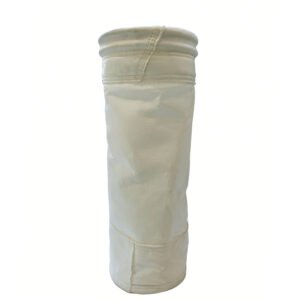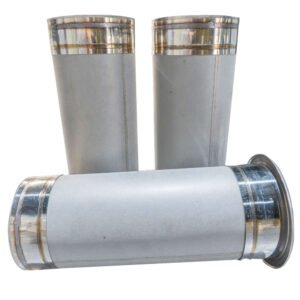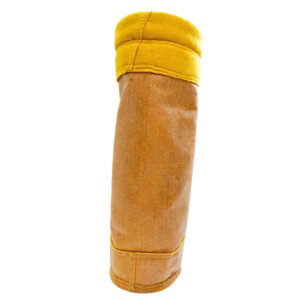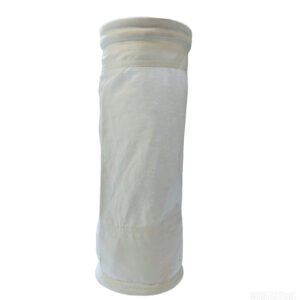
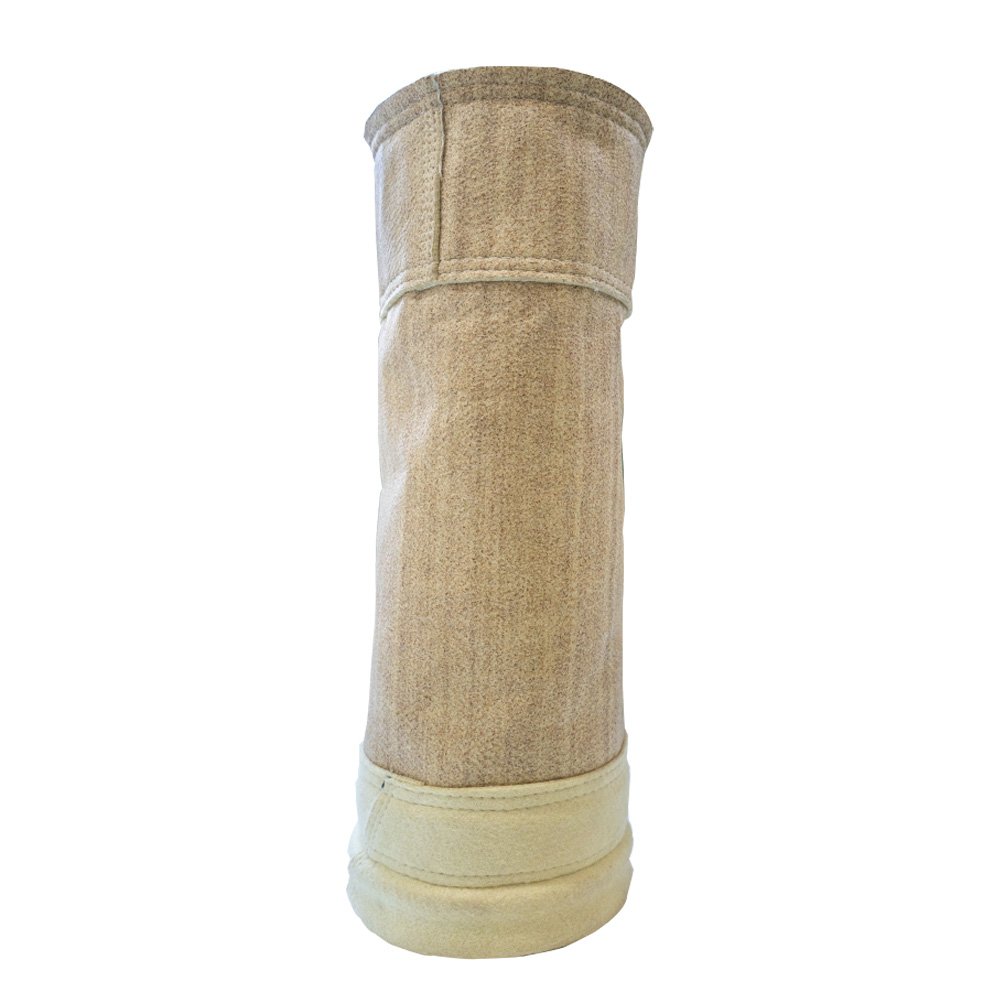
Aramid Filter Bag
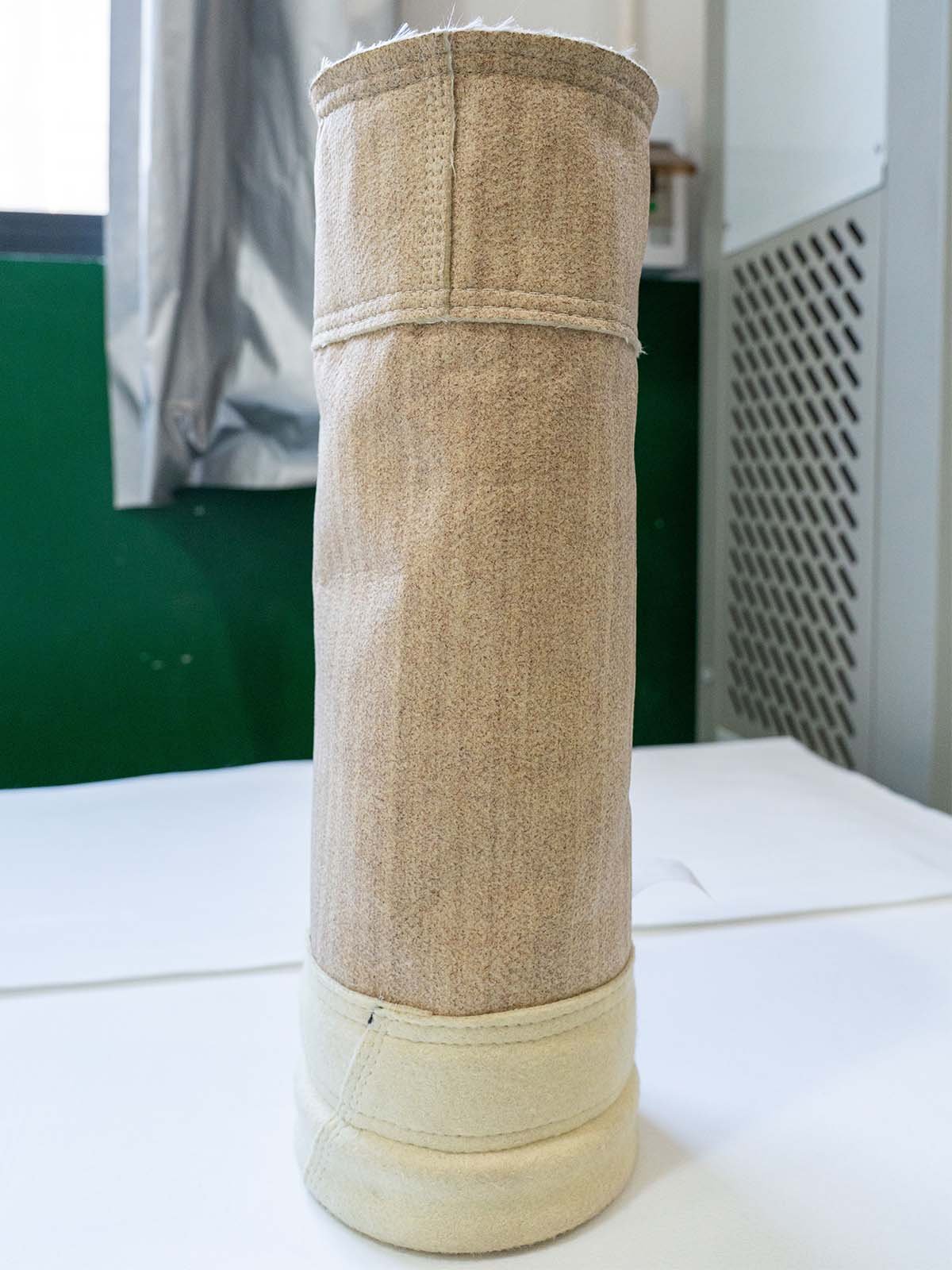
Pinnacle Filter supplies custom Aramid / Nomex filter bags for asphalt plants, hot gas dust collectors and medium-high temperature baghouse systems where standard polyester may fail from heat or mechanical stress.
- Common use: asphalt mixing plants, hot gas filtration and abrasive baghouse duty
- Custom construction: diameter, length, top style, bottom reinforcement and seam direction
- Quote basis: working temperature, dust type, bag size, cage condition and current bag life
Description
ENGINEERING BUYING LOGIC
When an Aramid Filter Bag Makes Sense
Temperature is above polyester range
Aramid is commonly reviewed when the system runs hotter than standard polyester can safely handle, but does not require fiberglass or PTFE media.
Asphalt smoke and hot aggregate dust
Asphalt mixing plants often combine heat, pulse cleaning and sticky dust behavior, so material and finish should be checked together.
Replacement bags fail too early
If old polyester bags harden, shrink, leak or fail near the top/bottom, aramid may be part of the upgrade path.
FACTORY PROCESS
How Pinnacle Controls Custom Aramid Filter Bag Orders
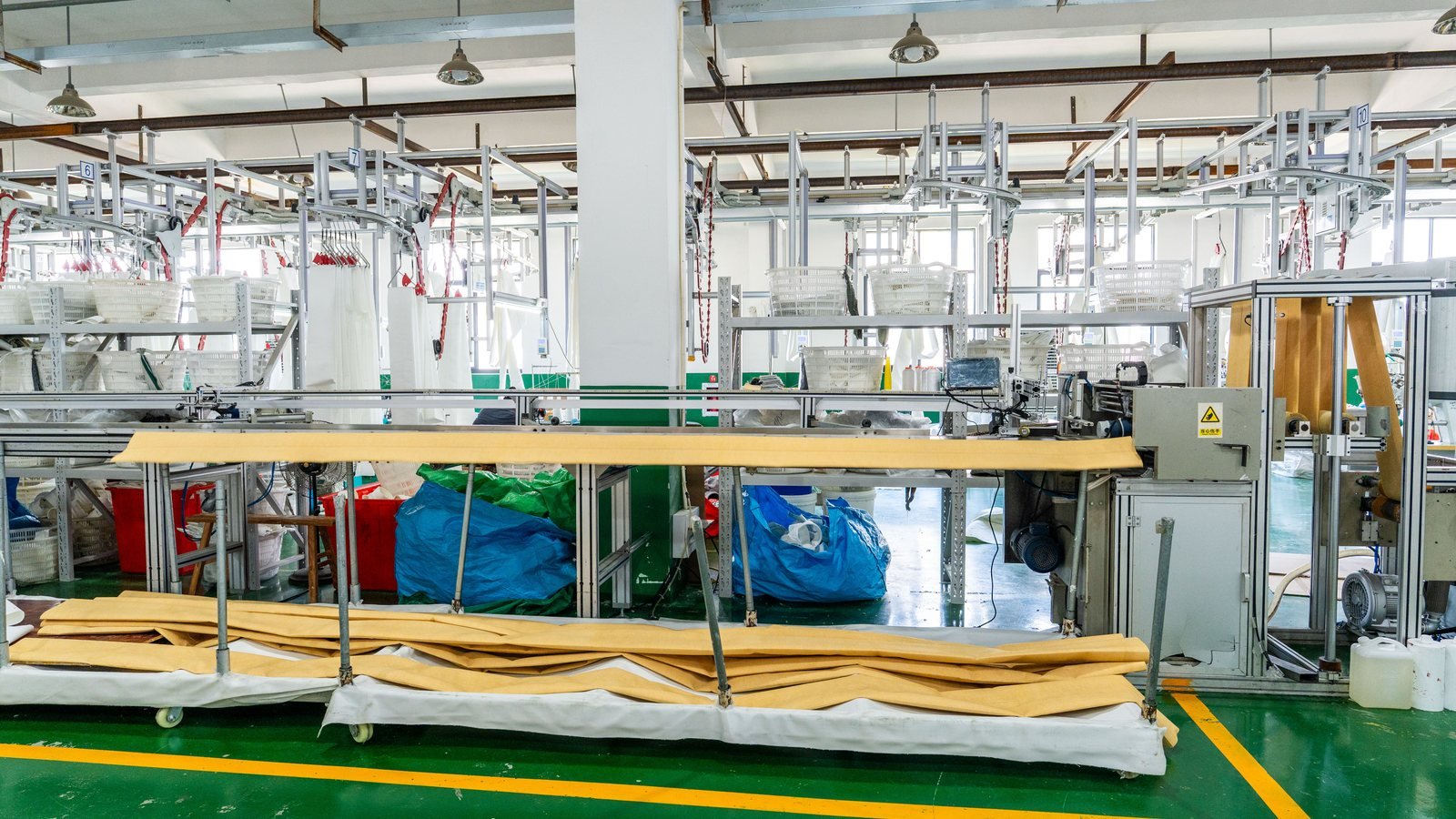
For custom Aramid / Nomex filter bag orders, consistent sizing, seam construction, material checks and packing control are important to long-term baghouse performance. Pinnacle Filter reviews the following production and inspection steps to help the finished filter bag match the real dust collector operating condition.
Media preparation
Needle felt media, surface treatment and finishing direction should be reviewed before bag sewing, especially when heat, abrasion or dust release is important.
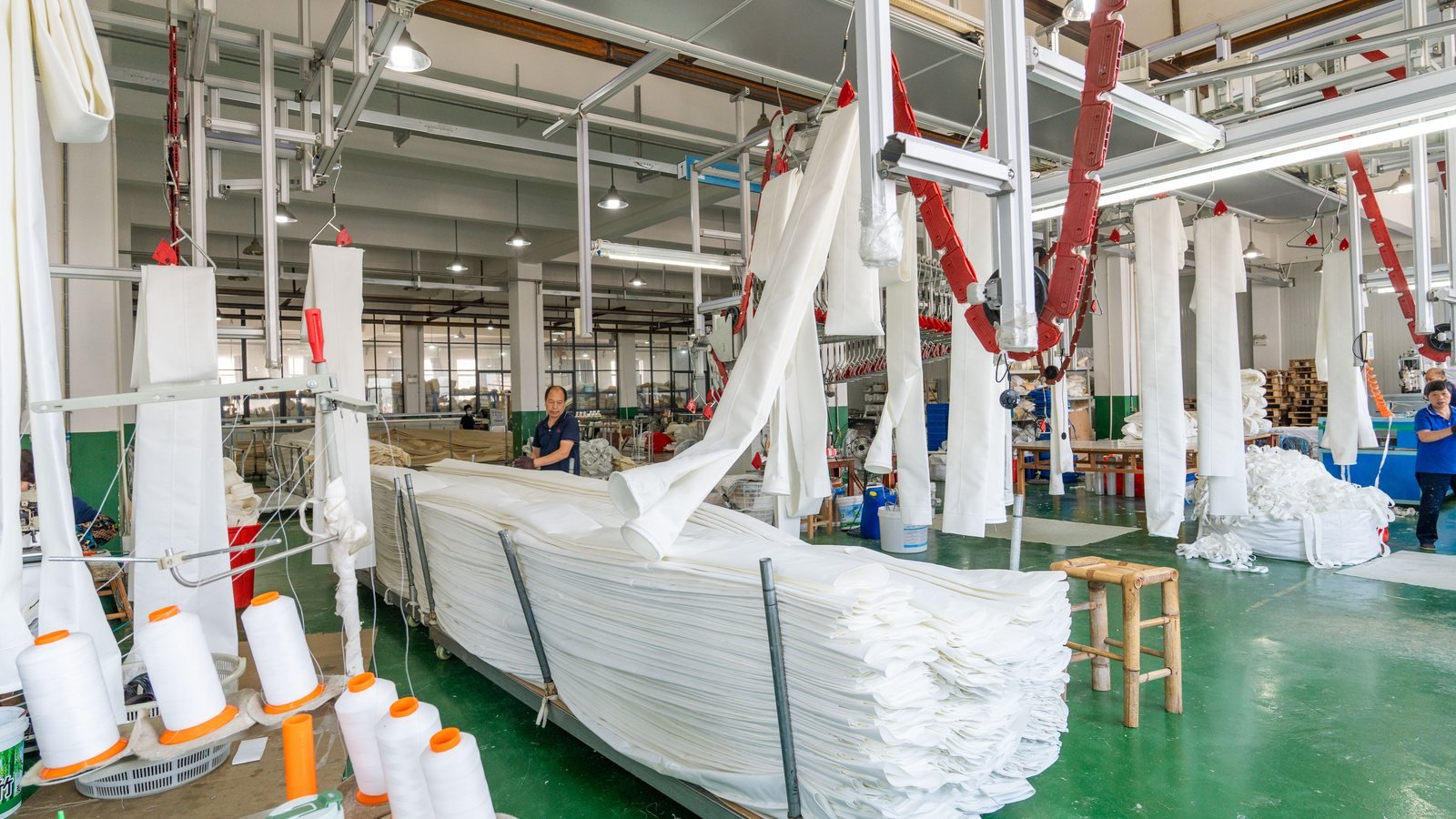
Bag sewing workshop
Bag length, top construction, bottom reinforcement and seam direction are confirmed during sewing so the finished bag matches the dust collector design.
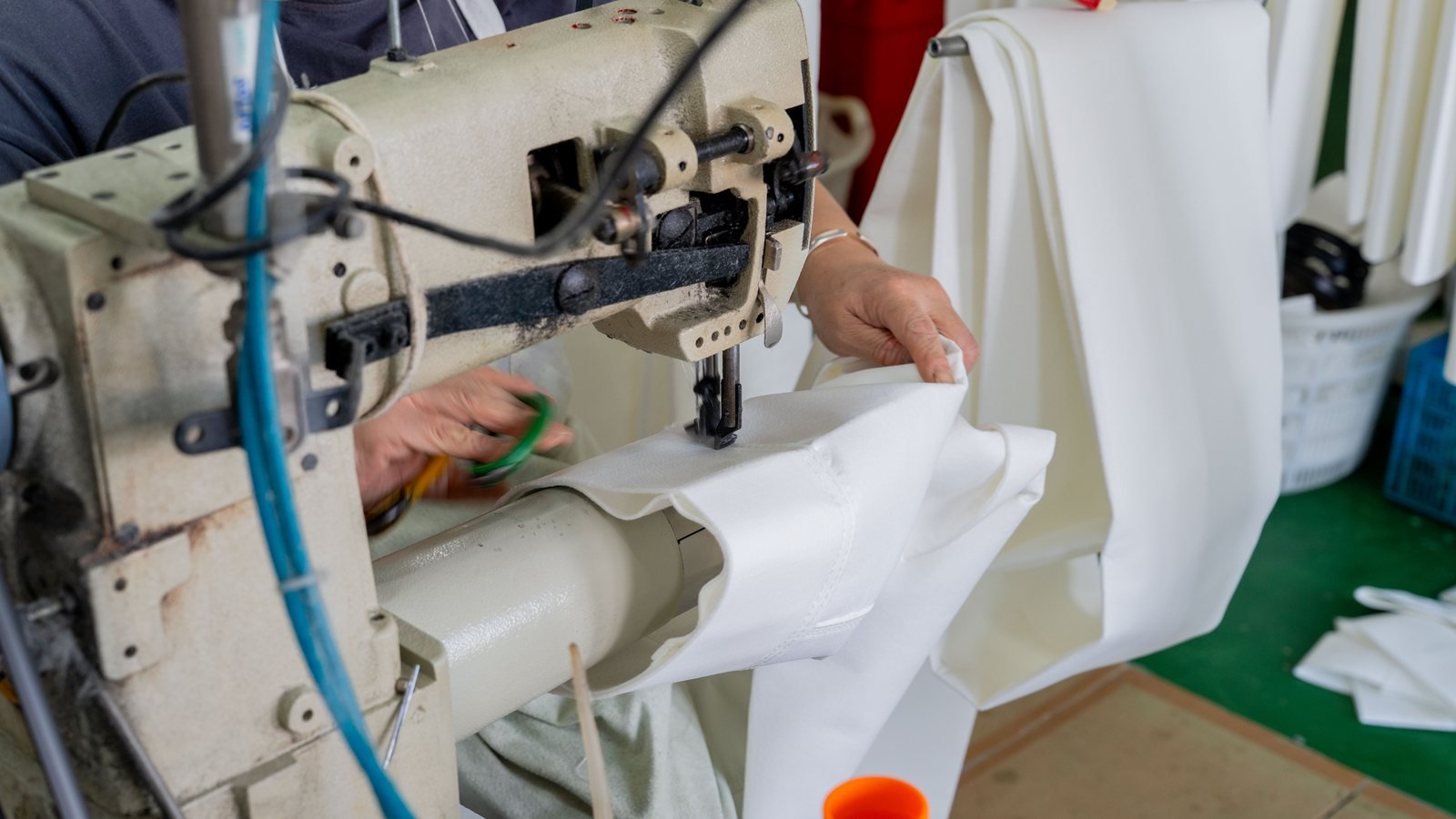
Seam and construction detail
For replacement Aramid filter bags, seam strength and top or bottom construction affect sealing and service life more than appearance alone.
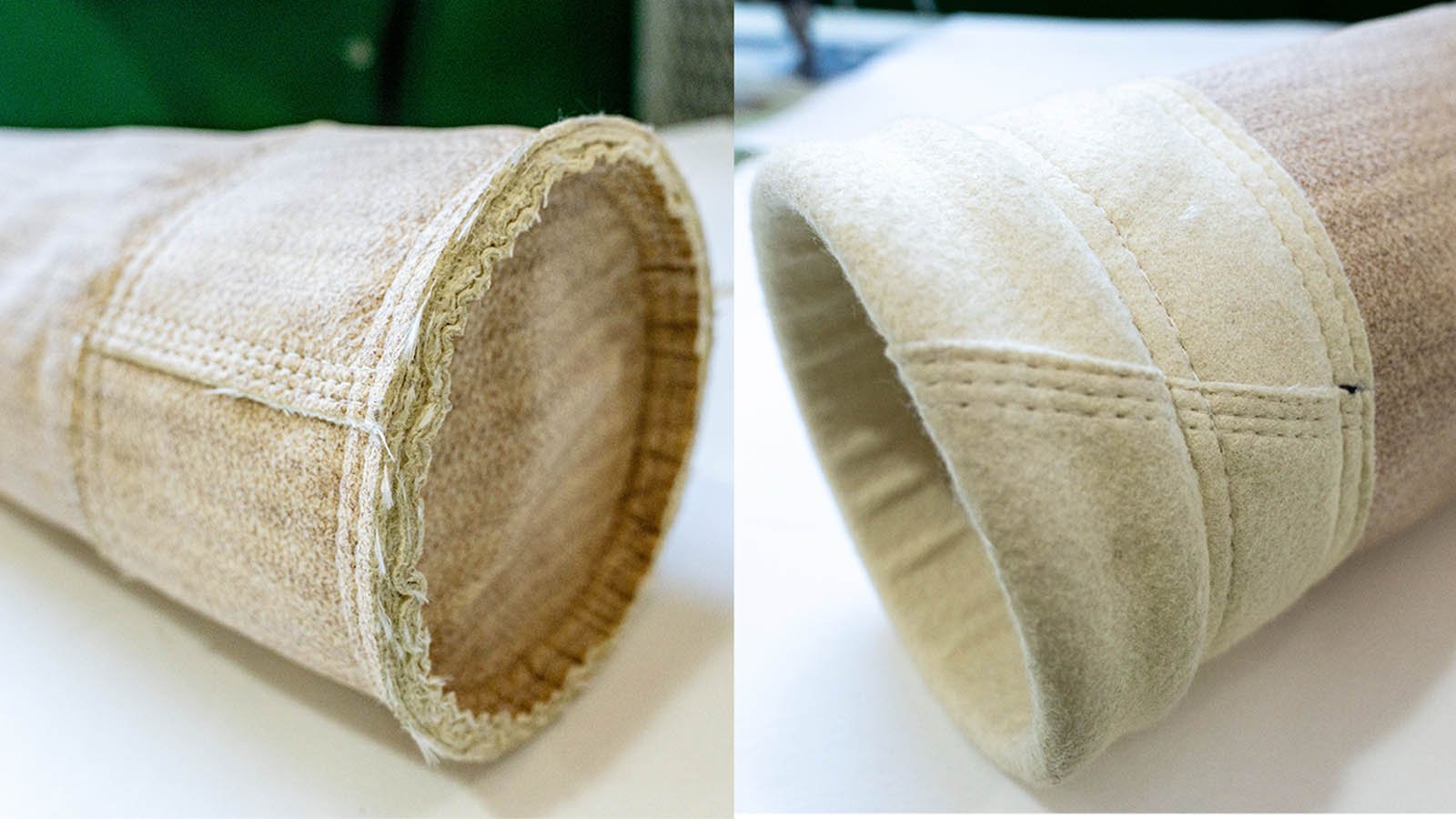
Construction and size review
Top cuff, bottom reinforcement, seam direction and finished size should be reviewed before packing. Spare bag samples, drawings or tube-sheet data make replacement orders more reliable.
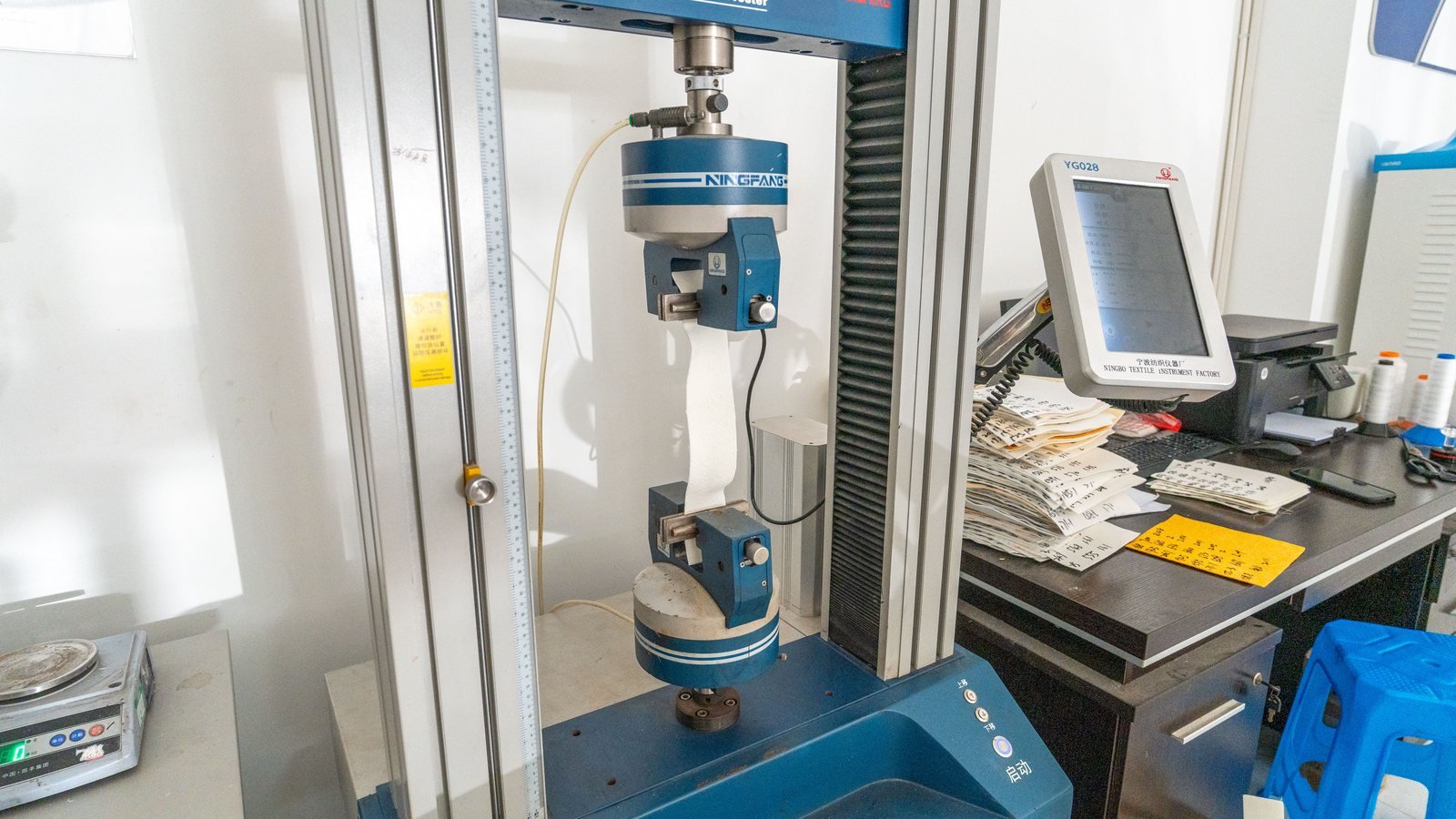
Material testing
Typical checks can include weight, thickness, tensile strength, air permeability and heat-related review, depending on the material and operating condition.
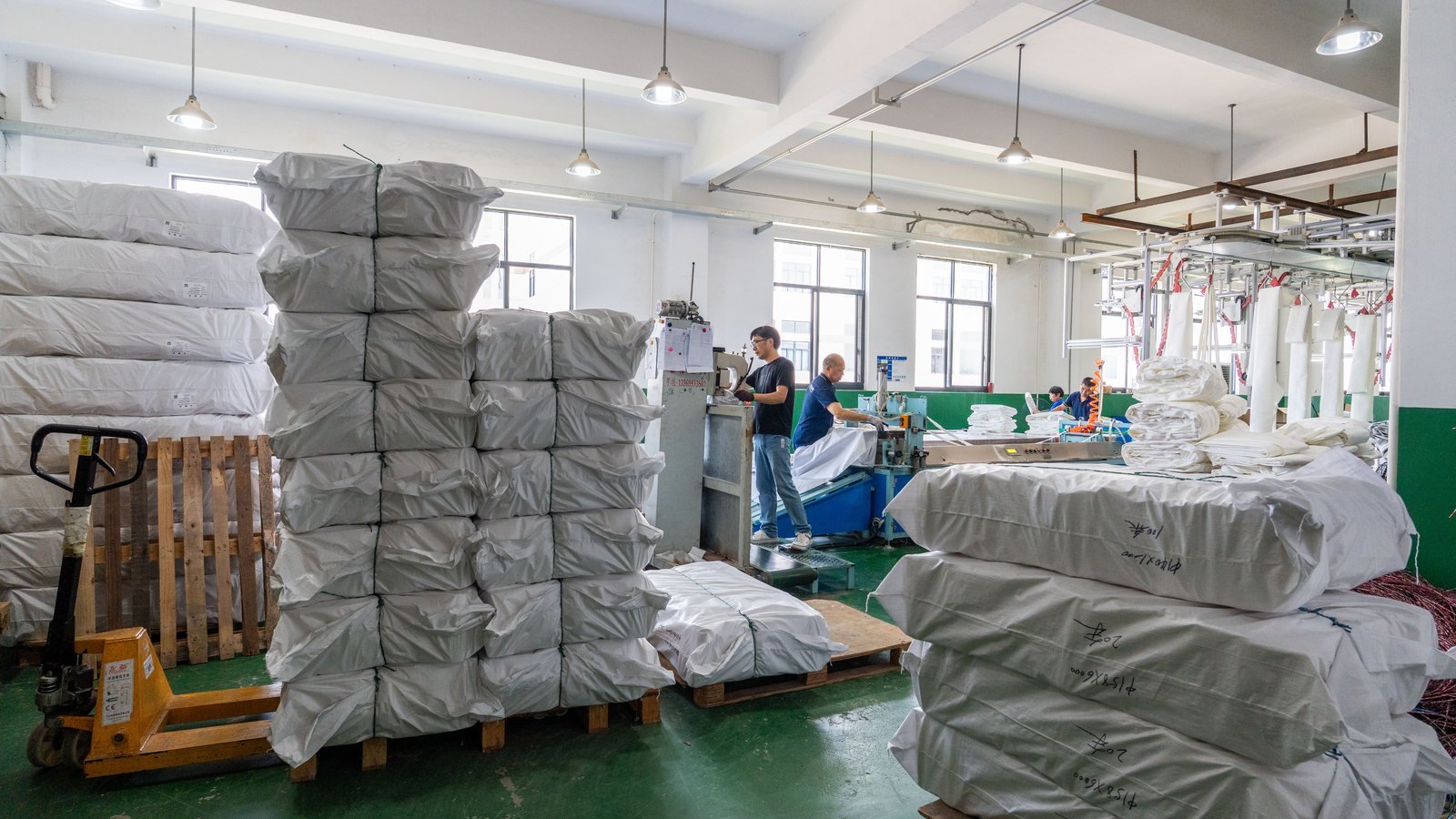
Packing and delivery
Finished bags are packed for shipment according to quantity, bag size and delivery method. Clear packing requirements help reduce deformation during transport.
MATERIAL BOUNDARIES
Do Not Select Aramid by Temperature Alone
A high-temperature number does not automatically make aramid the right filter media. The final selection should consider gas chemistry, moisture, dust release, cleaning pressure and the condition of the filter cages.
- Moisture and acid gas: review PPS, PTFE or special finish options if hydrolysis or corrosion risk is high.
- Very high continuous temperature: FMS, fiberglass or PTFE-based options may be safer.
- Strict emission target: P84 or PTFE membrane may be reviewed for fine dust capture and dust release.
- Combustible dust: anti-static construction may be required instead of standard aramid felt.
What Pinnacle Checks Before Recommending Aramid
| Check point | Why it matters |
|---|---|
| Operating data | Continuous and peak temperature, moisture, acid/alkali gas and oxygen level. |
| Dust behavior | Abrasive, sticky, fine, oily or difficult-to-clean dust. |
| Mechanical fit | Bag diameter, length, top style, bottom style and cage surface condition. |
| Current failure | Bag photos help identify temperature damage, cage wear, leakage or cleaning problems. |
TECHNICAL REFERENCE
Typical Aramid Filter Bag Specification
The following values are typical references for initial review. Final specification should be confirmed according to the baghouse design, working temperature, air volume, dust loading and emission target.
| Specification item | Typical value |
|---|---|
| Fiber material | Aramid / Nomex needle felt |
| Scrim material | Aramid staple yarn |
| Typical weight | 500 g/m2 |
| Typical thickness | 2.1 mm |
| Air permeability | 130-160 L/(dm2*min) |
| Tensile strength | Warp >=800 N; weft >=1200 N |
| Break elongation | Warp <25%; weft <45% |
| Working temperature | Continuous 204?C; peak 240?C |
| Finishing options | Heat setting, singeing, calendering, water/oil repellent, PTFE coating or PTFE membrane option |
MATERIAL COMPARISON
Aramid vs Other Filter Bag Materials
A good quotation should not simply push one material. The best filter bag is the one that fits the actual baghouse duty and failure risk.
| Comparison | Practical direction |
|---|---|
| Aramid vs Polyester | Choose aramid when temperature and mechanical stress are beyond normal polyester conditions. |
| Aramid vs PPS | Review PPS when moisture and acid gas are more important than dry heat resistance. |
| Aramid vs P84 | Review P84 when fine dust capture, dust release or strict emission control is the priority. |
| Aramid vs PTFE membrane | Review PTFE membrane when low emissions, sticky dust release or long-term pressure drop control justifies the cost. |
| Aramid vs FMS / Fiberglass | Review FMS or fiberglass when the temperature window is higher than aramid can safely handle. |
INSTALLATION AND REPLACEMENT NOTES
What to Confirm Before Installing Aramid Filter Bags
Correct material selection is only one part of baghouse performance. Before installation, the cage, tube sheet, cleaning system and bag failure pattern should also be reviewed. This helps avoid replacing a failed bag with the same hidden problem.
| Stage | Practical check |
|---|---|
| Before production | Confirm bag diameter, length, top style, bottom style, cage size and operating temperature. |
| Before installation | Check filter cage surface, tube-sheet holes, venturi condition and whether removed bags show abrasion, hardening or dust leakage. |
| During installation | Avoid dragging the felt surface, twisting the bag or forcing the snap band into the tube sheet. |
| After startup | Monitor differential pressure, cleaning frequency, emission change and early wear signs during the first operating period. |
COMMON APPLICATIONS
Applications for Aramid / Nomex Filter Bags
Asphalt mixing plants
Hot aggregate drying, asphalt smoke and pulse-jet cleaning often require a material upgrade from polyester.
Hot gas dust collectors
Dry hot gas filtration where temperature, abrasion and cleaning stress are key selection factors.
Industrial replacement bags
Useful for replacement projects when existing bag dimensions, cage condition and failure photos can be reviewed.
BUYER QUESTIONS
Aramid Filter Bag FAQ
Is aramid the same as Nomex?
Nomex is a well-known aramid fiber name. Buyers often use Aramid and Nomex together when discussing high-temperature needle felt filter bags.
Is aramid suitable for asphalt plants?
Yes, aramid filter bags are commonly reviewed for asphalt mixing plants when hot gas and mechanical stress make polyester unreliable. Final selection still depends on actual temperature, moisture, dust and cleaning conditions.
What information is most useful for quotation?
Bag diameter, length, top style, bottom style, continuous temperature, peak temperature, dust type, gas chemistry, quantity and current bag photos are the most useful information for a reliable first quote.
Can Pinnacle supply custom sizes?
Yes. Bag length, diameter, top construction, bottom reinforcement, sewing method and finishing can be customized according to the dust collector and filter cage design.
RELATED GUIDES
Helpful Reading Before Selecting Filter Bags
Best Filter Bag Material for Asphalt Plants
Compare polyester, aramid, PPS, P84, PTFE membrane and fiberglass for asphalt plant baghouses.
How to Choose Filter Bags by Temperature, Dust and Gas Chemistry
Review the practical selection logic before confirming filter bag material.
Why Filter Bags Fail Early in Cement Kiln Baghouses
Use failure signs to check material selection, cage wear, cleaning pressure and operating shocks.