Custom replacement filter bags
Replacement Dust Collector Bags
When an existing dust collector needs new bags, the most important step is not only choosing a fabric. The replacement bag must match the collector structure, cage fit, top seal, bottom design and real working condition.
Quick Answer
Replacement Dust Collector Bags for Existing Collectors
Replacement dust collector bags are custom-made filter bags used to replace worn, damaged or underperforming bags in existing dust collectors and baghouses. Accurate bag size, top construction and failure diagnosis help prevent repeated early failure.
Replacement checks
Confirm Fit and Failure History Before Reordering
Measure the existing bag
Confirm diameter, length, top style, bottom style, seam direction and any reinforcement.
Check the cage
A rough, bent or undersized cage can damage new bags even when the fabric is correct.
Review failure photos
Dust leakage, hardening, abrasion, shrinkage and bottom wear tell different stories.
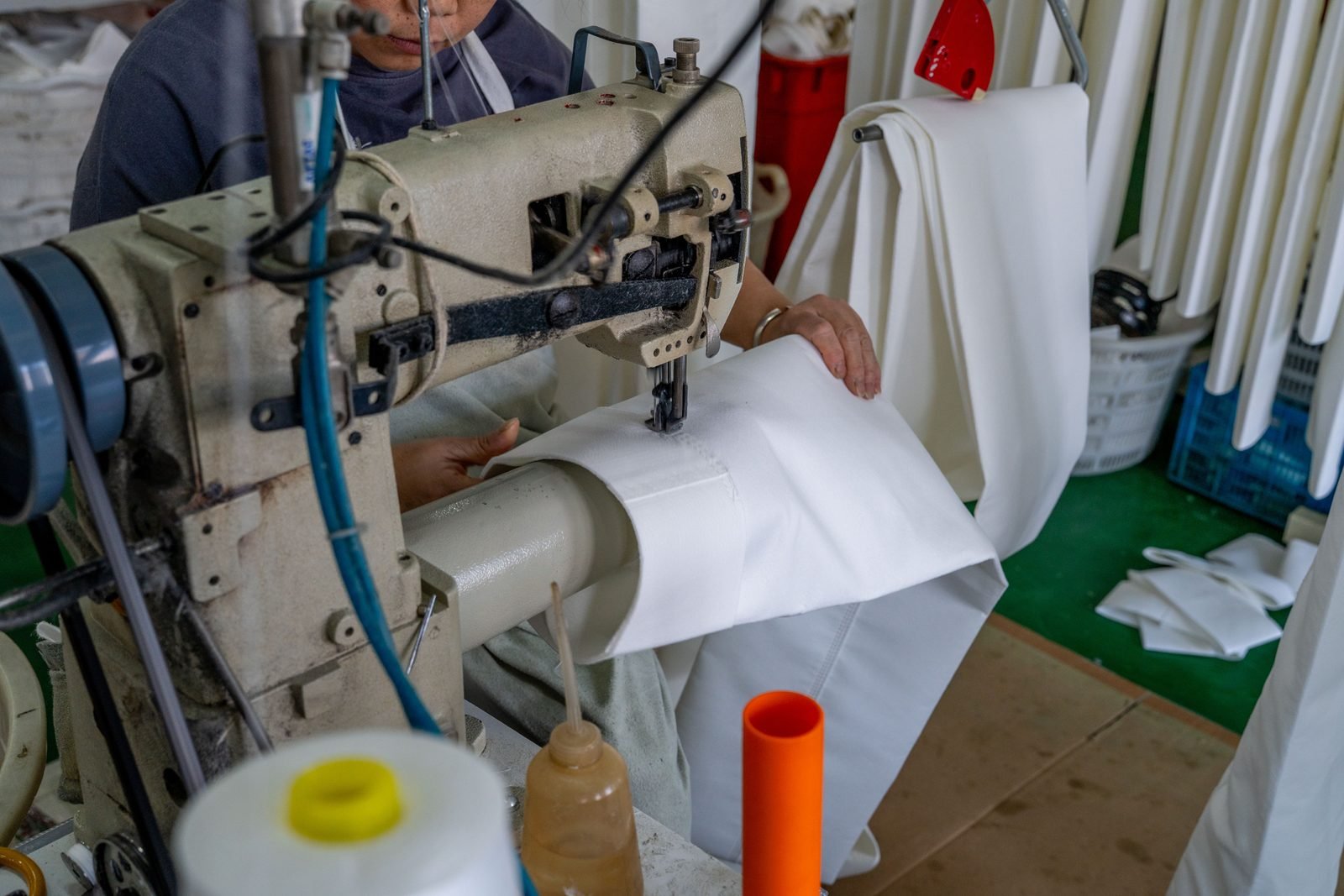
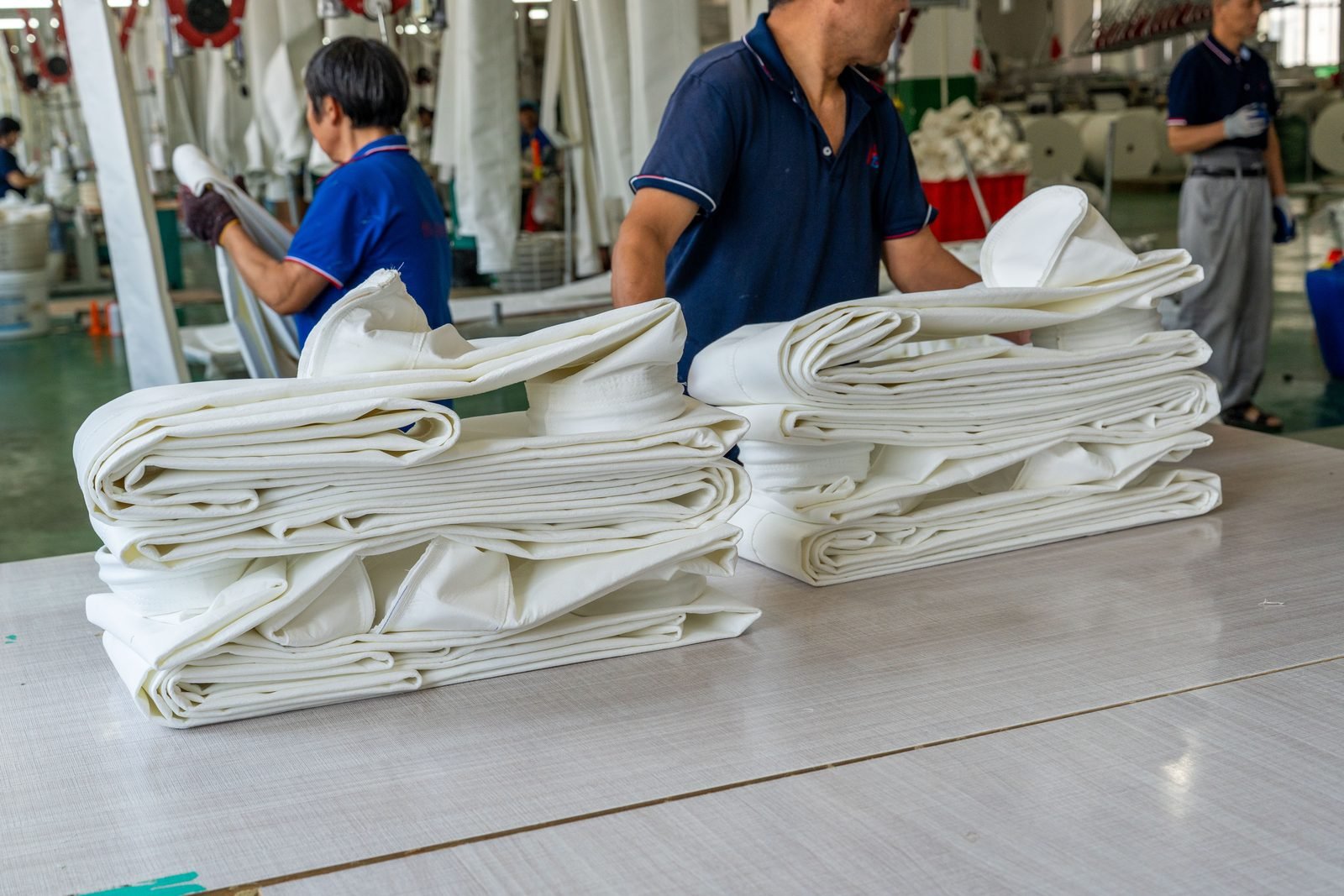
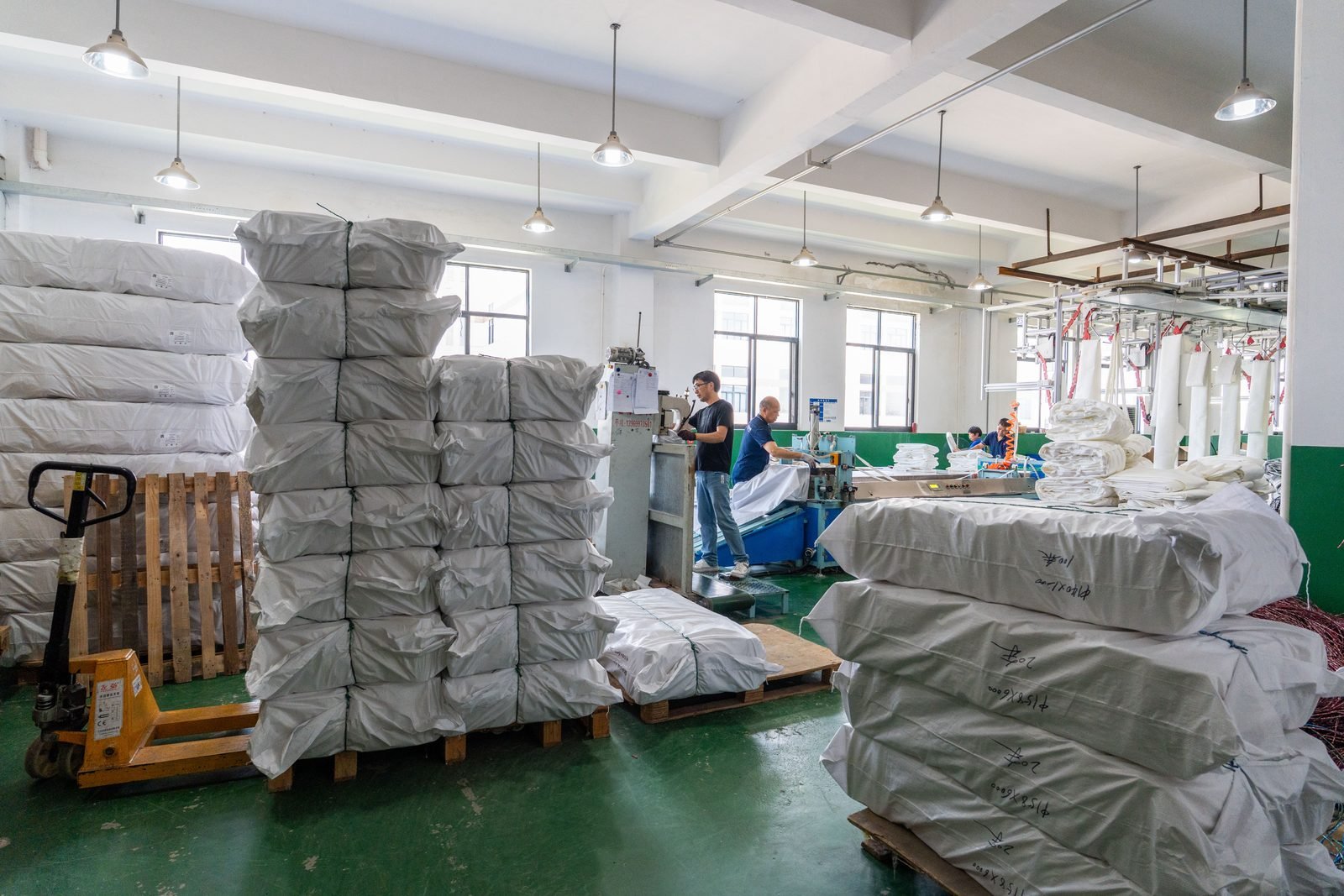
Factory Photos
Replacement Bag Details to Confirm
For replacement orders, photos of the current bag, seam, cuff, bottom and packing requirement help reduce quotation mistakes before production starts.
Replacement specification
Replacement Details to Confirm
| Item to confirm | What to provide | Why it matters |
|---|---|---|
| Bag size | Diameter and length | Measure the actual bag and compare with tube sheet and cage dimensions. |
| Top construction | Snap band, ring top, flange or cuff | A poor seal can cause dust leakage even with good filter media. |
| Bottom design | Disc bottom, wear patch or reinforced bottom | Important for pulse cleaning, abrasion and cage contact. |
| Material review | Polyester, PPS, PTFE, Aramid, Fiberglass | Match media to heat, moisture, gas chemistry and dust type. |
| Failure diagnosis | Current bag photos or a spare sample | Helps identify abrasion, hydrolysis, oxidation, chemical attack or over-cleaning. |
Product Links
Review Specific Filter Bag Materials
Technical Reading
Helpful Guides Before Quotation
RFQ Checklist
Build a Replacement RFQ from the Existing Bag
Send finished bag diameter and length, top and bottom construction, cage dimensions and the quantity needed. Add photos of the old bag and its damaged area, the current service life, operating conditions, delivery destination and planned shutdown date. A collector model alone may not identify the finished bag construction.
FAQ
Common Buyer Questions
Can you make replacement bags without a drawing?
Usually yes if accurate bag dimensions, top style, bottom style, photos and quantity are provided. A sample bag is helpful for complex designs.
Should I use the same material as the existing dust collector bag?
Not always. If the the previous bags failed early, temperature, moisture, chemical gas, cage condition and cleaning settings should be reviewed before repeating the same media.
What should I send for a reliable replacement bag quotation?
Send bag diameter, length, quantity, top and bottom photos, dust type, temperature, moisture, gas condition, cleaning method, cage photos and current bag life.
Planning a Filter Bag Replacement?
Send your existing bag dimensions, construction details and required quantity. Include the shutdown date and any repeat failure symptoms so the replacement review addresses both fit and operating conditions.
Request a Replacement QuoteBefore ordering replacement bags
Before comparing quotations, review what contributes to filter bag replacement cost, including bag construction, cage condition and installation scope.
Start with the information you have. We can help close gaps before quotation.