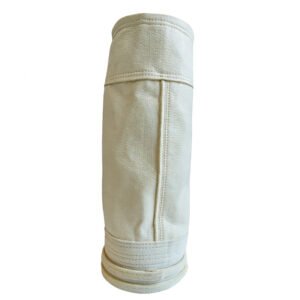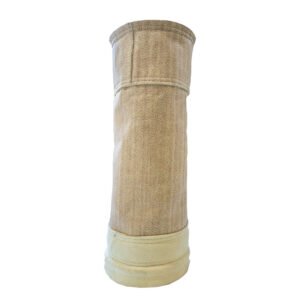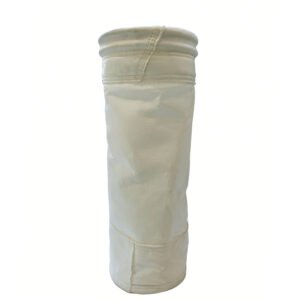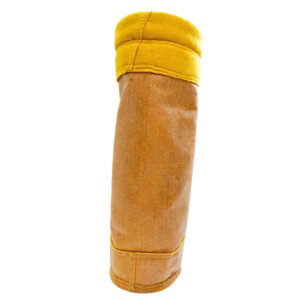
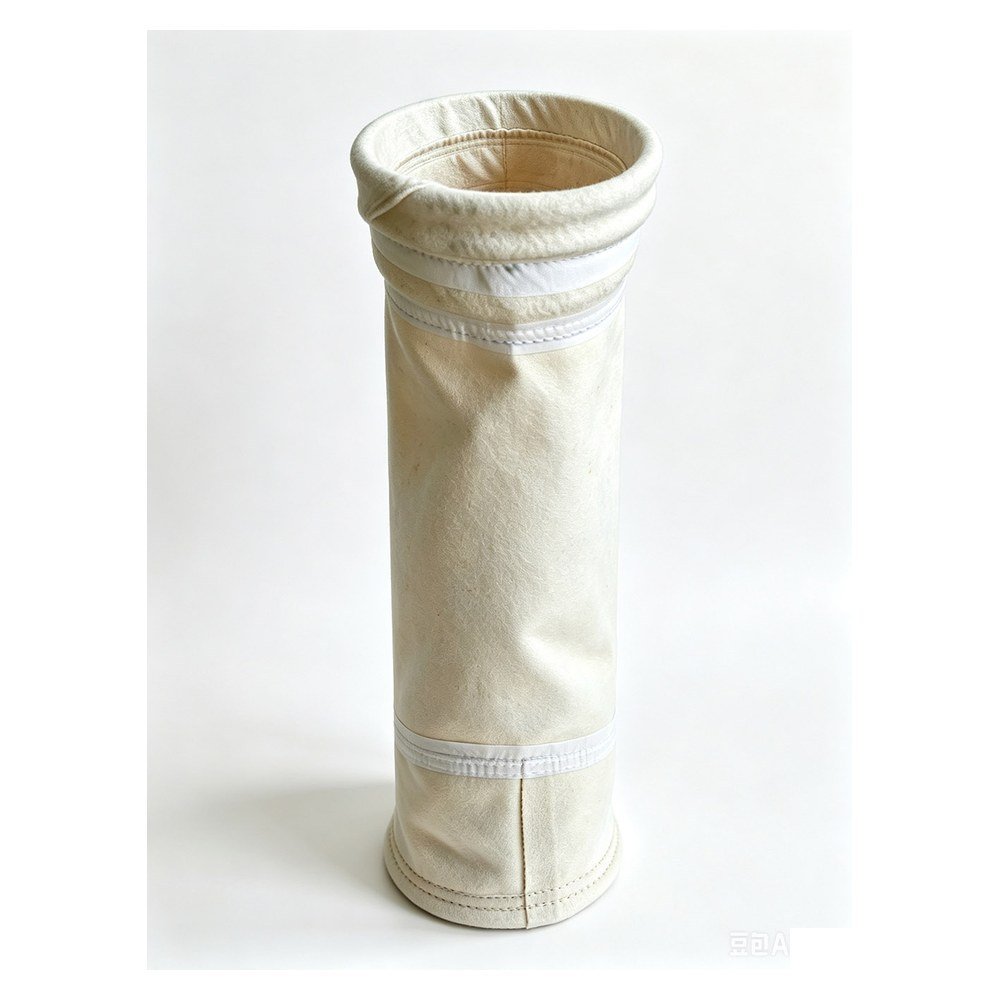
PPS Filter Bag
PPS (polyphenylene sulfide) filter bags are used for coal boilers, dryers and acid gas dust collection where moisture, hydrolysis or chemical gas can shorten standard polyester bag life.
- Common use: coal-fired boilers, dryers, acid gas and moisture-prone baghouse systems
- Options: PTFE membrane, oil/water repellent finish and anti-static construction
- Quote basis: oxygen level, temperature, humidity, gas chemistry and emission target
Description
Coal boiler and acid gas filtration
PPS Filter Bags for Coal Boilers, Dryers and Acid Gas Dust
Polyphenylene sulfide (PPS) filter bags are a practical choice for baghouses where moisture, acid gas and moderately high temperature make ordinary polyester unreliable.
PRODUCTION AND QUALITY CONTROL
How Pinnacle Controls Custom PPS Filter Bag Orders
For custom PPS Filter Bag orders, Pinnacle Filter checks more than the material name. The finished bag must match the dust collector size, cage condition, top construction, temperature and dust behavior. The following production and inspection points help buyers review PPS needle felt before shipment.
Media preparation
PPS needle felt is checked for weight, thickness, permeability and finishing option before cutting. Material selection also considers moisture, acid gas, oxygen level and continuous operating temperature.
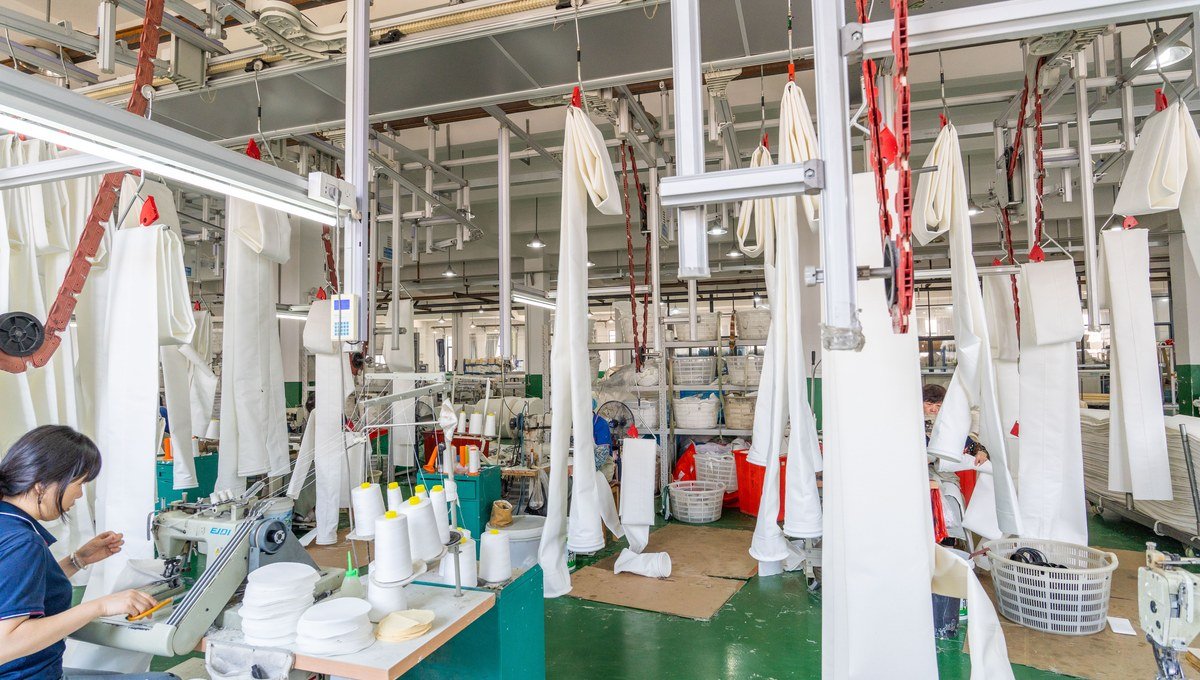
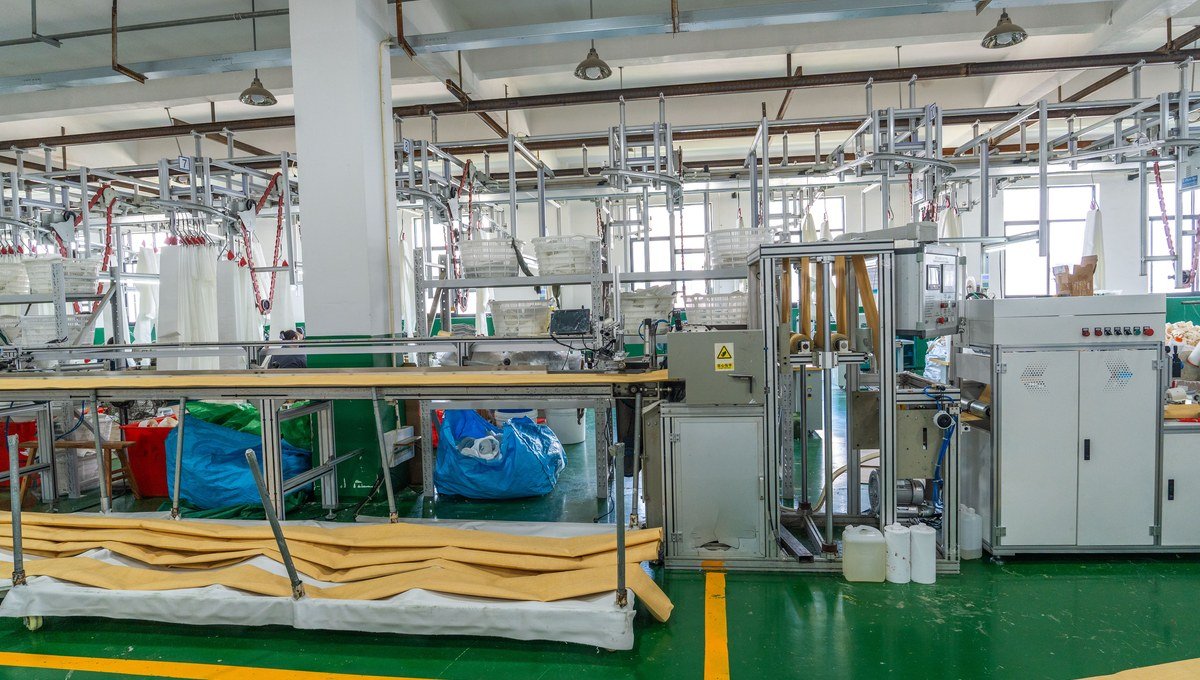
Bag sewing workshop
PPS-compatible thread, bag diameter, length, cuff and bottom construction are controlled during sewing. The finished bag must match the cage without excessive tension or loose fabric.
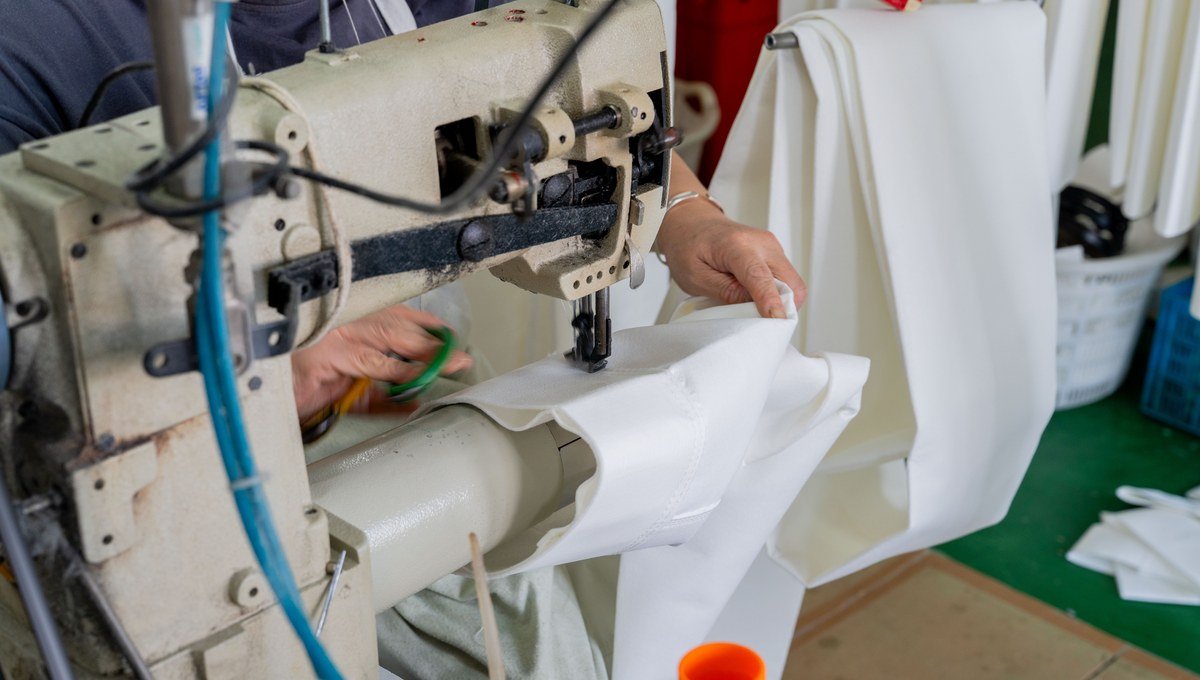
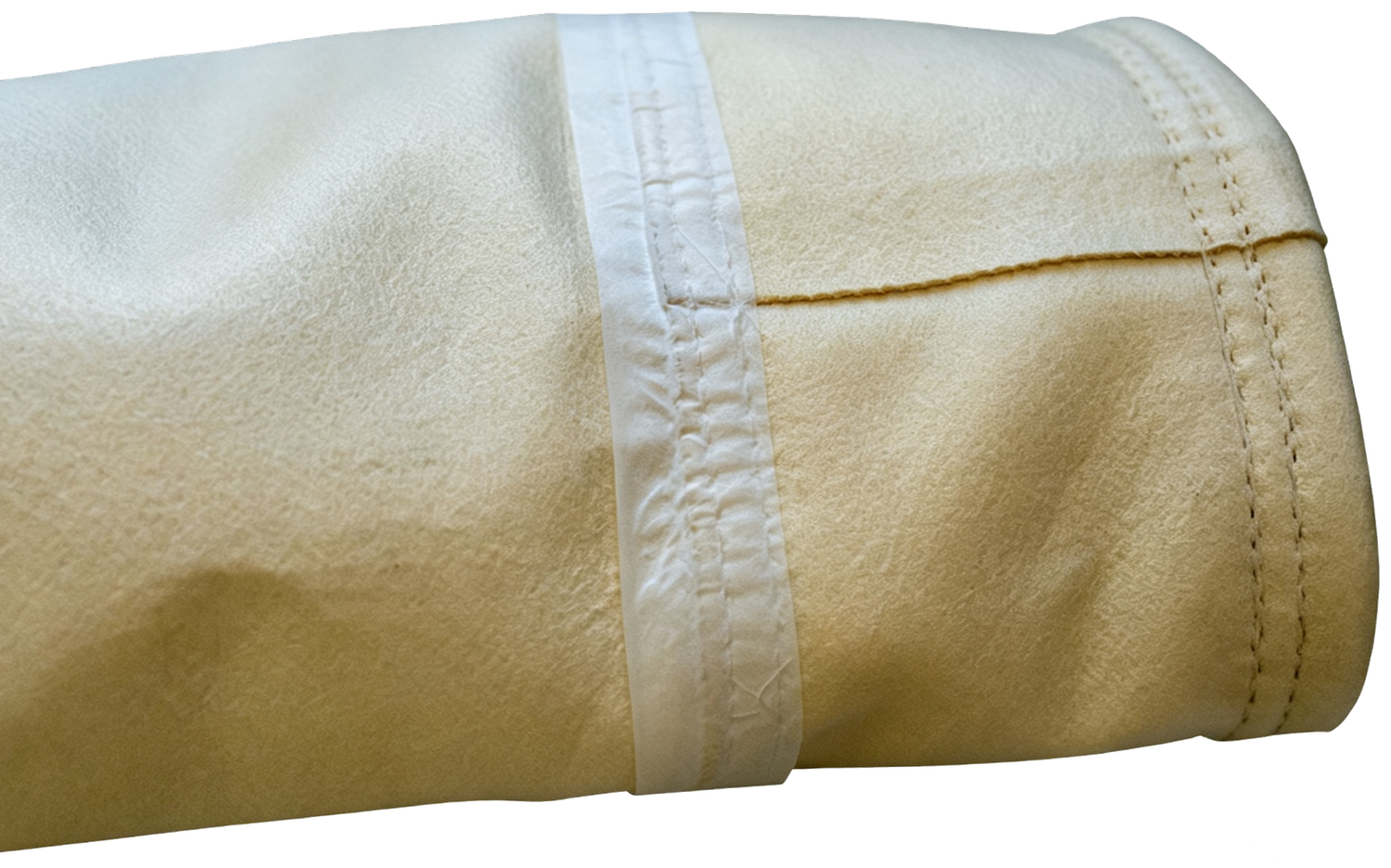
Seam and construction detail
Seam consistency and reinforcement at the cuff and bottom are reviewed for pulse-cleaning loads. Sound construction reduces local wear that can shorten service life before the media itself reaches its limit.
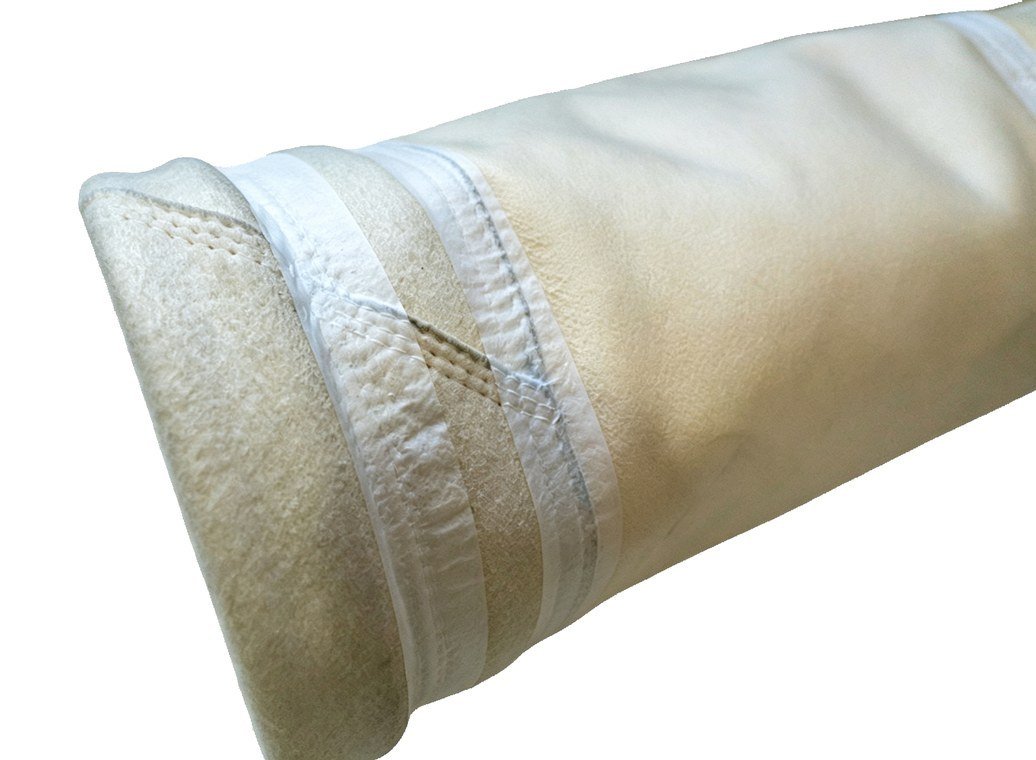
Construction and size review
Diameter, length, cuff fit and bottom position are verified against the replacement data. Cage condition and alignment matter because abrasion damage can be accelerated in wet or chemically demanding service.
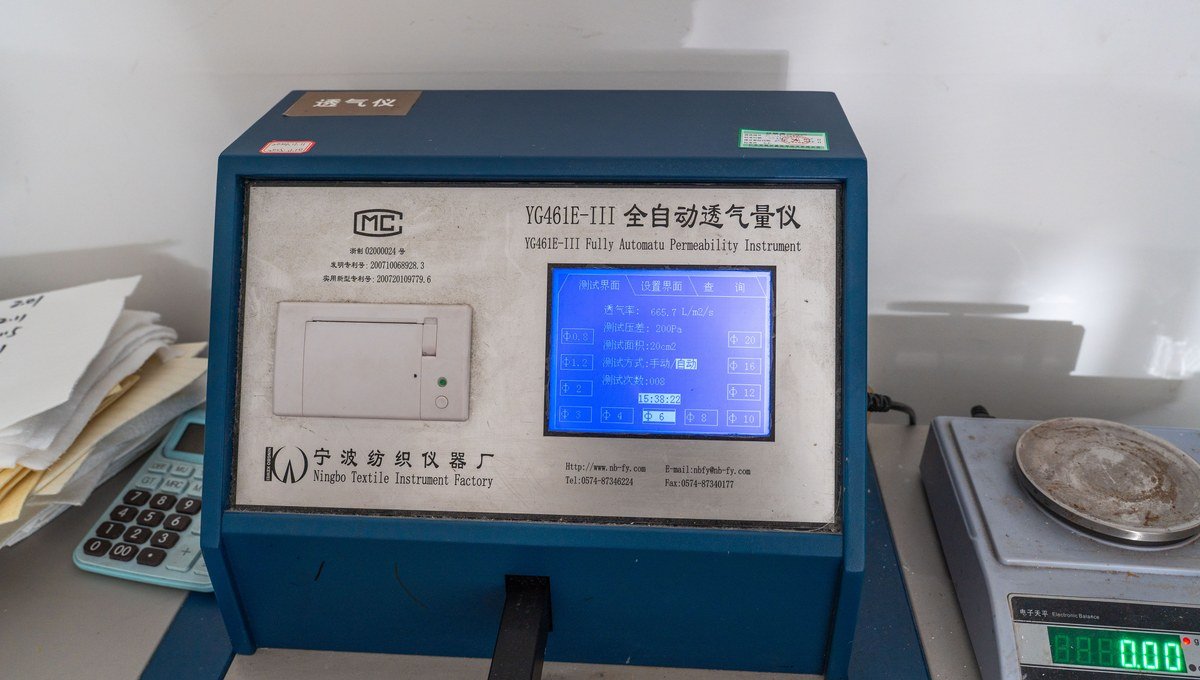
Material testing
Typical checks include weight, thickness, tensile strength and air permeability. The agreed material grade and finish are also verified because PPS performance depends on controlling temperature and oxidation exposure.

Packing and delivery
Finished bags are grouped by size and quantity and protected from moisture, dirt and deformation. Clear order identification helps maintenance teams avoid mixing constructions during installation.
Condition matrix
PPS Operating Logic
| Working condition | PPS direction |
|---|---|
| Coal-fired boiler | Strong candidate when moisture and acid gas are present. |
| High oxygen | Needs checking because excessive oxygen may accelerate aging. |
| Fine or sticky dust | PTFE membrane or finish may improve dust release and emission stability. |
| Combustible dust | Conductive PPS can be reviewed with plant safety requirements. |
Failure mode thinking
Problems PPS Is Designed to Solve
Hydrolysis damage
Moisture and heat can weaken ordinary polyester and shorten bag life.
Acid gas aging
SOx, NOx or acidic components require more careful media selection.
Pressure drop instability
Wrong finish or dust cake behavior increases fan load.
Unexpected shutdown
Correct media and construction reduce rushed replacement purchasing.
Replacement review
Bag Photos Help Diagnose PPS Projects
For PPS, the failure pattern is often more useful than the product name.
Compare Nearby Choices
PPS is not always the final answer. Severe corrosion may need PTFE, while dry normal dust may still use polyester.
Technical selection guide
PPS Filter Bag Specifications, Applications and Selection Notes
PPS filter bags are often used where polyester cannot handle moisture, acid gas or hydrolysis risk. Coal-fired boilers, dryers and acid gas dust collectors usually need more than a simple temperature check before a PPS filter bag is recommended.
| Typical temperature direction | Moderate high-temperature operation; confirm continuous temperature, peak temperature and oxygen level. |
|---|---|
| Gas condition | Moisture, SOx/NOx, acid gas and hydrolysis-prone environments. |
| Options | PTFE membrane, anti-static PPS, water/oil repellent finish and reinforced sewing. |
| Custom construction | Snap band, ring top, flange top, bottom reinforcement and PTFE thread when required. |
Where This PPS Filter Bag Is Commonly Used
Coal-fired boilers
A common PPS application when moisture and acid gas are present.
Industrial dryers
Where hydrolysis and temperature must be checked together.
Power plants
Often selected for baghouse systems after ESP or boiler processes.
Chemical dust
Useful when gas condition fits PPS resistance range.
Operating Boundaries to Check
- High oxygen level: Can shorten PPS life and should be checked carefully.
- Severe corrosion: PTFE may be a better comparison.
- Dry normal dust: Polyester may be more economical.
- Fine sticky dust: PTFE membrane or finish may be needed.
Common Failure Causes
- Brittle bag body: Oxidation, acid gas or temperature may be stronger than assumed.
- Sticky dust cake: Surface finish or cleaning condition may be wrong.
- Frequent pressure drop rise: Dust release, air-to-cloth ratio and pulse settings should be reviewed.
- Bottom wear: Cage fit and inlet dust impact may be damaging the bag.
Selection Advice from Pinnacle Filter
PPS should be selected from real flue gas data, not only from a catalog temperature. Send moisture, oxygen level, acid/alkali condition, dust load, cleaning method and current bag life for a more reliable recommendation.
Related product pages and next steps
Pinnacle Filter Support
Ask for a PPS Material Recommendation Before Ordering
Send moisture, oxygen, gas chemistry, temperature, dust type and current bag life. Pinnacle will help confirm PPS weight, finish and construction.
Fast RFQ checklist
Technical Reference
Typical PPS Filter Bag Specification
Use this table as a reference for initial material review. Final weight, thickness, finishing, top construction and bag size can be customized according to the dust collector design and operating conditions.
| Item | Typical Value |
|---|---|
| Fiber material | PPS filter felt |
| Scrim material | PPS multifilament |
| Thickness | 1.8 mm |
| Weight | 500 g/m2 |
| Air permeability | 130-180 L/(dm2*min) |
| Tensile strength | Warp >=1200 N; weft >=1300 N |
| Break elongation | Warp <30%; weft <30% |
| Working temperature | Continuous 150°C; peak 190°C |
| Finishing options | Heat setting, calendering, singeing, PTFE coating, water and oil repellent, PTFE membrane |
Buyer Questions
FAQ
Is PPS better than polyester?
For moisture, hydrolysis and acid gas, yes. For dry normal-temperature dust, polyester may be more economical.
Can PPS use PTFE membrane?
Yes. It can improve surface filtration, dust release and emission control.
What is the biggest PPS selection risk?
High oxygen, wrong gas chemistry assumptions and poor cage condition can shorten service life.
Related Technical Guides
Helpful Reading Before Selecting Filter Bags