Start with the duty, not the material name
Industrial Filter Bag Selection Guide
Turn operating conditions, dust behaviour, collector details and failure symptoms into a focused first technical discussion before choosing a filter-bag material.
A better starting point
Choose the path that matches the evidence you already have.
The right media is only one part of a successful replacement. Confirm the operating window, dust behaviour, finished-bag construction and cage condition together before treating the material name as the answer.
Four selection paths
Start from the condition, not from a catalogue label.
Temperature, gas and moisture
Record continuous and peak temperature, moisture or dew-point risk, gas chemistry and abnormal start-up or shutdown conditions.
Particle size, abrasion and release
Identify whether dust is fine, abrasive, sticky, fibrous, combustible or difficult to clean. A pressure-drop trend often says more than a material name.
Bag and cage construction
Confirm diameter, finished length, top and bottom design, tube-sheet opening, cage dimensions, cleaning method and quantity.
Diagnose before replacing
Separate fabric damage from caking, cage abrasion, leakage, poor fit or unstable cleaning. A new bag cannot correct a mechanical contact point.
Replacement specification
A replacement begins with a verified fit.
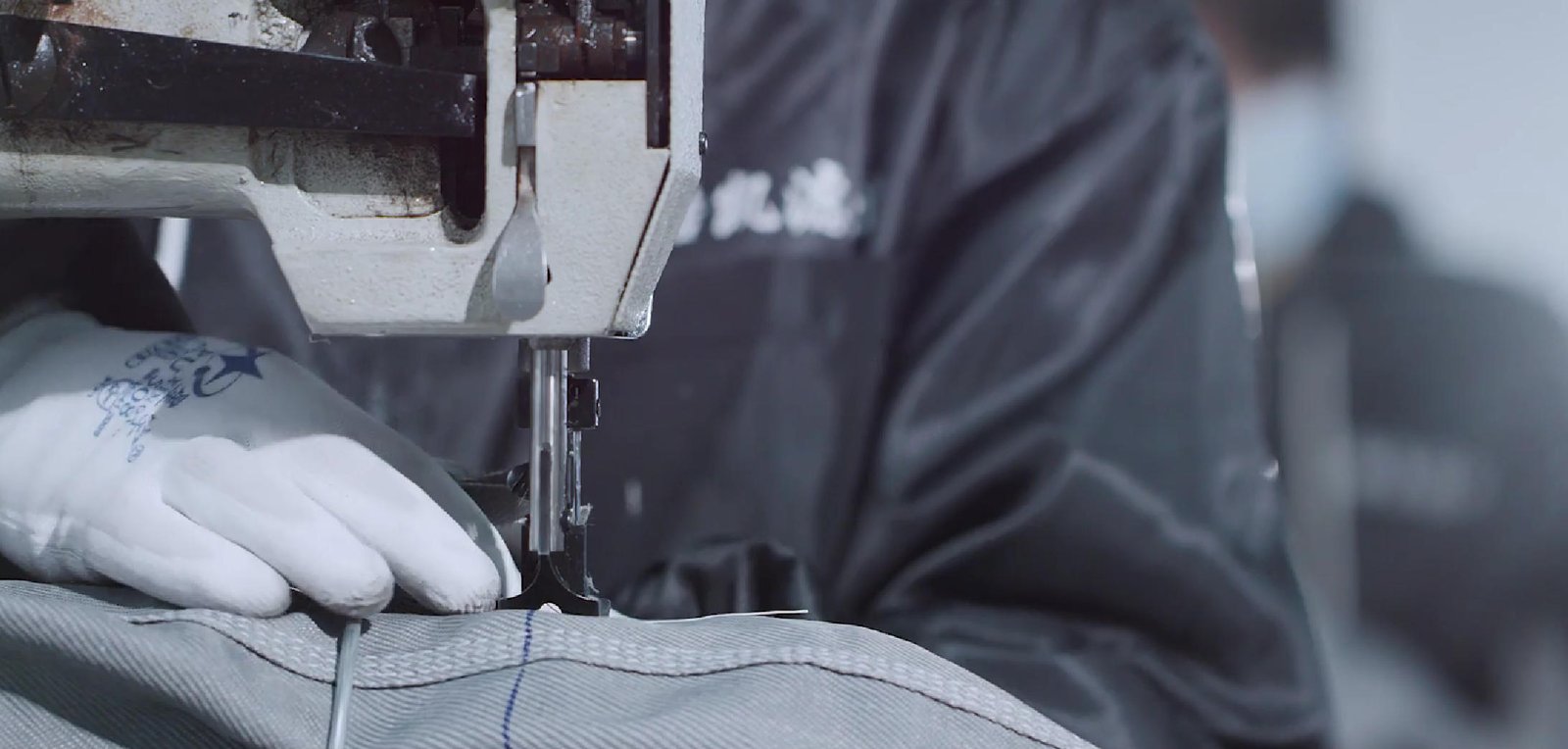
Photos of the used bag, cage and tube sheet help identify construction details that a material code alone cannot show. Before quotation, compare the finished dimensions, sealing construction and cleaning method with the actual collector.
Technical boundary: This guide organizes the first review. Final material and construction must be confirmed against the actual duty conditions and approved production specification.
RFQ checklist
Information that makes a recommendation more reliable
- Bag diameter, length, top and bottom construction
- Collector model, cage dimensions and tube-sheet opening
- Continuous and peak gas temperature
- Gas composition, oxygen, moisture and condensation risk
- Dust type, particle characteristics and abrasiveness
- Cleaning method, pulse pressure and cleaning interval
- Pressure-drop trend, emissions symptom or failure history
- Used-bag, cage and collector photographs
- Quantity, delivery requirements and documentation needed
Need help narrowing the material direction?
Send the operating conditions and existing bag details. We will identify which factors need checking before a quotation or replacement decision.