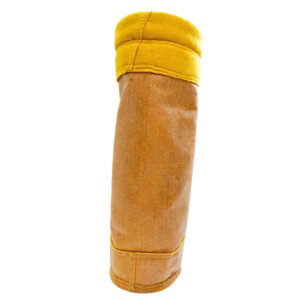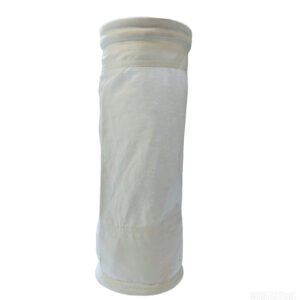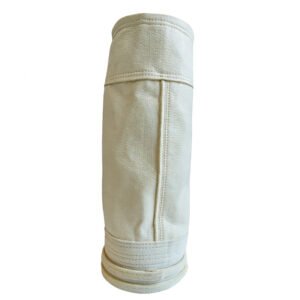
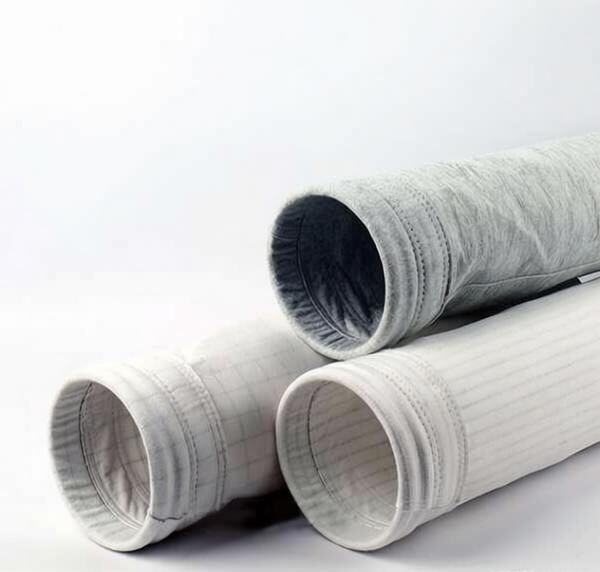
Anti-static Filter Bag
Anti-static filter bags are used where combustible dust and static discharge risk must be reviewed before selecting the final filter media.
- Common use: coal, wood, grain, plastic powder, chemical powder and other fine dry dust
- Custom construction: conductive fiber or yarn can be combined with suitable base media
- Quote basis: dust explosibility, humidity, grounding condition, bag size and operating data
Description
Combustible dust safety review
Anti-static Filter Bags for Combustible Dust Review
Anti-static filter bags are not just a material option. They are part of a safer dust collection review for coal, wood, grain, chemical powder, plastic powder and other combustible dust.
PRODUCTION AND QUALITY CONTROL
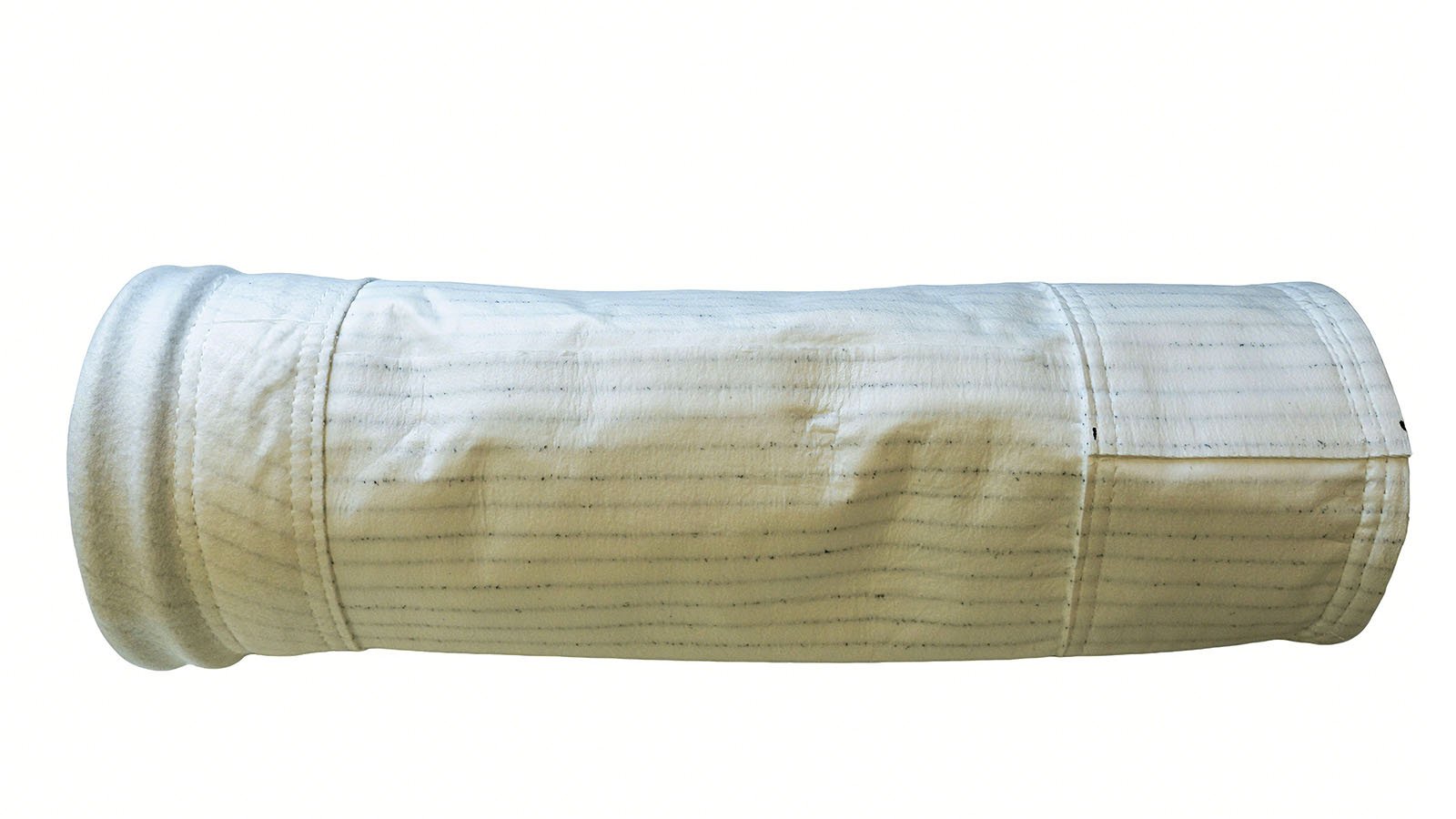
How Pinnacle Controls Custom Anti-static Polyester Filter Bag Orders
For custom Anti-static Polyester Filter Bag orders, Pinnacle Filter checks more than the material name. The finished bag must match the dust collector size, cage condition, top construction, temperature and dust behavior. The following production and inspection points help buyers review anti-static polyester needle felt before shipment.
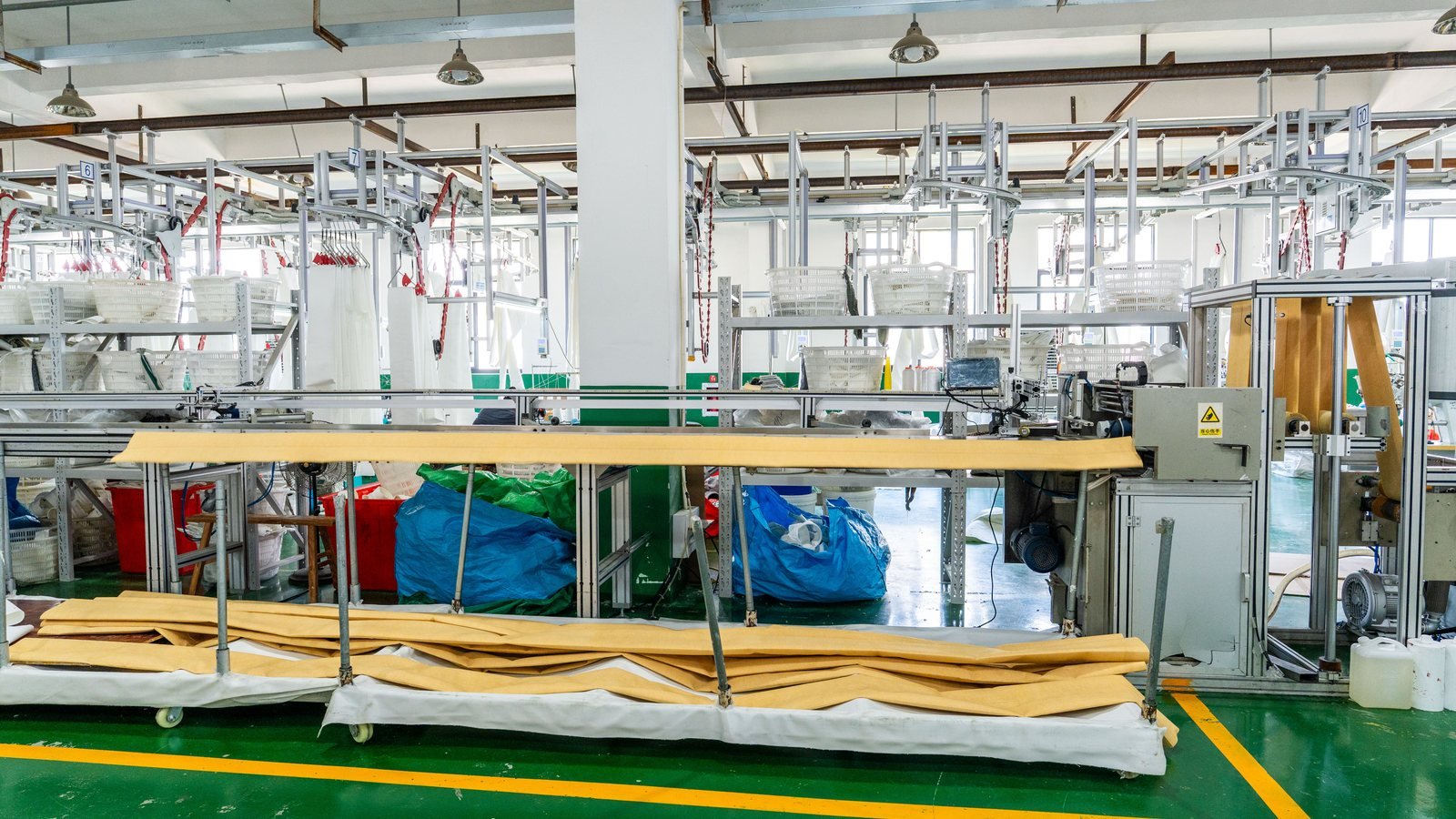
Media preparation
Media weight, surface treatment and finishing direction are reviewed before sewing, especially when dust release, abrasion or temperature stability matters.
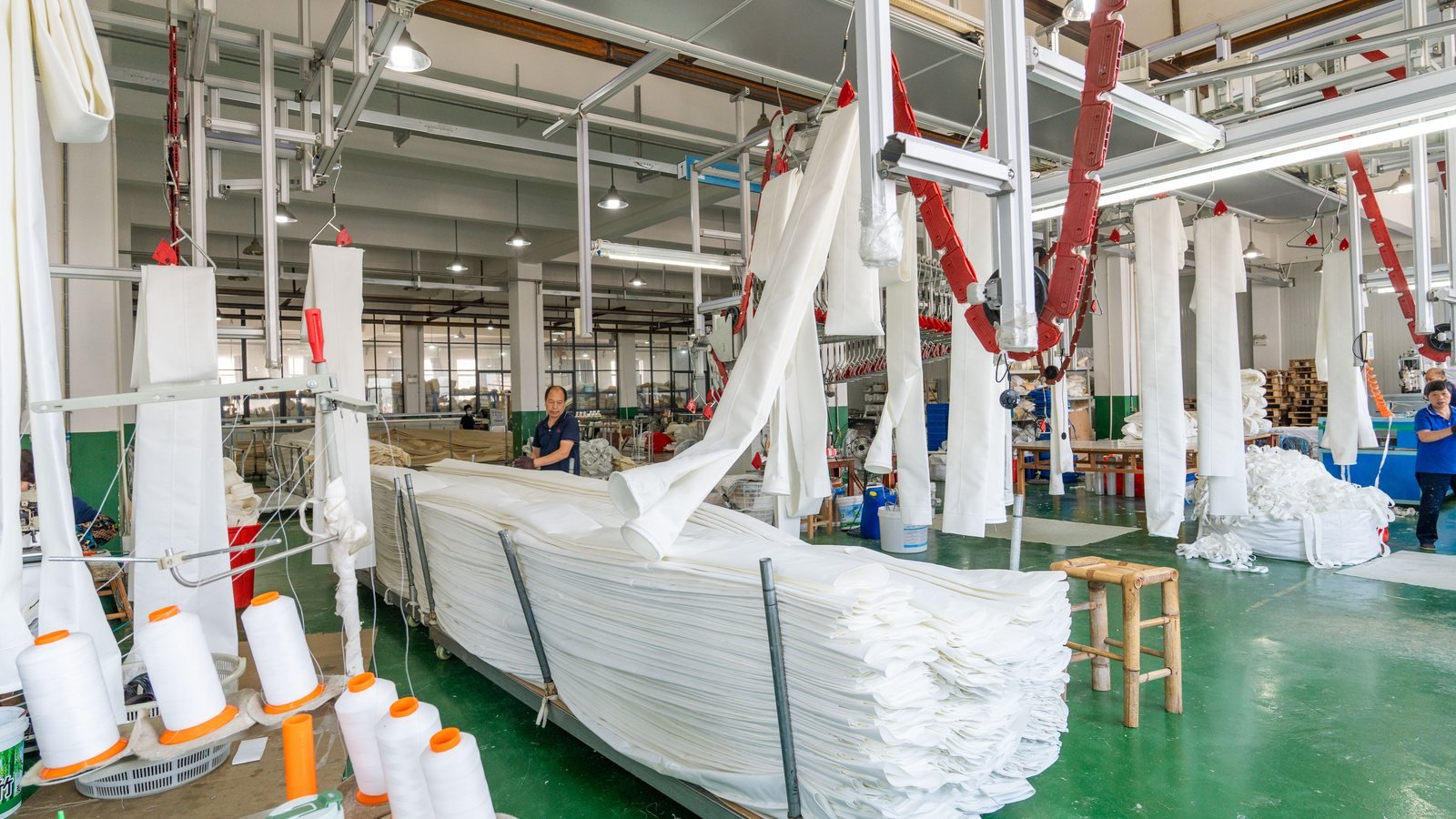
Bag sewing workshop
Bag length, top style, bottom reinforcement and seam direction are checked during sewing so the finished bag matches the dust collector design.

Seam and construction detail
For replacement orders, seam strength and top or bottom construction affect sealing and service life more than appearance alone.
Construction and size review
Top cuff, bottom reinforcement, diameter, length and finished size should be reviewed before packing. Old samples or drawings make replacement orders more reliable.
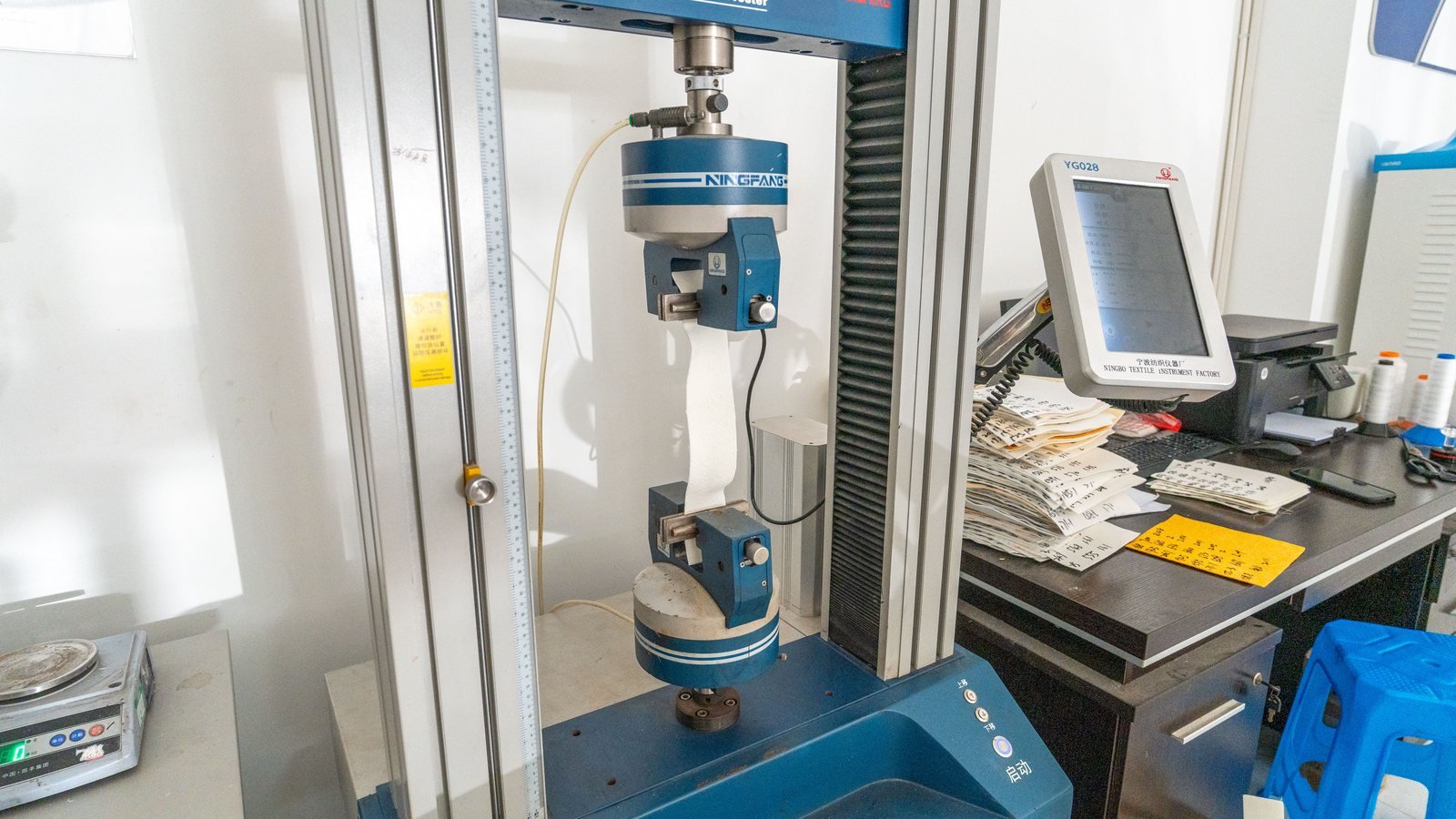
Material testing
Typical checks can include weight, thickness, tensile strength, air permeability and heat-related review, depending on the material and operating condition.
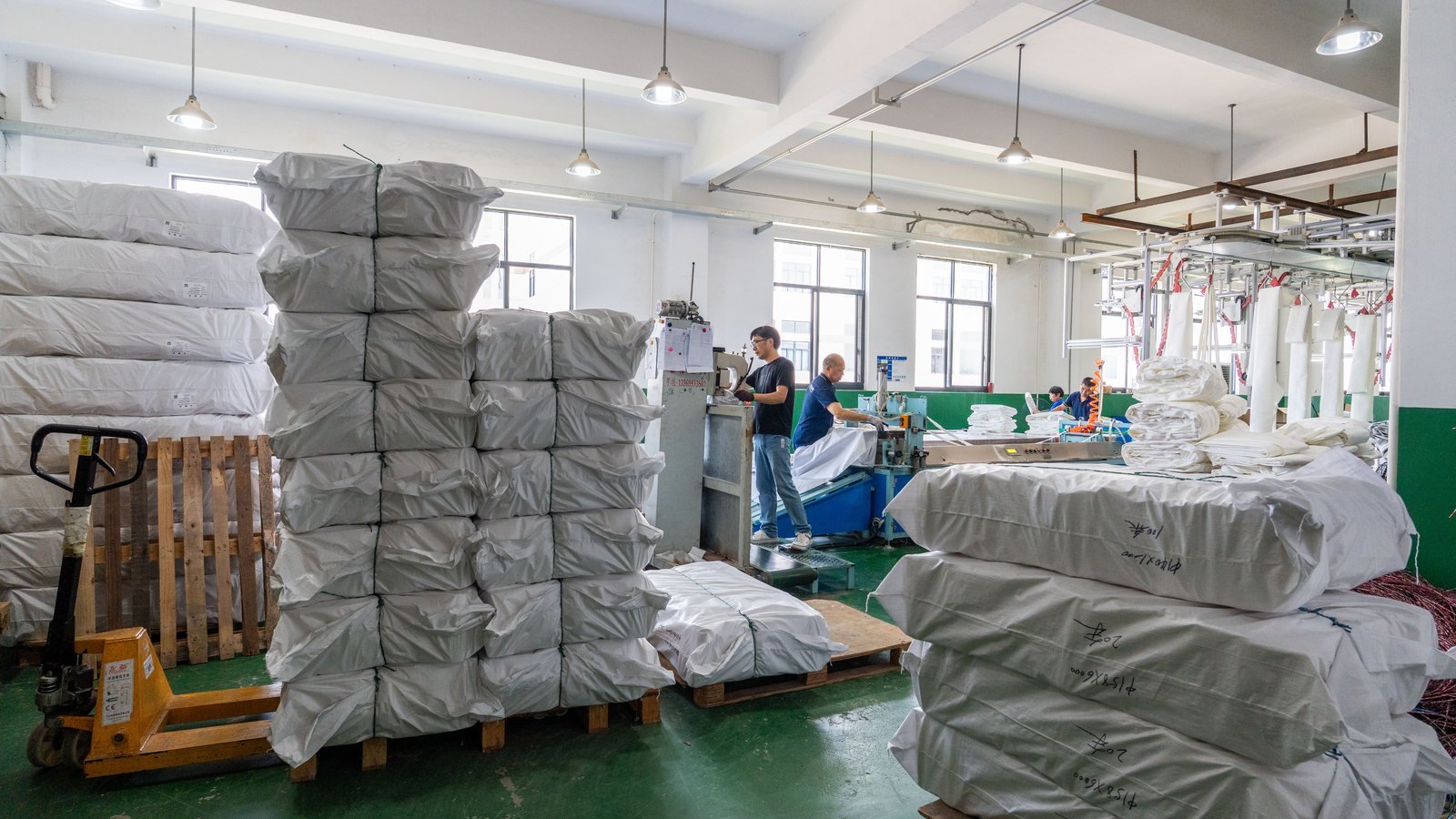
Packing and delivery
Finished bags are packed according to quantity, bag size and delivery method. Clear packing requirements help reduce deformation during transport.
Safety-first buying logic
Risk Signals That Should Trigger Anti-static Review
Fine dry powder
Fine dust can remain suspended and increase ignition sensitivity.
Low humidity airflow
Dry air can increase static accumulation inside the collector.
Coal, wood or grain dust
Common dust types where conductive media may be requested.
Unusual marks or sparks
Current bag photos can reveal friction, burn marks or unsafe operating clues.
Material direction
Anti-static Is Matched to the Base Media
| Base media | When to review conductive design |
|---|---|
| Polyester | Normal-temperature combustible dust where cost control matters. |
| PPS | Coal, moisture or acid gas systems that also need conductivity review. |
| Acrylic / blended media | Moderate-temperature systems with specific moisture or dust behavior. |
| PTFE membrane option | When emission control and surface filtration are also important. |
Anti-static bags are one part of the safety system. Grounding, explosion protection and plant safety rules must also be checked.
RFQ safety data
Information Pinnacle Needs
A safe recommendation needs more than bag size.
Important Safety Note
Anti-static media helps reduce static risk in suitable systems, but it does not make a dust collector explosion-proof by itself.
Technical selection guide
Anti-static Filter Bag Specifications, Applications and Selection Notes
Anti-static filter bags are selected when the dust itself may create static discharge risk. The filter bag is only one part of the safety review, but conductive media can be important for coal, wood, grain, chemical powder, plastic powder and other combustible dust collectors.
| Base media options | Polyester, PPS, acrylic or blended media depending on temperature and gas condition. |
|---|---|
| Conductive design | Conductive fiber, conductive yarn or blended conductive structure according to project requirement. |
| Dust condition | Combustible fine dust, dry powder handling or low-humidity airflow. |
| Custom construction | Top/bottom design, seam, grounding-related detail and size made to collector design. |
Where This Anti-static Filter Bag Is Commonly Used
Coal handling
Combustible dust and safety review are often required.
Woodworking
Dry fine wood dust can require anti-static media.
Grain and food powder
Dust behavior and plant safety rules should be reviewed.
Chemical / plastic powder
Fine powder handling often needs a conductive option review.
Operating Boundaries to Check
- Not explosion-proof alone: Grounding, explosion venting and collector design must also be checked.
- High temperature: Base media may need PPS, aramid or another high-temperature direction.
- Moist or corrosive gas: Anti-static design must be combined with suitable chemical-resistant media.
- Unknown dust explosibility: Plant safety testing and local standards should guide the final decision.
Common Failure Causes
- Static concern remains: Check grounding and whole system design, not only the bag.
- Early media damage: Base media may not match temperature or gas chemistry.
- Dust leakage: Top sealing or installation may be the cause.
- Abrasion: Cage, inlet flow and bottom reinforcement should be reviewed.
Selection Advice from Pinnacle Filter
Start with dust safety information: dust type, humidity, temperature, collector design and local safety requirement. Pinnacle can then recommend whether anti-static polyester, anti-static PPS or another conductive construction is more suitable.
Related product pages and next steps
Pinnacle Filter Support
Request an Anti-static Filter Bag Review
Describe dust type, humidity, temperature, bag size and current safety concern. Pinnacle will suggest a practical conductive media direction.
Fast RFQ checklist
Technical Reference
Typical Anti-static Polyester Filter Bag Specification
Use this table as a reference for initial material review. Final weight, thickness, finishing, top construction and bag size can be customized according to the dust collector design and operating conditions.
| Item | Typical Value |
|---|---|
| Fiber material | Polyester staple fiber with conductive fiber |
| Scrim material | Polyester staple yarn fabric or anti-static scrim |
| Thickness | 2.0 mm or 1.8 mm |
| Weight | 550 g/m2 |
| Surface resistivity | 380-420 Mohm |
| Volume resistivity | 13-20 Mohm |
| Tensile strength | MD >=1000 N; CD >=1300 N |
| Break elongation | MD <30%; CD <50% |
| Working temperature | Continuous 130°C; peak 150°C |
| Finishing options | Heat setting, singeing, calendering, chemical coating, waterproof and oilproof, PTFE lamination |
Buyer Questions
FAQ
Does anti-static mean explosion-proof?
No. It is one part of a complete dust safety review.
Which industries use anti-static bags?
Coal handling, woodworking, grain, chemical powder, plastics and other combustible dust systems.
Can anti-static design combine with PPS?
Yes. Conductive design can be considered with different base media based on working condition.
Related Technical Guides
Helpful Reading Before Selecting Filter Bags