
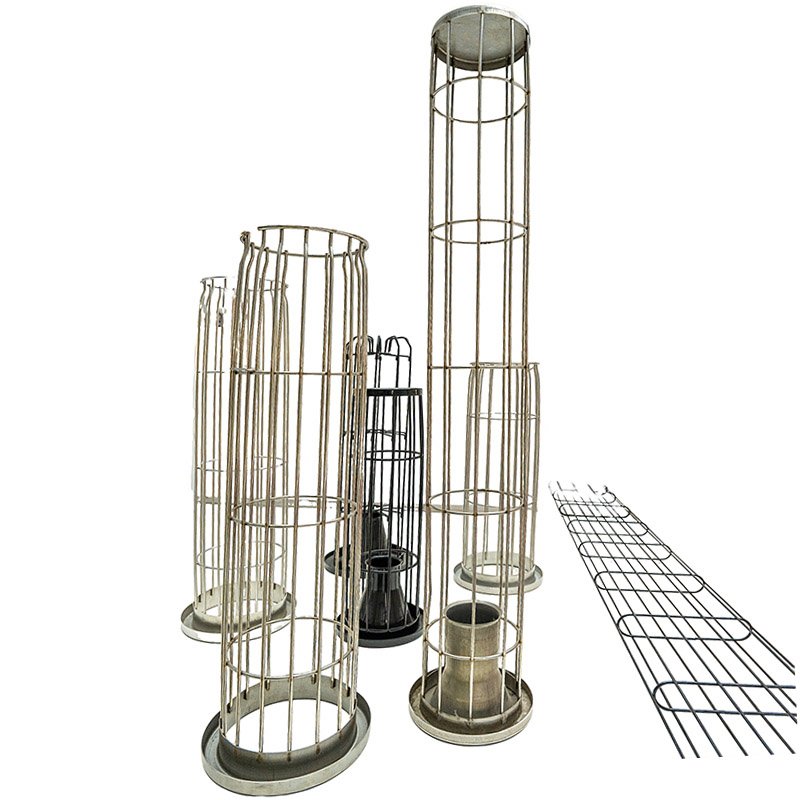
Filter Bag Cages
Filter cages, also called filter bag cages in baghouse maintenance, support industrial filter bags during pulse-jet cleaning and daily baghouse operation. The cage needs to hold the bag open, guide air flow and avoid rubbing or early wear, so the size and structure should be checked together with the bag.
- Common use: pulse-jet baghouses for cement, steel, power, asphalt and general industrial dust
- Fit check: cage diameter, overall length, top cap and bottom style should match the filter bag and tube sheet
- Custom construction: venturi, split cage, wire count and ring spacing can be reviewed for different cleaning pressure
- Finish review: galvanized, silicone-coated, stainless steel or special coating according to gas and moisture conditions
Description
Baghouse support system
Filter Cages Matched to Your Dust Collector Bags
A premium filter bag still fails early if the cage is wrong. Pinnacle supplies baghouse filter cages, often specified as bag filter cages, matched to bag diameter, length, top style, tube sheet and operating environment.
Why cages matter
The Support System Behind Bag Life
Filter cages keep the bag open during pulse cleaning and support the fabric during operation. Wrong wire spacing, rough welds, poor straightness or mismatched top design can cause abrasion, leakage and early bag failure.
Best paired with filter bags
When replacing bags, check cages at the same time. Reusing damaged cages can waste new filter bags.
Cage construction
What Pinnacle Can Customize
Material and finish
Carbon steel, galvanized steel, stainless steel 304/316L and surface finish options.
Top and bottom design
Flange top, split ring, venturi, bottom cap and connection style.
Wire and ring layout
Vertical wire number, ring spacing, diameter tolerance and straightness.
One-piece or split cage
Long cages can be supplied in segmented designs for container loading and installation.
Factory cage photos
Filter Cage Stock, Inspection and Export Packing
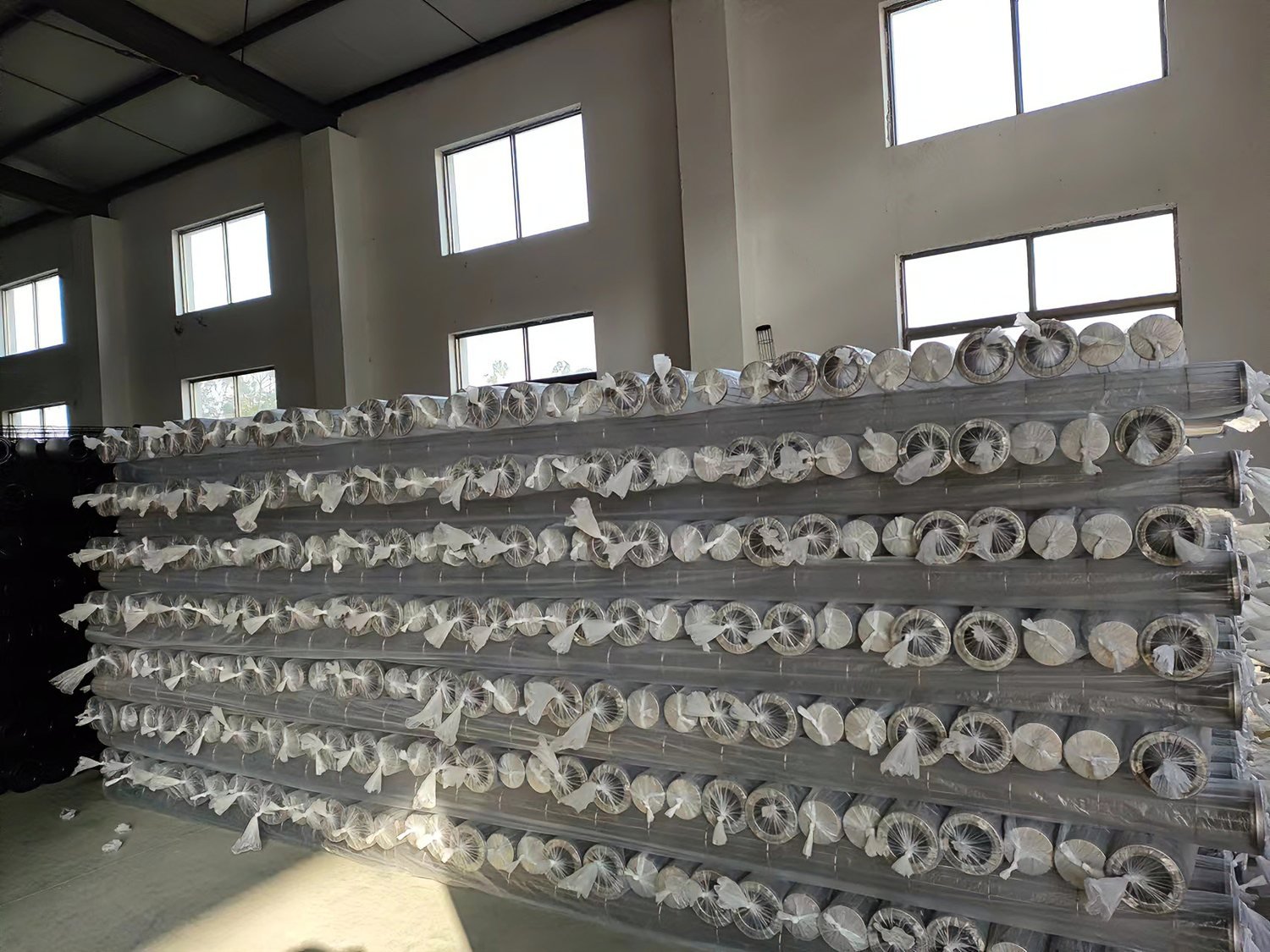
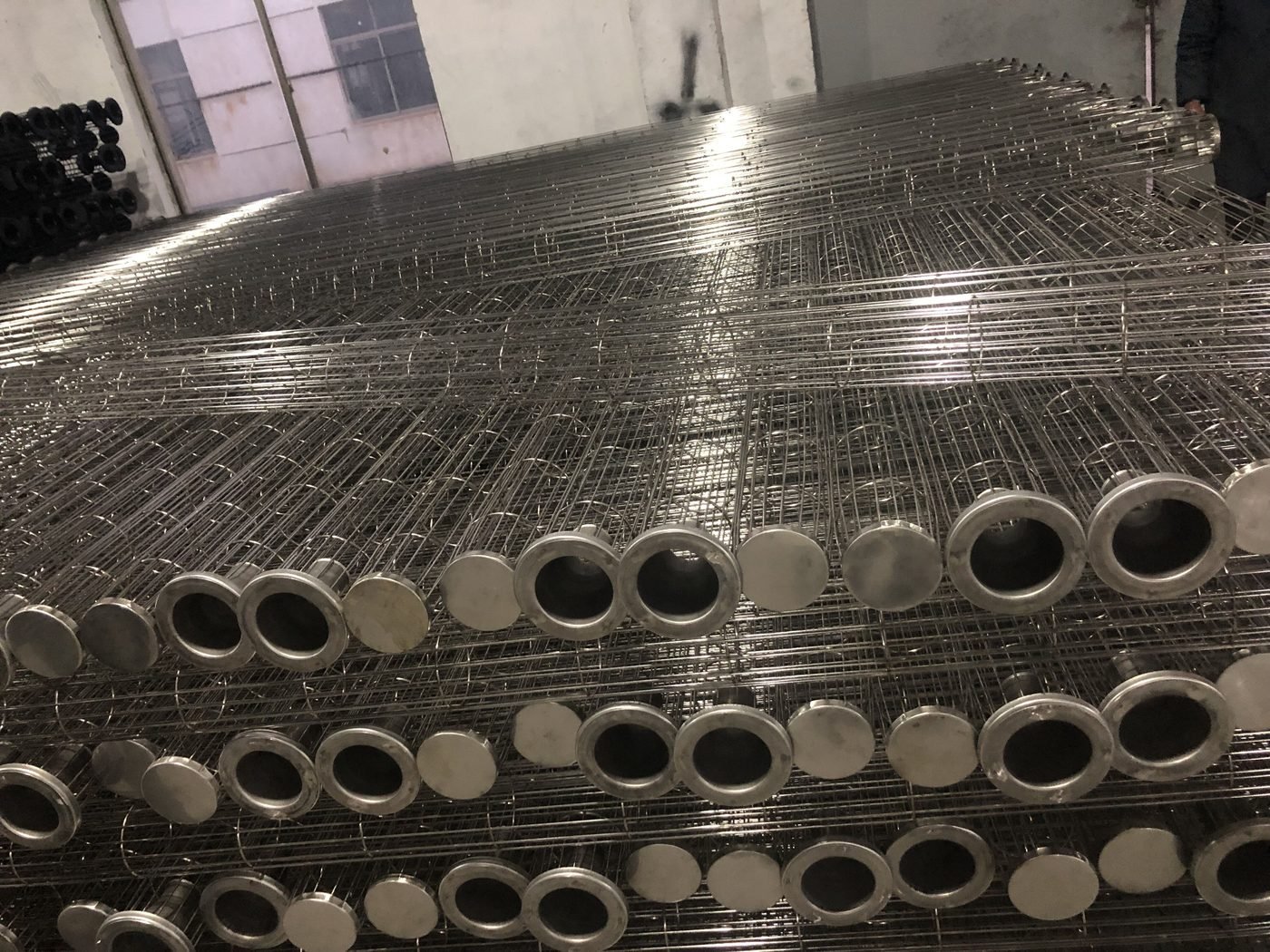
Filter cages are checked as a structural part of the baghouse system, not only as an accessory. Diameter, ring spacing, straightness, weld condition and packing method all affect filter bag fit, abrasion risk and replacement work on site.
Packing before shipment
Cages are grouped and protected by project batch before loading, reducing deformation risk and making installation sorting easier on site.
Welded cage frames
Vertical wires, support rings and bottom construction are reviewed before final surface finish, so rough welds or deformation can be corrected early.
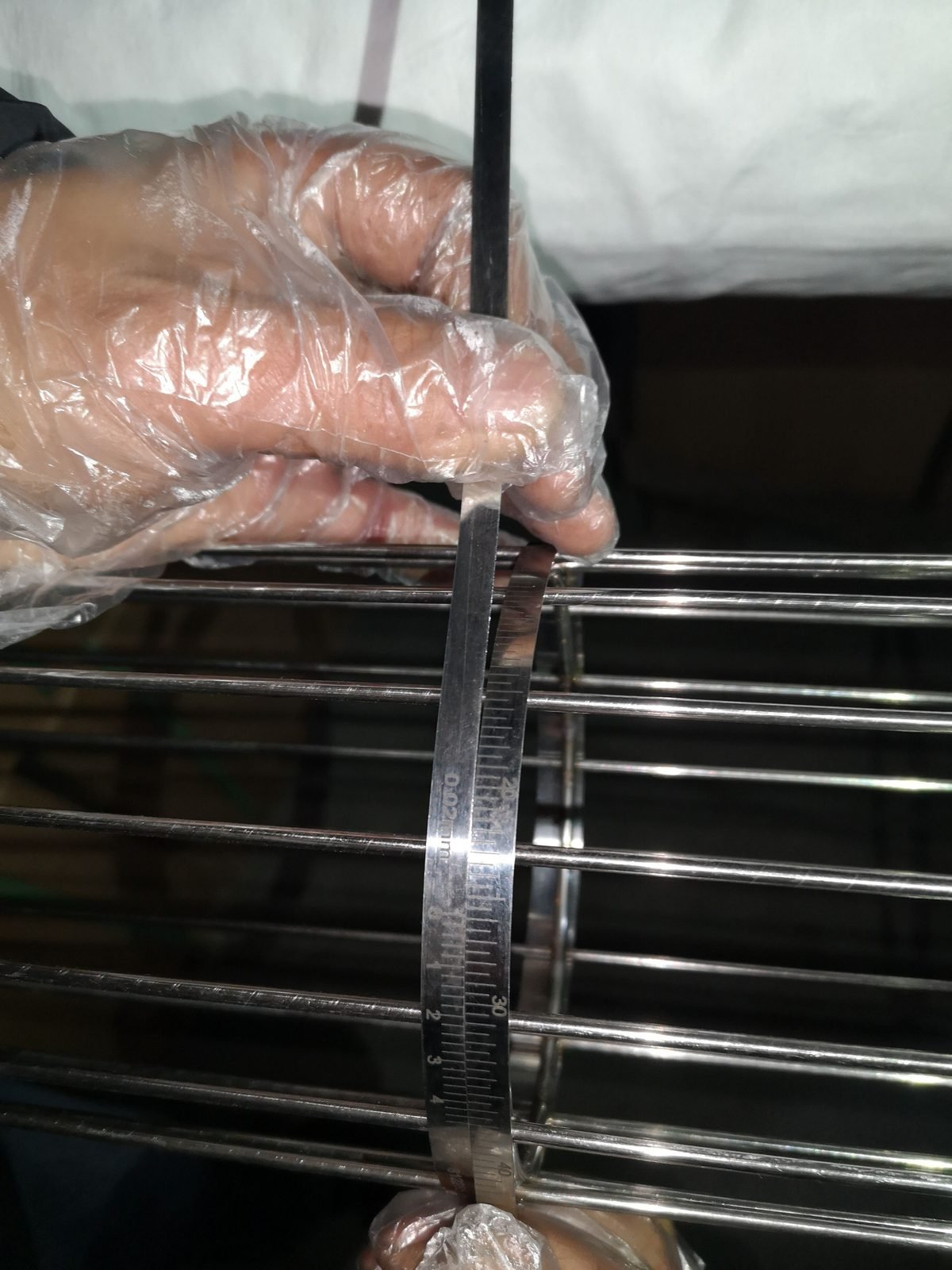
Ring spacing check
Support ring position matters because uneven spacing can concentrate friction on the filter bag and shorten service life during pulse cleaning.
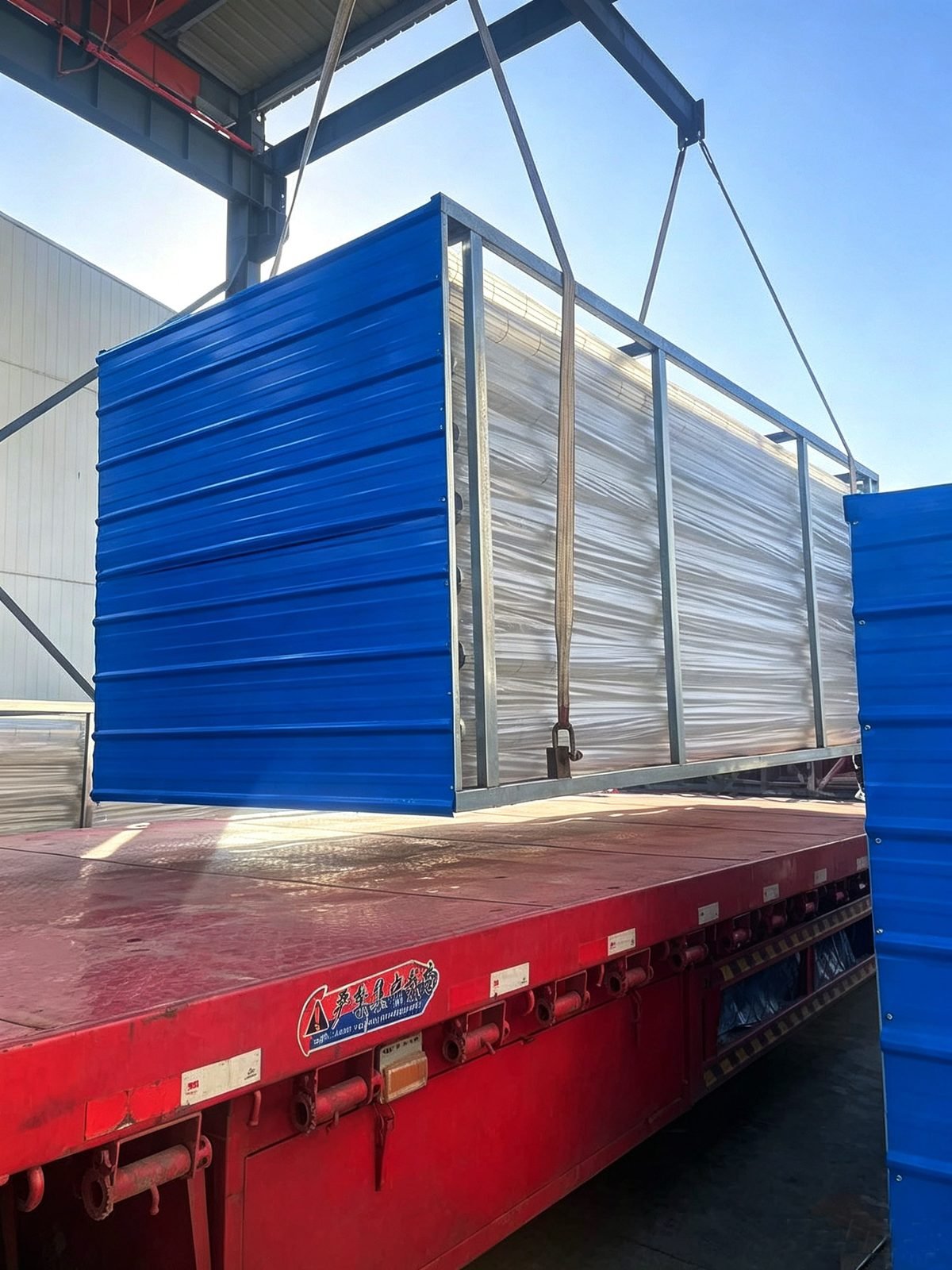
Loading for transport
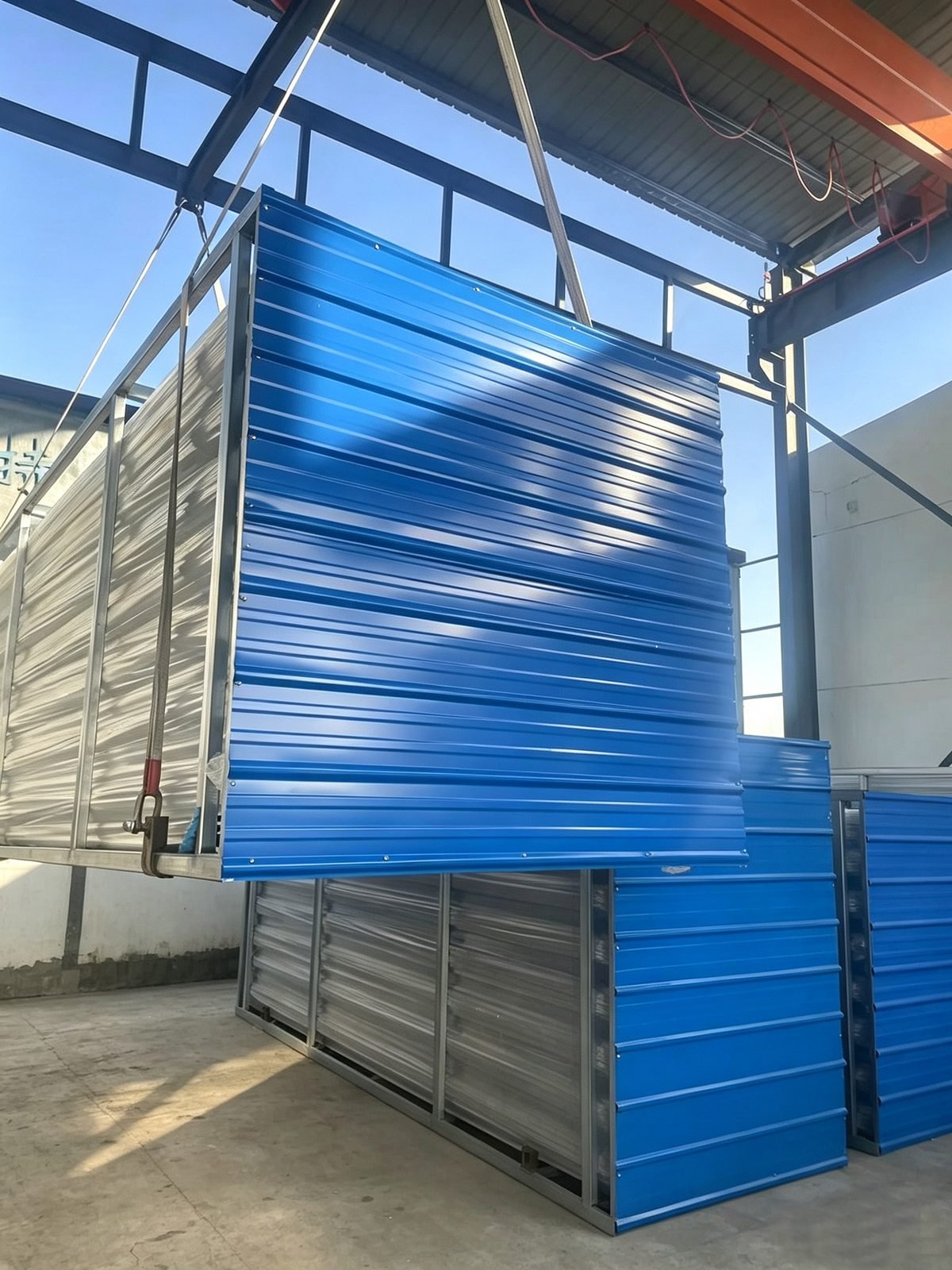
Packed cage modules are lifted and loaded carefully so long frames remain protected during inland transport before export or project delivery.
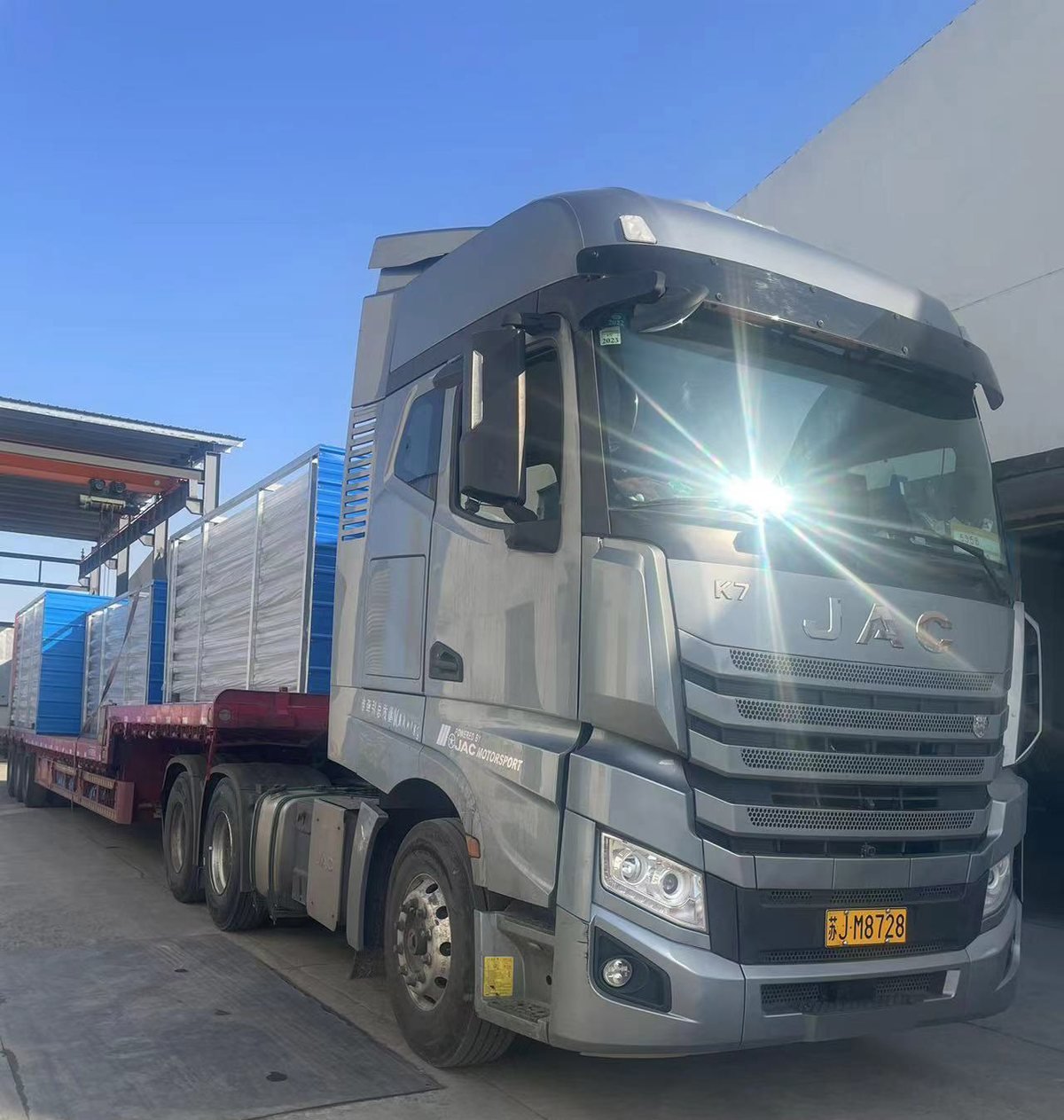
Truck dispatch
Packed cage modules are dispatched by truck after loading, keeping project batches together before container transfer or direct delivery to the job site.
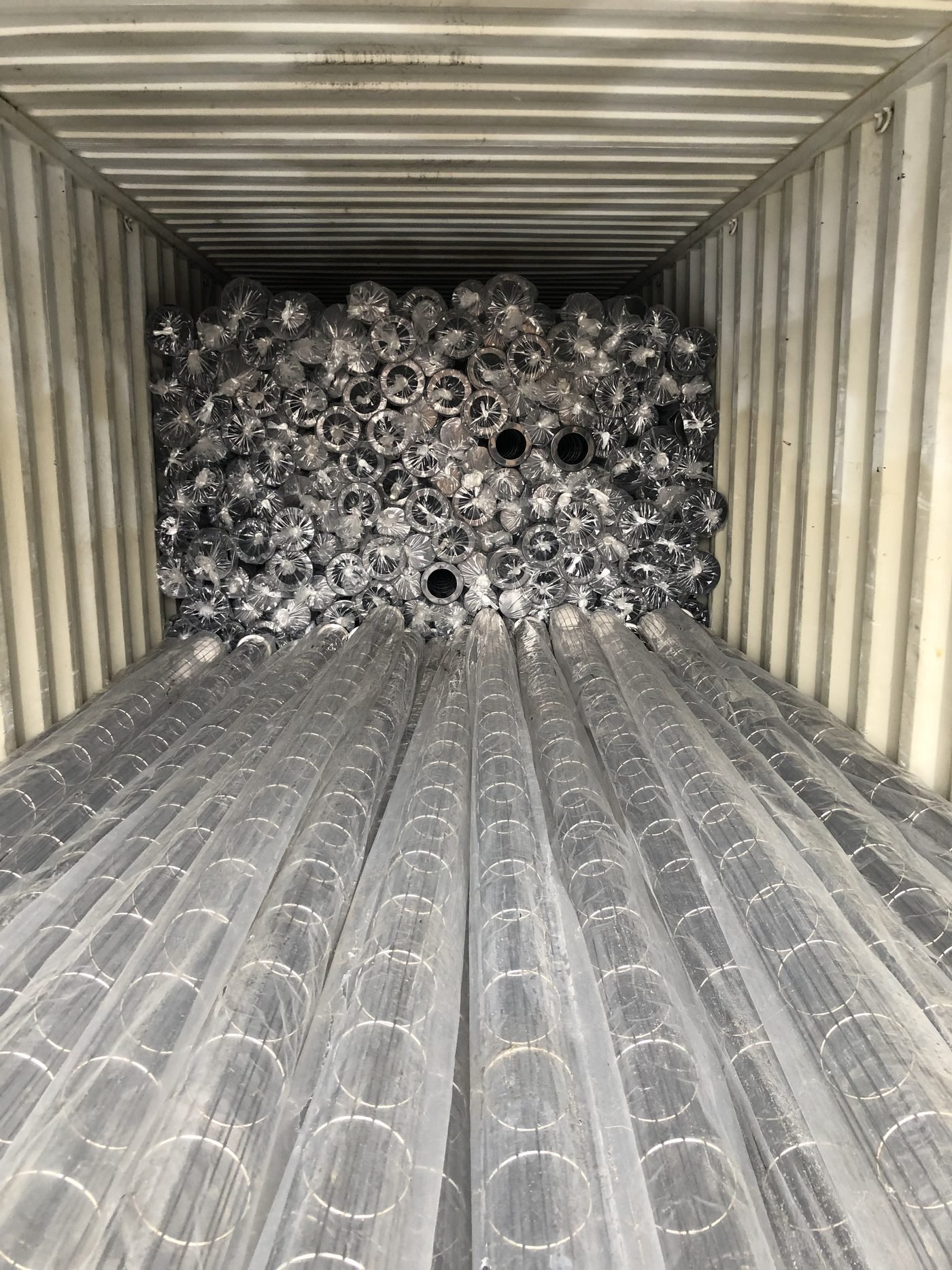
Export packing and loading
Finished cages are protected and loaded for container shipment so long frames arrive with less deformation risk and are easier to match by project batch.
Dimensions needed
Cage RFQ Checklist
| Data | Why it matters |
|---|---|
| Bag diameter and length | Controls cage fit and friction risk. |
| Tube sheet thickness | Affects top fit and sealing. |
| Top style | Venturi, flange, split ring or special connection. |
| Environment | Corrosion level decides galvanized, carbon steel or stainless steel direction. |
Technical selection guide
Filter Cages Specifications, Applications and Selection Notes
Filter cages are the support structure behind baghouse filter bags. A new filter bag can fail early if the cage is bent, rough, corroded or mismatched to the tube sheet and bag top.
| Material options | Carbon steel, galvanized steel, stainless steel 304/316L and surface treatment options. |
|---|---|
| Dimensional data | Diameter, length, wire count, ring spacing, straightness and tolerance. |
| Top/bottom design | Venturi, flange, split ring, bottom cap, one-piece or multi-piece construction. |
| Matching requirement | Cage design should match bag diameter, tube sheet, cleaning method and installation space. |
Where This Filter Cages Is Commonly Used
Pulse-jet baghouses
Cages support bags during filtration and pulse cleaning.
Replacement projects
Old cages should be checked before installing new bags.
Corrosive environments
Stainless steel or surface treatment may be required.
Long cages
Split cage design may help container loading and installation.
Operating Boundaries to Check
- Rough welds or bent wires: Can cut or wear new filter bags.
- Wrong diameter: Creates friction, poor support or installation difficulty.
- Corrosion: May require stainless steel or a different surface finish.
- Wrong venturi/top design: Can affect pulse cleaning and sealing.
Common Failure Causes
- New bags wear quickly: Cage roughness or mismatch may be responsible.
- Poor pulse cleaning: Venturi, ring spacing or cage alignment should be checked.
- Installation difficulty: Diameter, length or split design may be wrong.
- Corrosion marks: Material and coating selection should be reviewed.
Selection Advice from Pinnacle Filter
When quoting filter cages, send cage drawing, bag diameter, cage length, wire/ring layout, tube sheet thickness, top style, venturi requirement and material finish. Pinnacle can match cages with the filter bag order.
Related product pages and next steps
Pinnacle Filter Support
Send Cage Dimensions for a Matching Quote
Send bag diameter, cage length, wire/ring layout, top style, material requirement and photos if available. Pinnacle will help match cages to your filter bags.
Fast RFQ checklist
Buyer Questions
FAQ
Should cages be replaced with bags?
Not always, but cages should be checked. Rough, bent or corroded cages can damage new bags.
Can you make stainless steel cages?
Yes. Carbon steel, galvanized and stainless steel 304/316L options can be reviewed.
Is a filter bag cage the same as a filter cage?
Yes. In industrial baghouses, “filter bag cage” and “bag filter cage” refer to the metal support frame installed inside the filter bag. The final design still needs to match diameter, length, top style and cleaning system.
What details are needed?
Diameter, length, wire count, ring spacing, top style, venturi requirement and material finish.